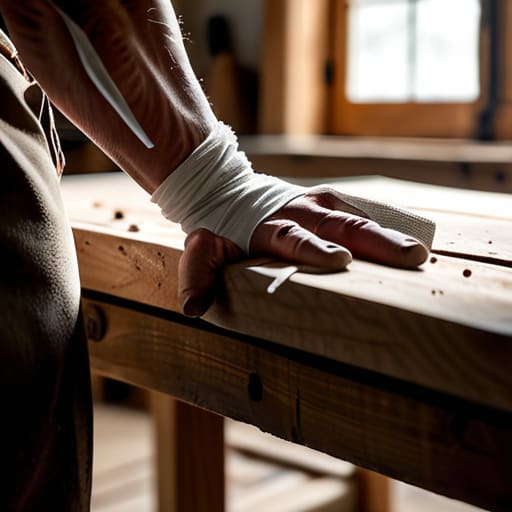
Working With an Injured Hand
There is a specific, sickening sound when a chisel slips—a dull thud against bone that cuts through the hum of the shop more effectively than any alarm. I remember standing over a prototype chair leg last spring, staring at a laceration that was far too deep for a simple Band-Aid, feeling that sudden, hollow rush of adrenaline and the immediate, stupid question: how am I going to finish this piece now? Most safety manuals treat these moments like a sterile checklist of protocols, but they never account for the frantic, sweaty reality of learning how to manage a workshop injury when your hands are shaking and your project is still sitting on the bench.
I’m not here to give you a clinical lecture or a list of OSHA-approved platitudes that feel disconnected from the sawdust. Instead, I want to talk about the practical, messy reality of what happens after the blood hits the floor. I’ll share what I’ve learned from two decades of making things—and breaking them—so you can navigate the immediate aftermath, tend to the damage, and most importantly, figure out how to get back to the workbench without letting the fear dictate your next move.
Understanding How to Manage a Workshop Injury
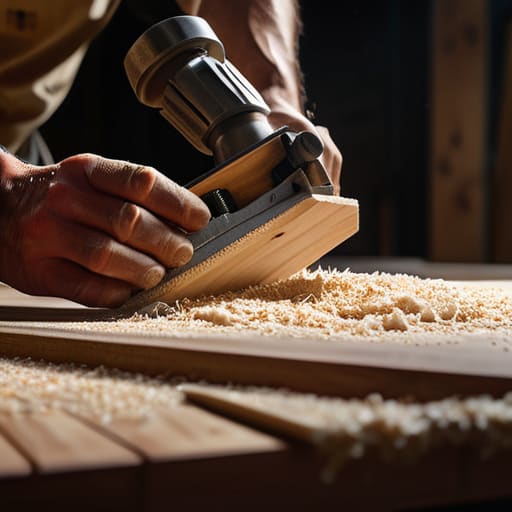
There is a specific, hollow kind of silence that follows the sound of a slip—the moment the machine stops, but your heart hasn’t quite caught up. In my studio, I’ve learned that managing a mishap isn’t just about the physical sting; it’s about the immediate mental pivot from “maker” to “medic.” You have to bypass the instinct to swear or hide the mistake and move straight into emergency first aid for cuts or whatever the situation demands. It’s a jarring transition, moving from the flow of a grain pattern to the clinical reality of a bleeding hand.
I used to think that strict workshop safety protocols were just bureaucratic hurdles designed to slow down my momentum. I was wrong. Now, I see them as the framework that allows us to fail safely. True occupational injury prevention isn’t about eliminating risk—that’s impossible when you’re working with sharp steel and high-speed bits—it’s about having a predictable response when the unpredictable happens. You don’t want to be deciding where the bandages are kept while you’re staring at a puncture wound; you want the response to be as automatic as a well-tuned lathe.
Key Things to Know
I’ve spent two decades surrounded by the smell of sawdust and the hum of machinery, and if there is one thing I’ve learned, it’s that the line between a productive afternoon and a trip to the ER is thinner than a veneer edge. When things go wrong, your brain tends to freeze—it’s a physiological response to the sudden realization that you’ve messed up. The first thing you need to internalize is that managing workplace accidents isn’t about being a hero; it’s about immediate, mechanical triage. You don’t need to be a medic, but you do need to know exactly where your kit is and how to apply emergency first aid for cuts before the adrenaline masks the actual severity of the bleed.
There is also the quiet, lingering reality of what happens after the initial shock wears off. We often focus so much on the moment of impact that we neglect the long-term necessity of occupational injury prevention and the slow grind of recovery. A nicked finger might seem trivial in the heat of a deadline, but ignoring the proper steps for wound care or rushing back into a heavy production cycle can turn a minor setback into a permanent loss of dexterity. Design is a game of precision, and you can’t be precise if you’re fighting a preventable infection.
Practical Tips and Steps
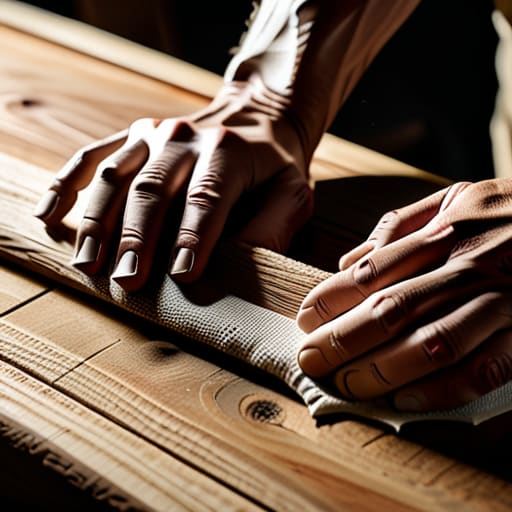
When the adrenaline is still humming in your ears, your first instinct is usually to just wipe the blood on your apron and keep going. Resist that. I’ve spent enough time staring at my own mistakes to know that the real work begins with a pause. If you’ve nicked yourself on a chisel or a rogue piece of sheet metal, you need to move through clear workshop wound care steps before the panic sets in. Clean the area immediately; don’t let sawdust or wood glue become part of the wound. It sounds basic, but in the heat of a deadline, we tend to treat our bodies with less respect than our tools.
Once the immediate bleeding is under control, the focus shifts to the long game. This isn’t just about the sting of the cut, but about preventing a minor slip from becoming a permanent limitation. If the injury is deep, don’t play hero—get professional help. Beyond the immediate fix, I always look back at my workshop safety protocols to see where the friction occurred. Was the guard bypassed? Was the lighting poor? Treating the injury is the priority, but dissecting the cause is how you actually stay in the chair.
Common Mistakes to Avoid
The most dangerous thing you can do in a moment of adrenaline is to assume you’re “fine.” I’ve spent enough years in studios to know that the bravest thing a person can do is admit they’ve messed up. We often fall into the trap of trying to power through a nick or a bruise because we don’t want to break the rhythm of the day. But ignoring a minor laceration is a fast track to a much larger problem; skipping basic emergency first aid for cuts because you’re mid-project is exactly how a small mistake turns into a week of lost productivity.
Another error I see—and one I’ve certainly committed—is the tendency to treat the injury as an isolated event rather than a symptom of a broken process. If you find yourself constantly patching up small wounds, you aren’t just unlucky; you’re likely ignoring your own workshop safety protocols. Don’t just fix the skin and move on. If a tool slipped because the guard was loose or the lighting was dim, the injury isn’t over until the environment is corrected. The fix isn’t just the bandage; it’s the change in how you work.
Final Thoughts
I’ve spent two decades surrounded by the scent of sawdust and the hum of machinery, and if there is one thing my collection of failed prototypes has taught me, it’s that we are all just one slip away from a very different kind of day. We talk a lot about design constraints, but the most visceral constraint is the one imposed by a sudden, sharp mistake. Whether it’s a shallow nick or something requiring more serious emergency first aid for cuts, the moment of impact is always a jarring reminder that our tools don’t care about our deadlines.
Ultimately, the goal isn’t to achieve a state of perfect, sterile safety—that’s an illusion. The goal is to respect the process enough to implement rigorous workshop safety protocols so that when the inevitable happens, you aren’t panicking. I’ve learned that the way you handle the aftermath defines your relationship with your craft. If you treat the recovery and the learning as part of the work itself, rather than an interruption to it, you’ll find that even a setback becomes just another necessary, albeit painful, part of the design process.
The Cost of a Split Second
We spend our lives obsessing over the grain of a piece of walnut or the tension of a joint, but the most visceral design lesson I’ve ever learned didn’t come from a blueprint—it came from the sharp, sudden realization that a moment of bypassed caution leaves a mark far more permanent than any tool ever could.
Jonathan Marin
The Scars We Carry
At the end of the day, managing an injury isn’t just about the immediate triage or knowing which first aid kit to grab; it’s about the discipline of the pause. We’ve talked about the necessity of staying calm, the importance of assessing the damage before rushing back to the lathe, and the common trap of minimizing a wound just to finish a deadline. It is easy to treat a cut or a bruise as a mere interruption to the workflow, but neglecting the small things is exactly how a minor slip becomes a long-term setback. Respecting the injury is, in many ways, the same as respecting the tools: it requires a certain level of unflinching honesty about your own limits and the reality of the physical risks we take every time we step onto the shop floor.
I have a shelf in my studio filled with rejected prototypes—pieces that failed because a joint was too thin or a tension was slightly off. I look at them and see the decisions that didn’t work. Injuries, too, are part of the maker’s record. They are the physical manifestations of a moment where the material or the machine won the argument. But don’t let a mistake define your capability. Use the downtime to reflect on the why behind the accident, adjust your process, and return to the bench with more intention. After all, the most resilient pieces of furniture—and the most seasoned makers—are often the ones that have been tested by pressure and rebuilt to be stronger.
