The Chisel You Reach for Most
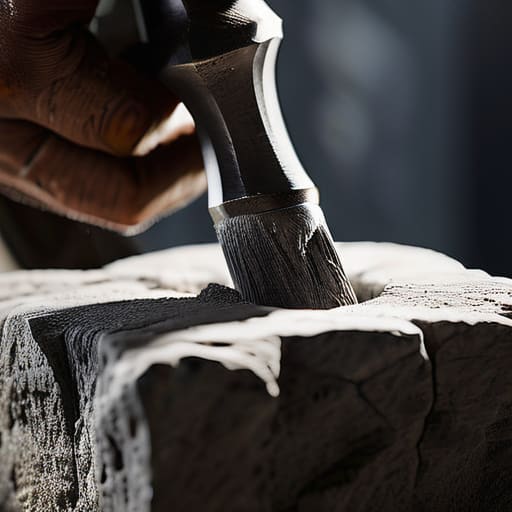
There is a specific, quiet kind of madness in the tool catalogs that promise a transformative experience with a single purchase. They want you to believe that a new, titanium-coated edge or a Japanese steel alloy will somehow bridge the gap between a mediocre joint and a masterpiece. But after twenty years of watching production lines fail and prototypes gather dust in my studio, I know better. Real proficiency isn’t found in the shiny new kit; it’s found in the familiarity of the chisel you keep reaching for, even when it’s nicked, slightly dull, or feels a little too much like an old friend. You don’t choose it because it’s the most advanced piece of engineering in the shop; you choose it because you trust how it will fail you.
I’m not here to sell you on a better way to sharpen or a more expensive brand. What I want to talk about is the weight of habit and the way our most reliable tools dictate the very boundaries of what we are able to design. I want to explore why we gravitate toward certain constraints and how that muscle memory actually shapes the final object. This isn’t about gear; it’s about the unspoken dialogue between your hand and the grain.
The Ghost of the Cut You Didnt Make
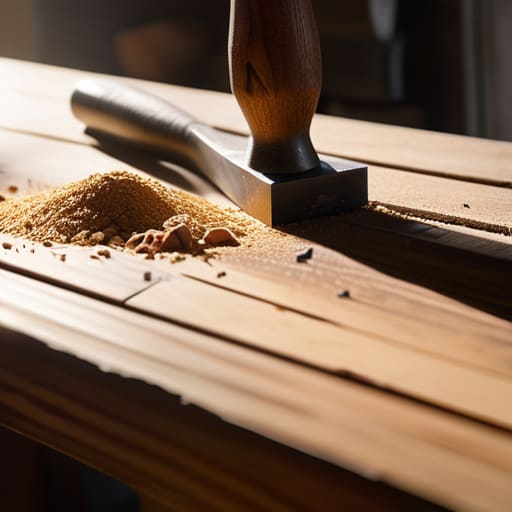
I have a shelf in the back of my studio, tucked behind the rolls of veneer, where the failures live. They aren’t failures of skill, exactly, but failures of intent. There is a mallet-struck joint that sits too loose, and a series of gouges that feel too aggressive. I keep them because they represent the divergence point—the moment a design almost became something else. When I sit down to work, I find myself haunted by these alternative paths. It isn’t just about the physical tool in my hand; it’s about the weight of the possibility that I chose this specific edge over another.
When people ask me about building an essential woodworking workshop kit, they usually want a list of “correct” answers. They want to know the difference between a bench chisel vs mortise chisel so they can feel prepared. But preparation is a bit of a myth. You don’t choose a tool because it is objectively superior; you choose it because you are trying to outrun a specific mistake. You reach for a particular piece of high carbon steel not because it is the “best,” but because you are terrified of the grain behaving in a way you can’t control.
Finding the Soul in the Chisel You Keep Reaching for
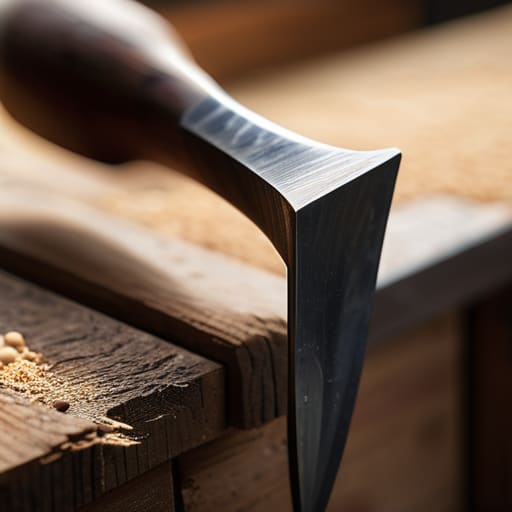
I have a drawer full of high-carbon steel tools that, on paper, are technically superior to the one currently sitting on my workbench. There are the heavy-duty options, the kind of specialized gear you see in every curated list of the best woodworking chisels for beginners, and they have their place. But they aren’t the ones I grab when the light starts to fail and the task gets difficult. There is a specific, worn-down instrument that has become an extension of my own grip, a tool that has been shaped as much by my own mistakes as by the factory that forged it.
It isn’t about the perfection of the edge, though I spend a disproportionate amount of my time maintaining sharp carving tools to keep the frustration at bay. It’s about the familiarity of the weight. When you are deep in a joinery session, you aren’t thinking about the metallurgical difference between high carbon steel vs tool steel; you are looking for a sense of certainty. You reach for that specific handle because it knows the rhythm of your hand, providing a silent reassurance that the next movement will be the right one.
High Carbon Steel vs Tool Steel the Weight of Choice
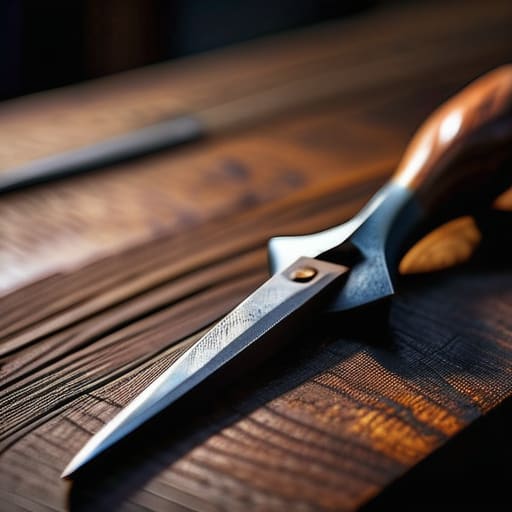
I have a drawer full of steel that serves as a graveyard for my own indecision. In my early years, I thought the debate of high carbon steel vs tool steel was a matter of objective superiority, a way to “solve” the problem of the edge. But after twenty years of watching metal behave under pressure, I’ve realized it’s actually a question of temperament. High carbon is temperamental; it’s a high-strung performer that holds a razor’s edge until it simply refuses to cooperate, demanding a level of devotion to maintaining sharp carving tools that most people find exhausting.
Then there is the tool steel—the reliable, heavy-duty workhorse. It doesn’t have the same poetic, fleeting sharpness, but it possesses a certain stubbornness that mirrors my own. When I’m deciding between a delicate paring task and a heavy mallet strike, the choice isn’t about which metal is “better” in a vacuum. It’s about whether I want a tool that requires me to be perfect, or a tool that allows me to be human. You don’t choose the steel for the cut; you choose it for the relationship you’re prepared to maintain.
The Brutal Truth About the Best Woodworking Chisels for Beginners
The marketing machine wants you to believe that an essential woodworking workshop kit is a collection of shiny, high-end instruments that will somehow bridge the gap between your lack of skill and a finished masterpiece. It’s a lie. Most beginners fall into the trap of buying a twelve-piece set of mediocre steel because it looks complete on a shelf. But in my studio, completeness is a distraction. You don’t need a dozen mediocre tools; you need three that you actually understand.
If you are hunting for the best woodworking chisels for beginners, stop looking at the quantity of the set and start looking at the integrity of the edge. You will likely find yourself caught in the debate of bench chisel vs mortise chisel, wondering which one defines your “real” work. The truth is, the distinction matters less than your ability to respect the metal. A cheap chisel isn’t just a bad tool; it’s a barrier to learning how wood actually behaves under pressure. You aren’t just buying steel; you are buying the ability to make a mistake and actually feel it happen.
Bench Chisel vs Mortise Chisel the Divergent Paths
In my studio, the distinction between a bench chisel and a mortise chisel isn’t just about geometry; it’s about how you intend to fight the material. I have a drawer full of thin-walled bench chisels that I treat with a certain delicate reverence. They are built for the paring work—the surgical, almost meditative removal of shavings where the goal is a surface so smooth it feels like silk. But when I’m deep into a heavy joinery project, those elegant tools feel like toothpicks. That is when the mortise chisel enters the conversation. It is a blunt, heavy instrument designed to take a beating, built to withstand the literal impact of a mallet without buckling.
Choosing between them is a lesson in understanding the physicality of intent. If you are putting together an essential woodworking workshop kit, you might be tempted to buy a dozen versatile middle-ground tools, but that’s a mistake. You eventually learn that you don’t want a tool that tries to do everything; you want the one that does one thing with absolute, uncompromising authority. It’s the difference between a scalpel and a wedge, and knowing which one to grab is what keeps the project from becoming a struggle against your own equipment.
Maintaining Sharp Carving Tools Honing the Final Decision
There is a specific, quiet anxiety that sets in when a tool starts to feel “draggy.” It isn’t a sudden failure, but a subtle loss of confidence. You find yourself leaning into the cut, compensating for a dull edge with sheer physical force, and that is exactly when the wood begins to tear rather than part. I have a drawer full of failed joints that exist solely because I was too stubborn to stop and hone. Maintaining sharp carving tools isn’t about achieving a mirror finish for the sake of vanity; it is about preserving the integrity of the decision you made when you first set the blade to the grain.
When you are building your essential woodworking workshop kit, you eventually realize that the sharpening stone is just as much a part of the tool as the steel itself. Whether you are working with a heavy mortise chisel or a delicate paring blade, the ritual of honing is where the design actually settles. You aren’t just sharpening metal; you are reclaiming the precision you thought you had lost. It is a repetitive, meditative process that forces you to confront the reality of your work: a tool is only as good as the care you give it when no one is watching.
Curating an Essential Woodworking Workshop Kit With Intent
I have a shelf in my studio dedicated entirely to the things that failed. It’s a graveyard of joinery that didn’t quite seat and handles that felt wrong in the hand. Most people see a mistake and want to sweep it into the bin, but I see a map. When you are building your essential woodworking workshop kit, you shouldn’t be looking for a complete set of twenty identical tools. That’s just consumerism disguised as preparation. Instead, you should be looking for the gaps. You need a kit that acknowledges the tension between what you can do and what you want to do.
A truly intentional collection isn’t about abundance; it’s about the specific utility of your constraints. If you spend your days refining delicate details, your focus might lean toward a few highly specialized blades. If you are tackling heavy joinery, the debate of bench chisel vs mortise chisel becomes your daily reality. I’ve learned that the most effective kit is one that feels like an extension of your own hesitation. You don’t buy tools to be prepared for every possibility; you buy them to narrow your focus until the only thing left to do is the work itself.
The Weight of Habit
We like to tell ourselves that our choice of tool is a matter of technical superiority or ergonomic precision, but that’s a lie we tell to make the craft feel more scientific. In reality, you reach for that specific chisel because it carries the memory of every mistake you’ve ever made and every small victory that followed. You aren’t just choosing steel; you’re choosing the specific way you want to negotiate with the grain.
Jonathan Marin
The Weight of the Final Cut
At the end of the day, whether you are debating the edge retention of high carbon steel or deciding if a mortise chisel is worth the extra space on your bench, you aren’t just collecting hardware. You are building a vocabulary of physical responses. We have looked at the technical split between bench and mortise tools, the necessity of a rigorous honing routine, and the trap of thinking a beginner needs a complete kit to be legitimate. But the real takeaway isn’t about the specs on a catalog; it is about recognizing that your tools are the physical manifestation of your design constraints. Every piece of steel you own represents a choice you made to favor one specific kind of error over another.
I often look at the pile of rejected prototypes in the corner of my studio—the ones with the wrong joinery or the slightly off-kilter proportions—and I realize they weren’t failures. They were just the paths not taken. Your favorite chisel, the one your hand finds even when your eyes are tired, is more than a tool; it is your most reliable collaborator in the act of narrowing down the world. Don’t aim for a perfect collection that covers every possibility. Aim for the tools that help you commit. Because in the end, the beauty of the work isn’t found in the perfection of the stroke, but in the courage of the decision that stayed the course.
