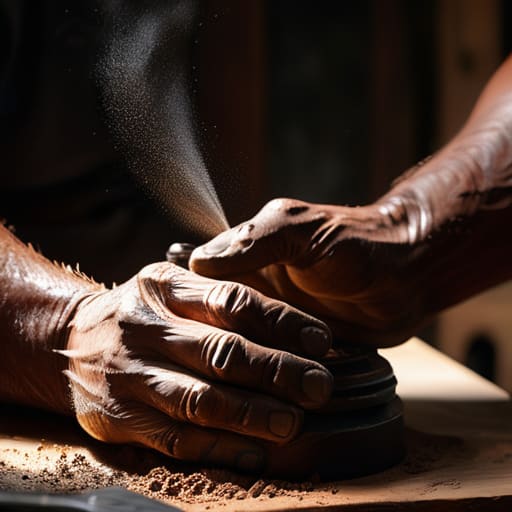
The Last Coat in a Cold Shop
The smell of linseed oil usually feels like progress, but last Tuesday, it just smelled like a mistake. I was standing there, my knuckles aching from the draft, staring at a slab of walnut that refused to take the oil the way it was supposed to. There is this pervasive, polished myth in design circles that you need a climate-controlled laboratory to achieve a professional result, as if a drop in temperature magically erases twenty years of craft. But the reality of finishing a piece in a cold workshop isn’t about buying a space heater; it’s about understanding how the molecular behavior of your materials shifts when the air turns sharp.
I’m not here to sell you on expensive humidity regulators or high-tech additives that promise the moon. Instead, I want to talk about the friction—the actual, tactile adjustments you have to make when the environment stops cooperating. I’ll share the specific, slightly unglamorous shifts in timing and application that saved my last three projects from looking like a cloudy mess. We’ll focus on the decisions that actually matter, moving past the theory to the hard-won realities of working when the mercury drops.
The Ghost of the Mistake Finishing a Piece in a Cold Workshop
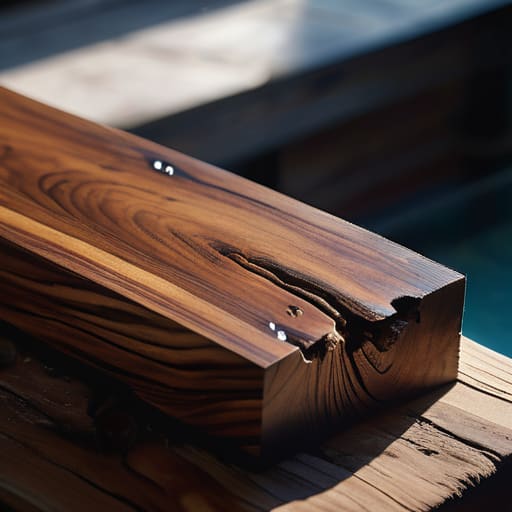
I have a shelf in the back of my studio dedicated to these moments—the pieces that almost died because I misread the room. Last winter, I was working on a walnut sideboard when the temperature plummeted, and I made the amateur mistake of pushing through without adjusting my approach. I watched, paralyzed, as the oil refused to penetrate the grain, sitting instead in a thick, stubborn pool on the surface. The viscosity of wood oils in cold conditions is a fickle thing; they don’t just slow down, they change their entire character, becoming more like a sludge than a penetrative liquid.
I spent three hours fighting to prevent oil finish cloudiness, scrubbing at a surface that looked more like a crime scene than a piece of fine furniture. It’s a quiet, lonely kind of frustration when you realize you’ve ignored the physics of your own workspace. I eventually realized that no amount of elbow grease could compensate for the lack of heat. I had to stop, wait for the shop to stabilize, and accept that patience is a technical requirement, not just a virtue.
The Viscosity of Wood Oils in Cold a Dangerous Thin Line

There is a specific, unsettling moment when you pour an oil finish into a bowl in a room that’s hovering just above freezing. You watch the liquid hit the grain, expecting that familiar, hungry soak, but instead, it sits there—sluggish and unyielding. This is the problem with the viscosity of wood oils in cold environments; the liquid loses its life. It stops behaving like a penetrating treatment and starts acting like a heavy, stubborn sludge. I remember a walnut sideboard I worked on last February where the oil refused to move, sitting on the surface in thick, uneven pools that looked more like spilled syrup than a professional application.
If you don’t catch it early, you end up fighting a losing battle against preventing oil finish cloudiness. When the oil is too thick to penetrate the fibers, it stays trapped in the pores, unable to level out before the surface begins to tack up. You end up with a finish that looks smeared rather than seamless. I’ve learned the hard way that you can’t just “work harder” through the resistance; you have to respect the chemistry. Sometimes, the only way forward is to stop, wait, or find a way to gently coax some warmth back into the wood itself.
Preventing Oil Finish Cloudiness the Choice That Almost Ruined Everything
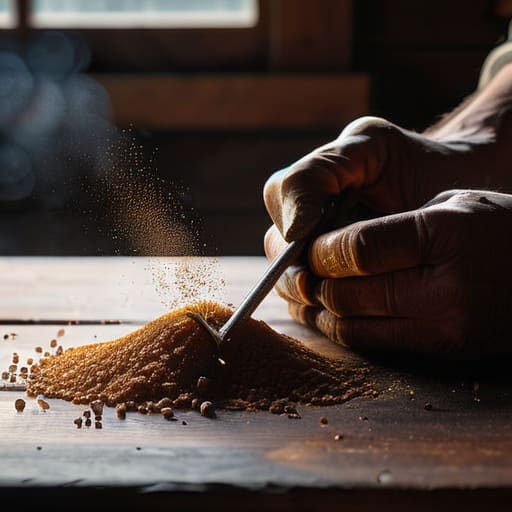
I remember a dining table from three years ago—a walnut beast that I’d spent weeks perfecting—that nearly ended up in the scrap pile because I was too impatient. I was trying to push through a particularly brutal November, convinced that a little extra application would compensate for the sluggishness of the oil. Instead, I ended up with a milky, uneven haze trapped beneath the surface. I was so focused on the grain that I completely ignored the curing process in low humidity, forgetting that oil doesn’t just sit there; it needs to breathe and react.
The mistake was thinking I could fight the physics of the room. When the air is that dry and the floor is cold, the oil doesn’t penetrate; it just sits, waiting for a chemical reaction that the environment won’t allow. I spent the next forty-eight hours frantically trying to buff out a ghost that wouldn’t leave. Now, my rule is simple: if the ambient temperature drops below a certain threshold, I don’t even open the tin. Preventing oil finish cloudiness isn’t about more labor; it’s about having the discipline to wait for the right conditions.
The Curing Process in Low Humidity Waiting for the Right Moment
There is a specific kind of anxiety that comes with watching a finish sit in a room that feels more like a meat locker than a studio. I spent three days hovering near the workbench last Tuesday, half-expecting the surface to remain tacky indefinitely. When the air is this dry, the curing process in low humidity behaves unpredictably; the moisture evaporates far too quickly, often leaving the surface feeling brittle rather than seasoned. I found myself tempted to crank the space heater to a ridiculous degree, but I know from a decade of mistakes that artificial heat is a blunt instrument that usually does more harm than good.
Instead, I’ve learned to respect the slow crawl of time. You can’t rush the chemical bond, no matter how much the deadline looms. I sat there, watching the grain settle, realizing that the decision to refrain from intervening was the hardest part of the job. It’s a test of patience that most designers aren’t prepared for. If you try to force the pace with aggressive workshop heating for woodworking, you risk uneven evaporation that can undo all your hard work. Sometimes, the best design move is simply to walk away and let the wood breathe.
Workshop Heating for Woodworking When to Fight the Temperature
I spent a good portion of my twenties believing that a workshop was a place to endure, a space where you fought the elements to prove your mettle. But after two decades of watching expensive hardwoods develop surface defects because I was too stubborn to turn on the heater, I’ve learned that there is a fine line between grit and stupidity. When it comes to workshop heating for woodworking, the temptation is always to let the space stay raw, but the chemistry of the finish doesn’t care about your philosophy.
If the air is biting, you aren’t just fighting your own comfort; you are fighting the physics of the oil itself. I’ve learned that trying to force a finish to set in a freezing room is a losing game. You can’t just blast a space heater at a single table and expect the viscosity of wood oils in cold to stabilize. You need a slow, even warmth that settles into the grain. If you don’t manage the ambient temperature, you aren’t designing furniture; you’re just presiding over a very expensive collection of cloudy, half-cured mistakes.
Managing Wood Finish Drying Time Temperature the Hardest Decision
There is a specific kind of anxiety that sets in when you’re staring at a clock, waiting for a surface to tack up, while the thermometer sits stubbornly at ten degrees Celsius. You start to second-guess the chemistry. I spent three hours last Tuesday hovering near the workbench, caught in the tension between wanting to move to the next stage and the terrifying realization that the wood finish drying time temperature was simply not on my side. If you rush the buffing because you’re impatient, you end up with a gummy, smeared mess that no amount of solvent can fix.
I found myself debating whether to crank the space heater or just let the piece sit in the dark. It’s a delicate balance; too much heat too fast can cause the wood to shrink unevenly, but too little means the oil stays trapped in a semi-liquid state for days. I eventually decided to embrace the slow burn, opting for a steady, low-level warmth rather than a sudden blast. It’s a lesson in restraint—learning that sometimes the most professional thing you can do is nothing at all.
Ambient Temperature Woodworking Tips Finding the Perfect Balance
I’ve spent enough years in this trade to know that a thermometer is just as important a tool as a chisel, though we rarely treat it with the same respect. When I’m navigating ambient temperature woodworking tips, I’ve learned that the goal isn’t to fight the environment into submission, but to find a rhythm that works with it. It’s a delicate dance between the thermal mass of the timber and the air around it. If you heat the room too aggressively, you risk pulling moisture out of the wood too fast; if you stay too low, you’re just fighting the physics of the oil.
I tend to settle for a middle ground—a steady, lukewarm consistency rather than a sudden blast of heat. I’ve found that gradual acclimation is far more reliable than any quick-fix heater. It’s about managing the delta between the wood’s internal temperature and the surface application. If you can keep the workshop at a stable, predictable level, you stop guessing and start designing again. It’s less about the brute force of workshop heating for woodworking and more about the quiet, disciplined patience of maintaining a controlled environment.
The Cost of Impatience
In a cold shop, the wood doesn’t just take longer to dry; it demands a different kind of patience, a quiet surrender to the physics of the room. I’ve spent many a night staring at a dull, tacky surface, fighting the urge to sand it down and start over, only to realize that the mistake wasn’t the temperature—it was my refusal to let the material breathe at its own pace.
Jonathan Marin
The Final Grain
Looking back at the last few weeks, it’s clear that finishing in a cold workshop isn’t just about managing oil viscosity or fighting the humidity; it’s a constant negotiation with the environment. I’ve had to monitor the ambient temperature like a hawk, adjusting my expectations for drying times and being incredibly disciplined about when to apply a second coat. It’s easy to get frustrated when the cure time doubles or the oil refuses to flow, but the lesson is always in the restraint. If you try to rush a finish when the air is too thin and the workshop is too cold, you aren’t just wasting material—you’re compromising the very integrity of the piece.
Ultimately, I’ve realized that these technical hurdles don’t detract from the work; they define it. My shelf of rejected prototypes is full of pieces that failed because I tried to outsmart the weather instead of working within its constraints. There is a quiet, almost meditative satisfaction in waiting for the right moment, even when that moment feels agonizingly slow. Design is often taught as a pursuit of perfection, but in the reality of the studio, it is more about navigating the friction between your intent and the physical world. The cold doesn’t have to be an obstacle; it can be the very thing that forces you to be a more considered maker.
