
Telling a Client How to Look After It
I was staring at a stack of rejected walnut veneer samples last Tuesday—each one marked with a Sharpie note about a failed grain match—when I realized how much we overcomplicate the aftermath of a finished piece. Most people think that learning how to write a care guide for a client is about drafting a legalistic disclaimer or a sterile list of “dos and don’ts” to protect your liability. They treat it like a corporate chore, a dry piece of fine print that no one reads until something goes wrong. But if you approach it that way, you’ve already missed the point; you aren’t just delivering instructions, you are extending the life of your intent.
I’m not interested in giving you a template filled with generic, polished jargon that sounds like it was written by a committee. Instead, I want to talk about the friction between a beautiful object and the messy reality of a human home. I’ll show you how to build a guide that feels like a continuation of the design process, focusing on the specific, tactile truths of the materials you’ve chosen. We’re going to strip away the fluff and focus on the decisions that actually matter when the dust starts to settle.
The Pivot Point How to Write a Care Guide for a Client

I used to think a care guide was just a courtesy—a bit of fine print tucked into the bottom of a shipping crate. But after two decades of watching beautiful walnut finishes succumb to improper cleaning or seeing structural integrity fail because someone used the wrong wax, I’ve realized that these documents are actually a form of preventative design. When I’m drafting product longevity instructions, I’m not just listing chemicals to avoid; I’m trying to bridge the gap between the studio and the living room. It is the moment where the designer’s intent meets the user’s reality.
The real difficulty lies in the tone. If you’re too clinical, you sound like a legal department; if you’re too casual, the client might ignore the warning about sunlight exposure. I’ve spent hours tweaking my aftercare instruction templates, moving away from the dry, bulleted lists that feel like a chore. Instead, I try to write them as a continuation of the object’s story. You aren’t just maintaining a piece of furniture; you are stewarding a material that has its own temperament and history.
Defining Longevity Choosing the Instructions That Save the Object

I spent three weeks last autumn debating whether to recommend a specific beeswax for a walnut sideboard. The instinct was to suggest the most premium, heavy-duty stuff on the market, but I realized that was a mistake. If the instructions are too demanding, the owner won’t follow them; if they are too vague, the wood will dry out and crack. This is the tension in managing client expectations through documentation. You aren’t just providing a list of chores; you are teaching them how to live with the material.
I’ve learned that effective product longevity instructions shouldn’t feel like a warning label on a piece of heavy machinery. They should feel like a shared understanding between the maker and the keeper. I often find myself looking back at my old sketches, seeing where I almost chose the “easy” path of generic advice, only to realize that the specific, slightly inconvenient truth is what actually preserves the piece. It’s about moving away from sterile, one-size-fits-all aftercare instruction templates and toward something that acknowledges the specific soul of the object.
The Near Miss of Customer Service Documentation Best Practices
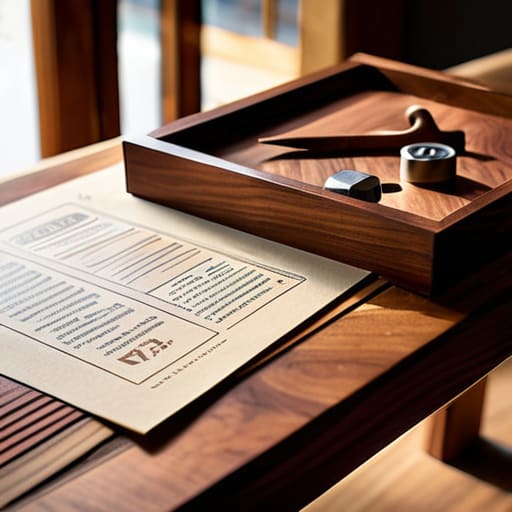
I spent most of last Tuesday staring at a stack of aftercare instruction templates, feeling that familiar, dull ache of administrative dread. There is a temptation, when you are deep in the weeds of production, to treat these documents as a mere checkbox—a legalistic necessity to satisfy a contract. I almost fell into that trap, drafting a sterile, bulleted list that read more like a warning label on a chemical drum than a guide for a piece of hand-finished walnut. But a care guide isn’t just a way to deflect blame; it is a vital part of managing client expectations through documentation.
If the instructions are too clinical, the client feels distanced from the object. If they are too vague, the object dies prematurely under a layer of improper wax or a misplaced coaster. I realized that the real value lies in the nuance—the near-miss between being an instructor and being a steward. By treating these documents as an extension of the design itself, rather than an afterthought, we transform a simple list of rules into a bridge that connects the maker’s intent to the user’s daily life.
Refining Client Onboarding Materials Through Decisive Clarity
I remember a walnut sideboard I finished back in ’08. I spent months obsessing over the joinery, only to realize I’d handed it over with a generic, printed sheet that felt like an afterthought. It was a failure of intent. When you are developing client onboarding materials, you aren’t just handing over a manual; you are setting the terms of the relationship. If the instructions feel flimsy, the client will treat the object as if it were disposable.
The tension in this process lies in the balance between being helpful and being overbearing. I used to lean toward these exhaustive, terrifyingly long lists—the kind that make a person afraid to even touch their own furniture. But true clarity comes from knowing what to leave out. By integrating professional maintenance checklists into the initial handover, you transform the documentation from a chore into a ritual of stewardship. It isn’t about policing their behavior; it’s about managing client expectations through documentation so that the object survives the transition from my studio to their living room.
The Weight of Expectation Managing Client Expectations Through Documentatio
I have a drawer in my studio filled with walnut scraps and failed joinery, each piece a physical record of a choice I didn’t make. Documentation serves a similar purpose, though it’s less tactile. When I’m drafting managing client expectations through documentation, I’m essentially trying to preempt the moment a client realizes that a hand-rubbed oil finish isn’t a suit of armor. There is a specific tension between the romance of a bespoke object and the reality of its maintenance. If I am too vague, I am selling a fantasy; if I am too clinical, I kill the magic of the piece.
The goal isn’t just to provide a list of “dos and don’ts,” but to frame the object’s life within a set of realistic boundaries. I often find myself wrestling with professional maintenance checklists, wondering if they feel too much like a chore list for a machine rather than a ritual for a piece of art. But that’s the trade-off. By being explicit about the vulnerabilities of the material, I’m actually inviting the client into a partnership. We aren’t just delivering a product; we are establishing the terms of its survival.
Beyond Templates the Risk of Generic Aftercare Instruction Templates
I have a shelf in the back of my studio filled with what I call “the ghosts”—prototypes that failed because a joint was too ambitious or a timber was too temperamental. Most people see a finished chair and think of the wood; I see the three different ways I almost ruined it. It’s the same with documentation. When I see a designer rely on those sterile, pre-packaged aftercare instruction templates, I feel a familiar sense of dread. These templates are designed to cover everything and nothing at once. They are safe, which is exactly why they are useless. They lack the specific, granular truth of the object, offering a generic safety net that fails the moment a real-world variable—like a spilled glass of red wine or a humid afternoon—intervenes.
Using a one-size-fits-all approach isn’t just lazy; it’s a failure of craft. If I’ve spent six months perfecting the patina of a hand-rubbed oil finish, handing the client a generic sheet of professional maintenance checklists feels like an apology for my own work. You aren’t just providing information; you are teaching them how to live with the piece. When we default to the template, we lose the chance to build that vital bridge between the maker’s intent and the user’s reality.
Precision in the Details Professional Maintenance Checklists That Matter
I have a shelf in the back of my studio dedicated to the “almosts”—the chair legs that were too thin, the joinery that felt too aggressive. Most people see a finished piece of furniture as a static thing, but I see it as a series of ongoing negotiations between the material and the environment. This is why professional maintenance checklists shouldn’t feel like a chore or a legal disclaimer; they should feel like a continuation of the design process itself. If I tell a client to check the tension on a leather sling every six months, I’m not just giving them a task; I’m teaching them how to inhabit the object.
The mistake I see most often in standard aftercare instruction templates is that they lack a sense of rhythm. They offer a list of “don’ts” rather than a cadence of care. A truly effective guide moves beyond simple warnings and instead provides a roadmap for preservation. When we move away from generic lists and toward specific, actionable intervals, we aren’t just providing information—we are actively ensuring the object’s survival long after it leaves our workshop.
The Ghost in the Manual
A care guide shouldn’t feel like a legal disclaimer meant to shield you from a lawsuit; it should feel like the final, quiet conversation between the maker and the owner, where we admit that even the best joinery is at the mercy of the person living with it.
Jonathan Marin
The Final Grain
At the end of the day, a care guide isn’t just a technical addendum or a defensive shield against liability; it is the final stage of the design process itself. We have moved from the broad strokes of defining longevity to the granular precision of maintenance checklists, and finally, to the rejection of the generic template. To write a truly effective guide, you have to embrace the friction of specificity. You must decide whether to offer a vague suggestion or a precise, perhaps even difficult, instruction that ensures the piece survives the reality of a lived-in home. It is in these small, decisive choices—the ones that almost felt too pedantic to include—where the integrity of the object is actually secured.
I often look at the stack of rejected prototypes in the corner of my studio, each one a ghost of a decision I didn’t make. A care guide is much the same; it is the documentation of the path we chose to avoid decay. Don’t view this task as administrative clutter. View it as the final act of stewardship. When you hand a client a piece of furniture, you aren’t just handing them a physical object; you are handing them a relationship with a material. If you write that guide with enough intentionality, you aren’t just giving them instructions—you are teaching them how to respect the work.
