
A Piece Damaged After Delivery
I remember the smell of scorched walnut—that sharp, acrid scent that tells you a router bit has stayed in one place a second too long. I was twenty-four, working on a commission that was supposed to be my “breakout” piece, and I had just gouged a jagged, ugly canyon right through the center of a tabletop. My instinct was to panic, to hide the mistake under a thick, suffocating layer of filler, or worse, to scrap the whole thing and pretend it never happened. We’re often taught that perfection is the only metric of success, but I’ve learned that knowing how to handle a damaged piece is actually more important than avoiding the damage in the first place.
I’m not here to give you a sanitized, step-by-step manual filled with expensive resins and “magic” fixes that just mask the truth. Instead, I want to talk about the integrity of the repair. I’ll share what I’ve learned from two decades of seeing both beautiful successes and spectacular failures, focusing on how to decide if a flaw is a catastrophe or a pivot point for better design. We’re going to look at how to work with the grain of the mistake, rather than fighting against it.
The Beautiful Fracture How to Handle a Damaged Piece
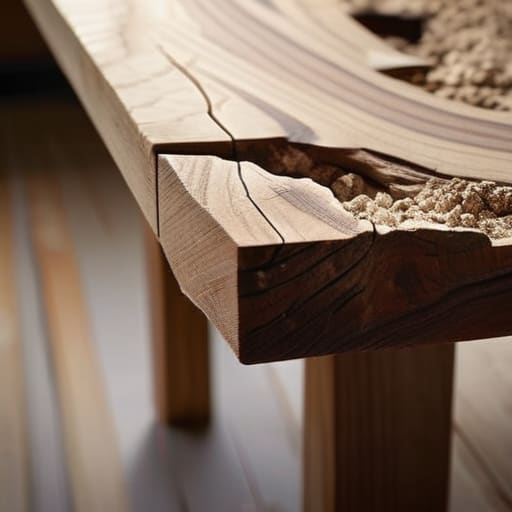
I have a shelf in the back of my studio dedicated to these moments. It’s filled with bent walnut legs and splintered oak veneers—the ghosts of decisions that failed. When something breaks, the instinct is to panic, to immediately start a frantic claims process for broken items or hide the flaw under a layer of filler. But there is a specific kind of stillness required here. Before you reach for the wood glue, you need a moment of honest damage assessment. Is the break a structural failure, or is it merely a surface wound?
The real tension lies in the choice between restoration vs replacement. Replacing a part is the safe, industrial way out; it restores the object to its original intent but erases the history of its life. However, if you choose to mend it, you aren’t just fixing a mistake; you are participating in the object’s evolution. Sometimes, the way a grain splits reveals a tension in the wood that the original design never accounted for. If you approach the repair with intention, that fracture stops being a defect and becomes a deliberate part of the narrative.
The First Glance Precise Damage Assessment Protocols
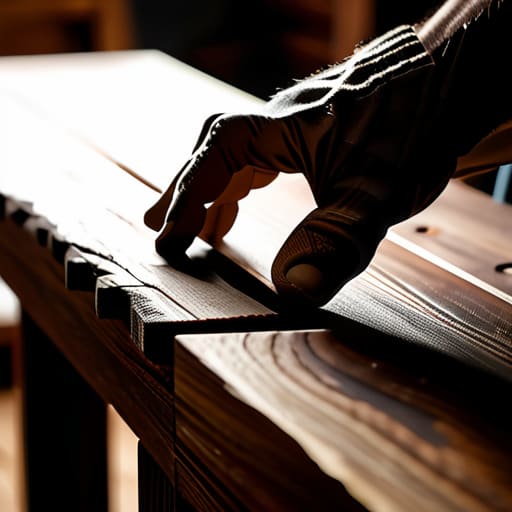
When the wood splits or a joint shears under pressure, the instinct is to recoil. I’ve spent two decades staring at things that didn’t go to plan, and I’ve learned that the initial moment of contact is the most dangerous. You can’t rush into a fix. Before you reach for the glue or the sandpaper, you need a moment of stillness to establish your damage assessment protocols. I usually clear my workbench, lay the piece under a single, harsh light, and just look. Is this a superficial scratch in the lacquer, or has the structural integrity of the mortise been compromised?
It’s easy to let panic dictate the next move, but that’s how a minor chip becomes a catastrophic failure. You have to weigh the heavy question of restoration vs replacement before the first tool even touches the surface. If I’m working on a commission, I’m also thinking about the paper trail—the documentation for repairs isn’t just bureaucratic busywork; it’s a way of respecting the history of the object. You aren’t just fixing a mistake; you are deciding whether the error is a flaw to be erased or a new, albeit unplanned, chapter in the piece’s life.
Stopping the Bleed Mitigating Further Damage Immediately
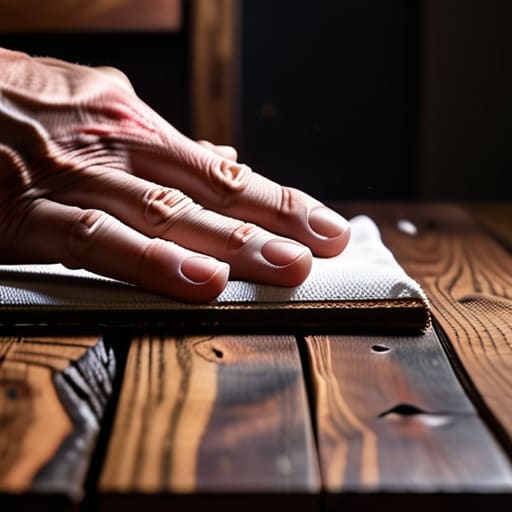
When the impact happens, there is a frantic, almost primal urge to grab a rag or a glue stick and start fixing it immediately. I’ve spent years in my studio watching that impulse do more harm than good. Before you reach for the tools, you have to pause. The goal here isn’t to fix; it is strictly about mitigating further damage by stabilizing the situation. If it’s a structural crack in a walnut tabletop, stop moving it. If there is moisture involved, blot—never rub—the area. You are essentially putting the piece in a tourniquet to prevent the wound from spreading.
This is also the moment where the cold, administrative side of the craft kicks in. While my instinct is to dive into the wood, I know that rigorous documentation for repairs is what actually protects the object’s future. Take photos from every angle before you touch a single splinter. This isn’t just about being cautious; it’s about establishing a clear record for the inevitable conversation regarding restoration vs replacement. You need to know exactly where the failure began before you attempt to decide where the healing should start.
The Paper Trail Essential Documentation for Repairs
I have a shelf in the back of my studio, tucked behind the wood shavings and the scrap walnut, where the “failures” live. Each one is tagged with a handwritten note—not just what happened, but why the error occurred. This habit, born from years of navigating the friction between a sketch and a production line, has become my most reliable tool when things go wrong. When a piece suffers a setback, your first instinct is often to reach for the glue or the sander, but you must first reach for your camera.
Thorough documentation for repairs isn’t about bureaucratic tedium; it is about preserving the truth of the object before you attempt to alter it. I’ve learned that a clear photographic record serves as your primary defense in any discussion regarding liability and accountability. Whether you are dealing with a client or a shipping carrier, you need more than a memory. You need a visual timeline that captures the exact state of the fracture. Without this, the line between a natural patina and a botched repair becomes dangerously blurred, leaving you with no way to prove where the original intent ended and the accident began.
Who Owns the Mistake Liability and Accountability
There is a particular, hollow feeling in the pit of your stomach when a crack appears in a client’s piece, and the immediate question isn’t about the wood or the finish, but about the blame. In my twenty years, I’ve learned that navigating liability and accountability is often more taxing than the actual physical repair. You have to decide, quite quickly, if the fault lies in a flawed material choice, a lapse in the workshop, or a courier who treated a hand-finished table like a crate of gravel. It’s easy to point fingers, but the professional way is to look at the documentation for repairs you’ve already gathered and let the facts dictate the conversation.
The tension usually boils down to a single, difficult pivot: restoration vs replacement. If I can fix it without compromising the soul of the object, I take the hit. But if the structural integrity is gone, the conversation shifts from craft to commerce. This is where the claims process for broken items becomes a necessary, if sterile, reality. You have to be honest about where the buck stops, because in design, your reputation is only as sturdy as your willingness to own your fractures.
Navigating the Storm the Claims Process for Broken Items
Once you’ve stabilized the situation and filed your paperwork, you enter the most draining phase: the bureaucracy of loss. Navigating the claims process for broken items often feels less like a professional dialogue and more like a slow-motion collision with a brick wall. You’ll find yourself caught in the friction between the reality of the object and the rigid logic of an insurance adjuster. They want spreadsheets; you want to explain why a specific grain pattern matters.
The real tension usually settles into a debate over restoration vs replacement. An adjuster sees a shattered chair leg as a line item to be erased, whereas I see a piece of history that requires a surgical touch. It is a battle of philosophies. You have to stand firm on your documentation for repairs, using those photos and notes not just as evidence, but as a way to prove that the object’s soul is worth more than its scrap value. It’s exhausting, but if you don’t fight for the integrity of the piece, the system will simply opt for the easiest, most sterile solution.
The Final Choice Restoration vs Replacement
This is where the designer’s intuition clashes with the cold logic of the ledger. Once you’ve navigated the claims process for broken items and settled the question of liability, you’re left with a physical reality that refuses to be ignored. You have to decide: do we attempt to heal this object, or do we admit it’s gone?
Choosing restoration vs replacement isn’t just a technical calculation; it’s a philosophical one. A replacement is clean, predictable, and utterly devoid of history. It satisfies the contract, but it lacks the soul of the original. On the other hand, a restoration—even a perfect one—is an act of memory. You are essentially trying to rewrite a moment of failure. I often look at my own shelf of rejected prototypes and realize that the most compelling pieces are the ones that survived a near-catastrophe. If the repair can be integrated into the object’s narrative without compromising its structural integrity, I lean toward the mend. But if the damage fundamentally alters the intent of the design, then the most honest thing to do is to let it go and start again.
The Weight of the Fracture
We spend our lives trying to engineer perfection, but the real design work begins when the material fails. A crack isn’t just a defect to be filed away; it’s a moment of truth that forces you to decide whether you’re merely a manufacturer or a craftsman.
Jonathan Marin
The Weight of the Decision
At the end of the day, managing a damaged piece is less about the technicality of the repair and more about the discipline of the response. We have walked through the triage of assessment, the urgency of mitigation, and the heavy administrative lifting of documentation and liability. Whether you find yourself choosing the meticulous path of restoration or the clean break of a total replacement, the goal remains the same: to act with intentionality rather than impulse. You aren’t just fixing a physical object; you are managing the integrity of the process itself, ensuring that every step taken—from the first glance at the fracture to the final claim—is recorded with unflinching honesty.
I often look at the graveyard of rejected prototypes in my studio, those wooden joints that didn’t quite seat or the veneers that buckled under too much heat. They aren’t failures to me; they are the physical evidence of a choice made. When something breaks, it forces a confrontation with the reality of our work. It strips away the polished veneer of perfection and leaves us with the raw truth of the material. Don’t fear the crack or the splintered edge. Instead, lean into the tension of the moment and remember that the most profound design decisions are often born from the very things that almost went entirely wrong.
