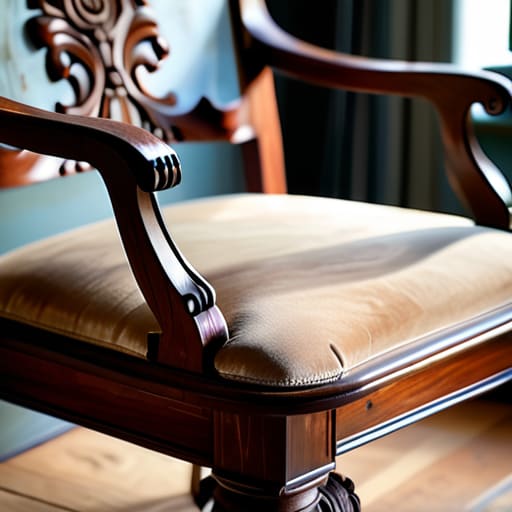
Studying an Eighteenth Century Chair
I was sitting on my studio floor last Tuesday, surrounded by a graveyard of failed joinery and half-finished sketches, when I realized I was doing it again: looking at a Regency-era chair not as a piece of history, but as a set of rigid rules to be obeyed. There is this pervasive, almost academic myth that learning how to use historical furniture as reference means performing a sort of forensic reconstruction, as if we’re trying to pass a museum exam rather than create something new. It’s a stifling way to work, and frankly, it’s how you end up making expensive-looking copies that have absolutely no soul.
I’m not interested in teaching you how to be a historian; I want to show you how to be a designer. In the following pages, I’m going to share how I actually pull from the past—not by mimicking a silhouette, but by identifying the tension between a period’s constraints and its solutions. We’ll skip the textbook fluff and get straight into the messy, practical reality of extracting a single, vital idea from a centuries-old object to fuel a modern build.
The Ghost in the Grain Why We Study Period Furniture Analysis
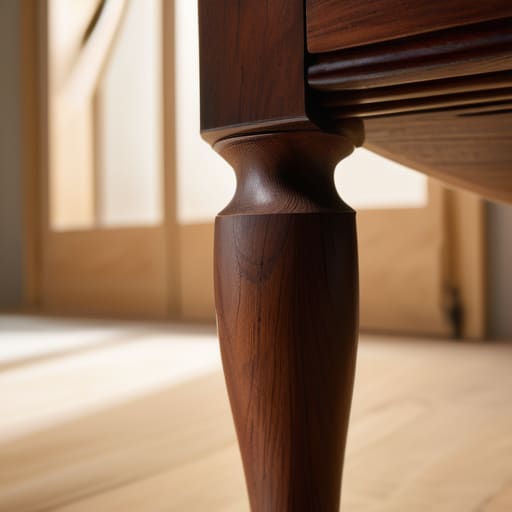
I’ve always felt that looking at a piece of Louis XVI furniture isn’t about copying its curves; it’s about understanding the logic behind them. When I sit down for a session of period furniture analysis, I’m not looking for a blueprint to replicate. I’m looking for the friction. I want to see where the maker fought against the limitations of the wood or the tools of their time. It’s in those moments of tension—where a leg seems almost too slender to support the weight of the tabletop—that the real design intelligence lives.
Most people see a finished chair and think of it as a static thing, but I see a series of solved problems. By sketching historical furniture details, I try to deconstruct how those old masters balanced elegance with structural necessity. It isn’t about being a historian; it’s about recognizing that true elegance is often just a very disciplined form of constraint. If I can understand why a specific taper was chosen in 1780, I can better understand the weight of my own decisions today.
Finding the Pivot How to Use Historical Furniture as Reference
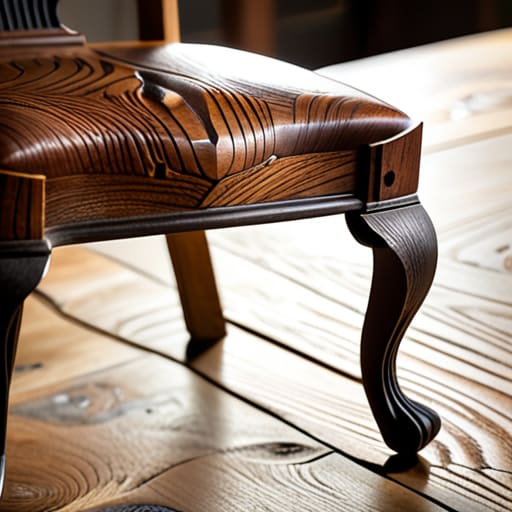
When I sit down with a sketchbook, I’m not looking to copy a Louis XV chair; that’s just taxidermy. Instead, I’m looking for the tension. I find myself sketching historical furniture details not to replicate the curve of a cabriole leg, but to understand the exact moment the maker decided to transition from a straight line to a sweep. It’s about identifying the pivot point—that specific structural decision where a piece moves from being merely functional to being something that commands a room.
To do this effectively, you have to look past the ornamentation and hunt for the classical proportions in furniture that hold the silhouette together. I often find that the most successful modern pieces aren’t built on new ideas, but on a deep, almost subconscious understanding of furniture design principles established centuries ago. You aren’t looking for a template; you are looking for the logic of the weight, the way a joint handles a load, and the subtle geometry that makes a chair feel “right” before you even realize why.
The Tension of Truth Mastering Classical Proportions in Furniture
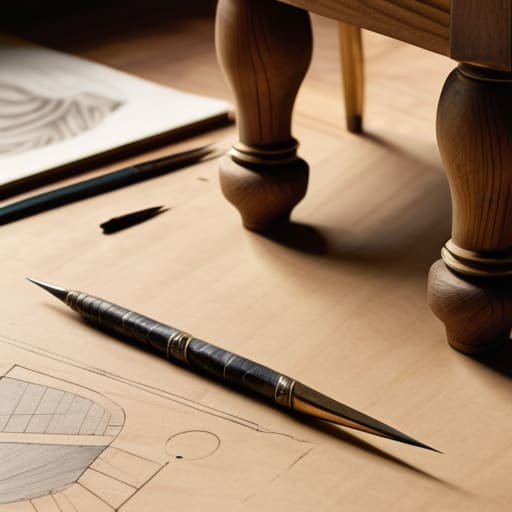
There is a specific kind of vertigo that sets in when you start sketching historical furniture details. You think you’ve captured the essence of a Louis XVI chair, but the moment you move to the workbench, the legs feel like stilts and the seat looks like a mistake. It’s rarely about the ornament; it’s about the math. Mastering classical proportions in furniture isn’t about being a historian—it’s about understanding that those old masters were playing a high-stakes game of visual equilibrium. They knew exactly how much weight a taper could carry before the eye perceived it as fragile.
When I’m designing with historical precedents, I try to avoid the trap of mere mimicry. If I simply copy the silhouette, I’ve produced a costume, not a piece of furniture. Instead, I look for the mathematical tension that holds the era together. I want to find that precise ratio where a heavy apron meets a slender leg—that razor-thin line between stability and elegance. It’s in that struggle, that refusal to settle for a “close enough” approximation, where the design actually begins to breathe.
Decoding the Almost Wrong Reading Furniture Era Characteristics
When I’m sitting at my drafting table, I’m rarely looking for a blueprint to copy; I’m looking for the logic of the struggle. To truly understand furniture era characteristics, you have to look past the surface ornament and find the structural necessity that dictated the shape. Take a Louis XV chair, for instance. If you only see the curves, you’re missing the point. The real lesson lies in how the cabriole leg manages to look effortless while fighting the inherent rigidity of solid wood. I find that sketching historical furniture details—not the whole piece, but just the junction where a leg meets a rail—reveals more about the era’s soul than any textbook ever could.
It’s about identifying the specific constraints that defined a period. In my own studio, I often find myself obsessing over these “near-miss” design decisions. When I’m designing with historical precedents, I’m not looking for a way to mimic the past, but to understand the specific tension that made a certain silhouette feel “correct.” It’s a process of stripping away the decorative fluff to find the underlying furniture design principles that survived the centuries.
The Weight of Tradition Designing With Historical Precedents
There is a specific kind of paralysis that sets in when you sit down to work with a heavy precedent. I’ve felt it in my own studio—that moment where the weight of centuries feels less like a foundation and more like a cage. When you are designing with historical precedents, the temptation is to mimic, to replicate the curve of a cabriole leg or the specific taper of a spindle until you’ve essentially become a high-end photocopier. But mimicry is the death of design. It’s a safe harbor, and safety is rarely where the interesting work happens.
The real discipline lies in knowing which rules to honor and which to break. I often find myself sketching historical furniture details not to copy them, but to find the exact point where they begin to fail the modern context. I want to find the tension. If I’m pulling from a Regency silhouette, I’m not looking for a way to recreate it; I’m looking for the specific structural logic that allowed it to exist, so I can then apply that same logic to a completely different material or form. It’s about understanding the why behind the tradition, rather than just the what.
Capturing the Deviation Sketching Historical Furniture Details
When I sit down with a sketchbook, I’m not trying to draw a museum piece; I’m looking for the moment the craftsman stopped following the rulebook. My process for sketching historical furniture details isn’t about capturing a perfect silhouette, but rather the slight, human irregularities that define a specific era. I’ll spend an hour just on the way a cabriole leg tapers, or how a mortise and tenon joint sits within a frame. It’s about documenting the friction between the intended geometry and the reality of the wood.
I find that if I only sketch the “correct” lines, I end up producing something sterile and lifeless. Instead, I look for the deviations—the way a hand-carved molding might swell slightly more than a machine could ever allow. By focusing on these specific furniture era characteristics, I can understand the logic behind the original maker’s choices. I keep these sketches in a messy pile next to my rejected prototypes, because the most useful lesson usually isn’t in the perfect curve, but in the tension of the near-miss.
Beyond the Blueprint Applying Core Furniture Design Principles
It is easy to fall into the trap of treating a museum piece like a set of instructions to be followed blindly. I’ve seen too many junior designers treat a Louis XVI chair as a recipe rather than a conversation. If you simply copy the dimensions, you aren’t designing; you’re just replicating. The real skill lies in extracting the underlying furniture design principles—the logic of how a joint carries weight or how a taper creates an illusion of lightness—and then applying that logic to a completely different context.
When I’m working on a new piece, I don’t look for the specific curve of a cabriole leg to steal; I look for the intent behind the curve. I want to understand why a maker in 1750 chose to exaggerate a certain transition. By studying these classical proportions in furniture, you learn to recognize the invisible scaffolding that makes an object feel “right.” It’s about moving past the surface decoration and grasping the structural honesty that allows a design to survive the transition from a historical sketch to a modern production line.
The Value of the Near-Miss
I don’t look at a Chippendale chair to copy its curves; I look at it to find the exact moment the maker decided against a straight line. Using history as a reference isn’t about mimicry—it’s about finding that specific point of tension where a designer chose one path and nearly took another, and then deciding if you have the courage to take the other one yourself.
Jonathan Marin
The Final Pivot
Looking back through the sections we’ve covered, it becomes clear that studying historical furniture isn’t about mimicry or playing dress-up with the past. It is about understanding the logic of the constraint. We’ve looked at how to decode era-specific characteristics, how to respect classical proportions, and how to use those old blueprints not as a cage, but as a springboard. The goal isn’t to build a perfect reproduction that sits dead on a museum shelf; it is to find that specific tension where a historical principle meets a modern necessity. When you stop trying to copy the shape and start trying to understand the decision, you stop being a student of history and start becoming its successor.
I often look at the pile of rejected prototypes in the corner of my studio—the ones with the slightly too wide legs or the joinery that felt too aggressive. They remind me that design is a series of narrow escapes. As you move forward with your own work, don’t be afraid to lean into that discomfort. Use the past to find your footing, but let your own hand do the walking. The most resonant pieces aren’t the ones that follow the rules perfectly, but the ones that honor the tradition while daring to deviate. That is where the soul of the object actually lives.
