
Where Half Built Work Lives
I was clearing out a corner of the studio last Tuesday when I tripped over a stack of birch plywood offcuts that had been sitting there since 2014. They weren’t just scraps; they were the skeletal remains of a chair design that almost worked, if only I hadn’t been too stubborn to change the joinery. Most people will tell you that organization is about digital folders or sleek, modular shelving systems, but they’re selling you a fantasy of linear progress. In reality, my method for how I store work in progress is far more chaotic and tactile. I don’t use a system designed for efficiency; I use one designed for memory.
I’m not here to give you a lecture on productivity hacks or the latest project management software. Instead, I want to pull back the curtain on the physical and mental clutter that actually fuels a design practice. I’ll show you how I manage the “graveyard” of failed prototypes and half-baked sketches, treating them not as clutter, but as essential data. This isn’t about being tidy; it’s about making sure that the moment you almost made the wrong decision, you have the physical evidence ready to help you make the right one.
The Anatomy of the Near Miss How I Store Work in Progress
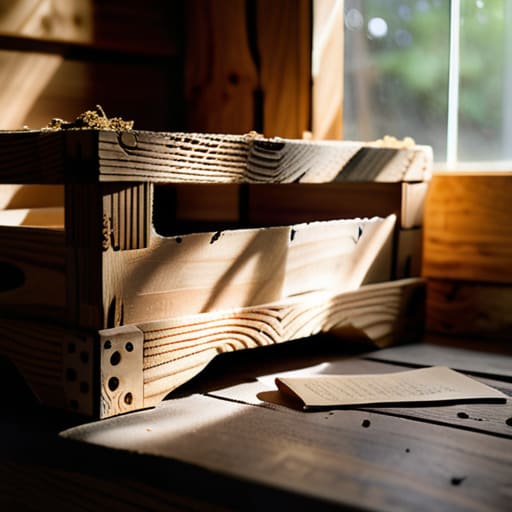
I don’t use a digital cloud or a tidy spreadsheet to track my half-baked ideas; my system is physical, tactile, and somewhat cluttered. In the corner of my studio, there is a series of heavy wooden crates, each one a temporary morgue for a chair leg that was too thin or a joinery detail that felt dishonest. I’ve found that organizing a creative workspace isn’t about achieving a sterile, minimalist aesthetic, but about creating a map of my own hesitation. Each crate is tagged with a handwritten note—usually a blunt sentence explaining why the piece failed—because I need to remember the exact moment a design lost its way.
When it comes to the actual physical pieces, I’ve become obsessed with the logistics of protecting unfinished projects from the slow decay of the studio itself. I wrap my prototype carcasses in heavy canvas, not just to prevent scratches, but as a way of minimizing dust accumulation on art that isn’t even “art” yet. There is a specific kind of melancholy in seeing a beautiful piece of walnut sitting under a shroud, waiting for a decision that might never come.
Protecting Unfinished Projects From the Weight of Indecision
There is a specific kind of paralysis that sets in when a design reaches a stalemate. You’re stuck between a leg joinery that feels too aggressive and one that feels too timid, and suddenly, the project isn’t a piece of furniture anymore—it’s just a heavy, expensive weight sitting in the middle of the shop. I’ve learned that protecting unfinished projects from this mental stagnation requires more than just clearing floor space; it requires a physical boundary. If I leave a half-sanded walnut tabletop out in the open, it becomes a monument to my own indecision.
To keep the momentum from curdling, I’ve had to get disciplined about organizing my creative workspace into zones of “active” and “dormant.” When a project enters a period of doubt, it goes into a designated holding area. I wrap the delicate components in acid-free paper and tuck them into airtight bins, primarily for minimizing dust accumulation on art and preventing the wood from reacting to the humidity of the shop. It’s not about tidiness; it’s about insulating the idea from the friction of daily life, so when I finally return to it, I’m meeting the object again, rather than just fighting the mess I left behind.
Preventing Environmental Damage to Crafts in the Liminal Space
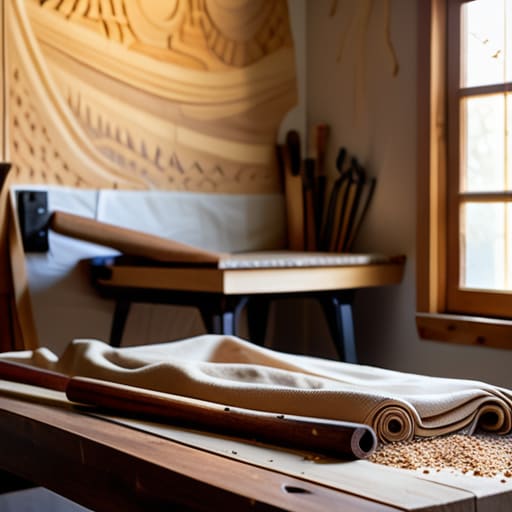
There is a specific kind of heartbreak in returning to a studio after a week away, only to find that a half-sanded walnut tabletop has become a magnet for every speck of sawdust in the building. When a piece is in that awkward, middle stage—neither a raw slab nor a finished chair—it is at its most vulnerable. I’ve learned that preventing environmental damage to crafts isn’t about high-tech climate control; it’s about the discipline of the shroud. I use heavy canvas drop cloths to drape over my larger builds, not because I’m tidy, but because I’m protecting the integrity of the grain from unseen invaders like humidity shifts or fine grit.
It’s a bit of a ritual, really. I treat these transition periods with the same respect I’d give a finished piece. If I’m working with something more temperamental, like a delicate paper layup for a letterpress proof or a veneer, I move it into dedicated bins. This isn’t just about minimizing dust accumulation on art; it’s about ensuring that when I finally find the courage to revisit a difficult decision, the material itself hasn’t degraded into something I no longer recognize.
The Art of Organizing Creative Workspace for Future Selves
I’ve learned that the person who returns to a project six months later is essentially a stranger. That future version of me won’t have the same tactile memory of how a specific walnut veneer felt under a sanding block or why a certain joint felt “off” during assembly. To bridge that gap, organizing creative workspace isn’t about tidiness; it’s about leaving breadcrumbs. I don’t just shove things into bins; I leave notes taped to the assembly jigs, explaining the tension I was trying to resolve.
It’s a way of protecting unfinished projects from the inevitable erosion of memory. If I leave a prototype sitting out, it becomes part of the background noise of the studio—just another piece of clutter. By assigning every half-finished idea a specific, dedicated “docking station,” I ensure that the transition from one phase to the next doesn’t result in a loss of momentum. It’s less about being a neat freak and more about ensuring that when I finally do decide to pick up the chisel again, I’m not spending three days just trying to remember why I stopped in the first place.
Safe Storage for Delicate Materials and Their Lost Potential
There is a specific kind of heartbreak in finding a piece of hand-planed walnut or a delicate slip-cast ceramic form that has been neglected in the back of a workshop. When I’m protecting unfinished projects, I’ve learned that the enemy isn’t usually a lack of talent, but the slow, silent degradation of the material itself. A slab of wood left exposed to a drafty studio can warp just enough to ruin a joinery plan I spent weeks perfecting, turning a viable prototype into another piece of my “graveyard.”
I’ve moved away from the idea of just tossing things into bins. Now, I treat my workspace more like a laboratory. Safe storage for delicate materials means using acid-free tissue for my paper studies and heavy-duty, breathable covers for anything involving timber or fabric. It’s about minimizing dust accumulation on art and raw components, because once grit gets embedded into a fine finish or a porous surface, the labor required to undo that damage often outweighs the desire to finish the piece. I’m not just saving the object; I’m saving the possibility of its completion.
Minimizing Dust Accumulation on Art That Isnt Finished Yet
There is a specific kind of heartbreak in picking up a prototype after three weeks of dormancy only to find it coated in a fine, grey silt. In a woodshop or a studio, dust isn’t just a nuisance; it’s a layer of neglect that settles into the grain or the grit of a print, masking the very textures I spent hours refining. When I’m protecting unfinished projects, I’ve learned that a simple cloth isn’t enough. If a piece is sitting in a state of transition, I usually opt for a loose cotton shroud—something breathable enough to prevent moisture buildup but heavy enough to act as a barrier.
I’ve found that minimizing dust accumulation on art requires a bit of ritualistic foresight. I don’t just toss a piece under a tarp; I treat the act of covering it as a way of acknowledging its temporary stillness. Whether it’s a half-sanded chair leg or a delicate letterpress plate, the goal is preventing environmental damage to crafts without making the eventual “unveiling” a chore of cleaning. It’s about ensuring that when I finally return to the work, the only thing I’m fighting is my own indecision, not a layer of grit.
Handling Project Transitions Without Losing the Original Spark
There is a specific kind of grief that comes with shelving a project for a month to focus on a client’s production run. You step away, the momentum shifts, and when you return, the object feels like a stranger. It’s easy to lose that initial friction—the tension between the material and the idea—leaving you with nothing but a cold, technical task. I’ve found that handling project transitions requires more than just clearing a workbench; it requires a way to “bookmark” the intuition.
I’ve started leaving a “breadcrumb” with every piece I set aside. This isn’t a formal blueprint, but rather a scrap of paper or a quick sketch tucked into the safe storage for delicate materials where the project lives. It captures the “why” of the current struggle—the specific curve of a chair leg or the grain direction I was wrestling with. Without these notes, the spark doesn’t just fade; it gets smothered by the sheer effort of trying to remember where the excitement lived. It turns a creative pursuit into a mere exercise in recovering lost ground.
The Weight of the Alternative
I don’t store my unfinished work to save time; I store it to preserve the tension of the decision that hasn’t been finalized yet. A half-built chair isn’t just a collection of joinery and wood—it’s a living argument between the way it is and the way it almost was.
Jonathan Marin
The Long View from the Studio Floor
At the end of the day, managing a work-in-progress isn’t about achieving some pristine, archival standard of organization. It is about building a system that respects the fragility of an idea before it has hardened into a final product. Whether I am shielding a half-sanded walnut tabletop from the relentless drift of sawdust or labeling a failed joint so I don’t repeat the same mistake six months from now, the goal remains the same: preservation. We organize to protect the physical material, yes, but more importantly, we organize to protect the momentum of the creative impulse, ensuring that when we return to the bench, the spark hasn’t been smothered by the sheer chaos of our own making.
I often look at the stacks of rejected prototypes in the corner of my studio—the ones with the handwritten notes explaining why the proportions felt “off” or why the grain refused to cooperate. They aren’t failures; they are the necessary scaffolding of everything that eventually works. If you treat your unfinished work with a certain level of reverence, you stop seeing the “in-between” stages as mere clutter and start seeing them as active potential. Don’t just throw your half-finished thoughts into a bin and hope for the best. Treat them with the care they deserve, because the most profound design breakthroughs often hide in the very pieces you almost decided to throw away.
