The Shortcut That Costs More
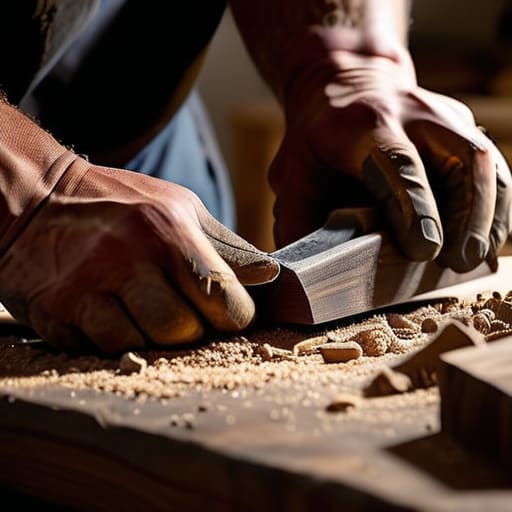
I was staring at a pile of rejected walnut joinery last Tuesday—the kind of scrap that usually ends up as kindling—and it hit me how much we lie to ourselves about efficiency. There’s this pervasive, polished myth in design circles that “optimizing workflow” is the ultimate virtue, as if we’re all just trying to clear a production line as fast as possible. But that’s a lie. The truth about why makers resist shortcuts isn’t some lofty pursuit of perfection or a romanticized obsession with “the soul of the craft”; it’s much more stubborn than that. It’s the realization that the moment you bypass the difficult part of a process, you’ve effectively deleted the most interesting decision you were ever going to make.
I’m not here to sell you on the romanticism of the struggle or give you a lecture on “slow living.” I want to talk about the actual, gritty mechanics of why we choose the hard way even when the easy way is staring us in the face. I’ll be sharing what I’ve learned from twenty years of moving between custom studio work and high-volume production, focusing on the tangible cost of speed. We’re going to look at how avoiding the easy path is actually the only way to ensure the final object has any actual weight behind it.
The Ghost of the Easy Way Why Makers Resist Shortcuts
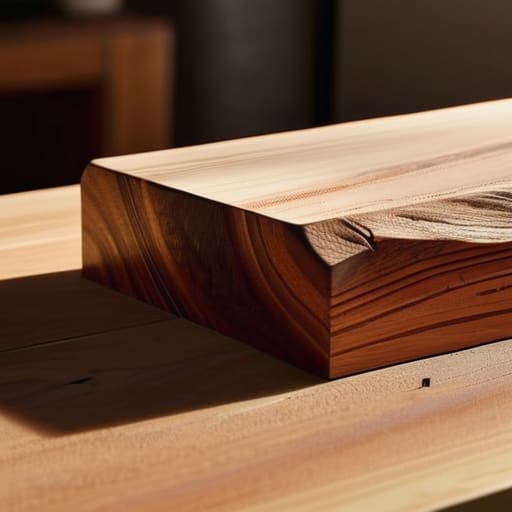
I have a shelf in my studio dedicated to what I call “the ghosts.” They are the failed joints, the slightly off-center dowels, and the veneer strips that bucked because I rushed the glue-up. Looking at them, I realize that my resistance to the quick fix isn’t about some lofty moral high ground; it’s about a visceral discomfort with the hollow feeling of a job done merely for the sake of completion. When you choose the shortcut, you aren’t just saving time; you are essentially trading away the soul of the object before it even leaves your workbench.
In my twenty years of moving between custom studio work and high-volume production, I’ve seen how easily integrity in manufacturing can erode under the pressure of a deadline. It’s tempting to swap a hand-planed surface for a quick sanding session, but that’s where the nuance dies. To me, true mastery isn’t found in the speed of the output, but in the quiet, repetitive tension of mastery through process. If I bypass the difficult step, I’m not just skipping a task—I’m skipping the very moment where the piece actually becomes mine.
The Tension Between Craftsmanship vs Speed and True Soul
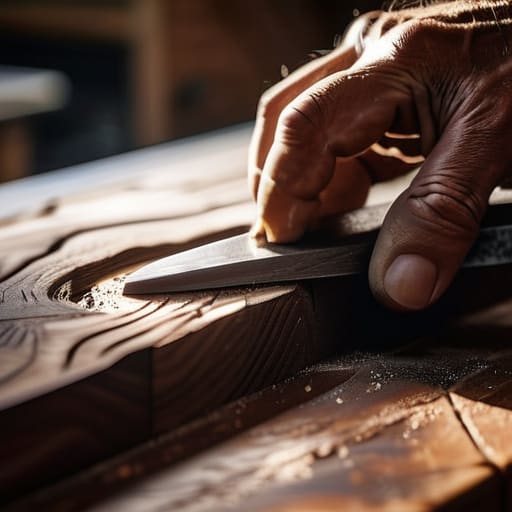
I remember a walnut sideboard I worked on last spring. The CNC router could have carved the joinery in minutes, a clean, repeatable, sterile process. But I spent two days hand-chiseling those same recesses because the machine’s precision felt too polite. There is a specific friction in the tension between craftsmanship vs speed that most people mistake for inefficiency. In reality, that friction is where the object finds its pulse. When you outsource the struggle to a machine, you aren’t just saving time; you are often outsourcing the very soul of the piece.
It’s a quiet battle of maker ethics and quality control that happens when no one is looking. It’s easy to justify a slight deviation in a grain pattern or a rushed sanding stage when the client is long gone, but those choices accumulate. You eventually reach a point where the work feels hollow, a collection of surfaces rather than a cohesive thought. To me, true quality isn’t about hitting a deadline; it’s about the refusal to let the momentum of production override the integrity in manufacturing that keeps a piece from feeling like mere inventory.
The Hidden Debt Calculating the Cost of Cutting Corners
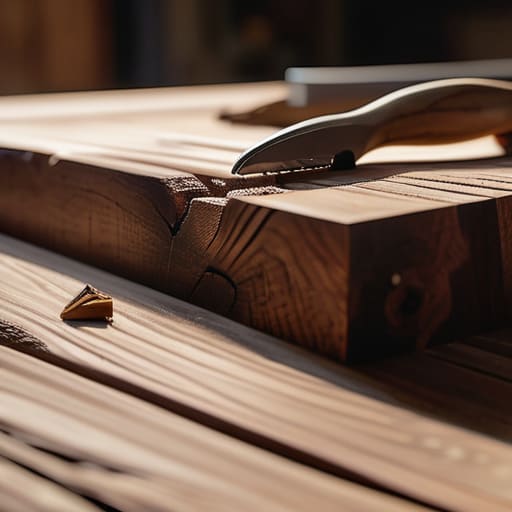
In my studio, I have a shelf dedicated to what I call “the debt collectors.” These are the pieces where I tried to shave off twenty minutes by bypassing a traditional joinery method or substituting a hand-rubbed finish for a spray-on lacquer. At first, the time saved feels like a victory, a small triumph of efficiency over the slog of manual labor. But that victory is a loan with a predatory interest rate. You pay it back later in the form of a joint that shifts three years down the line, or a finish that loses its depth the moment the sun hits it. This is the true cost of cutting corners: you aren’t actually saving time; you are just deferring the inevitable failure of the object.
When we talk about integrity in manufacturing, we aren’t just discussing the strength of a bolt or the grade of a timber. We are talking about the psychological weight of knowing exactly how an object is put together. If I know a seam is held by a shortcut rather than a proper mortise, I can’t look at the finished chair without seeing that invisible flaw. That mental friction is a heavy tax on the maker’s spirit.
Integrity in Manufacturing the Choice That Defines the Object
I have a shelf in the back of my studio filled with what I call “the almosts”—joints that were technically sound but lacked the necessary tension, or veneers that were applied too quickly to account for the grain’s movement. In the world of production, there is a constant, grinding pressure to prioritize throughput over everything else. But I’ve learned that integrity in manufacturing isn’t found in the grand gestures or the marketing copy; it’s found in the decisions made when no one is looking, like choosing to re-run a batch of components because the tolerances were off by a fraction of a millimeter.
When you move from a bespoke studio to a high-volume line, the temptation to treat maker ethics and quality control as mere checkboxes is immense. It’s easy to let a minor flaw slide when the quota is looming. However, I’ve found that these small concessions act like a slow-acting poison on the final product. You don’t just lose a bit of durability; you lose the invisible weight of a well-made object. True mastery through process means accepting that some days, the most productive thing you can do is stop the line and do it again.
Finding Mastery Through Process and the Near Miss Decision
I have a shelf in the back of my studio, tucked behind a stack of birch plywood, that serves as a graveyard for my indecision. It is filled with joints that were slightly too loose, legs that were milled a millimeter too thin, and drawer runners that refused to glide. To a casual observer, they are failures. To me, they are the most honest records of my work. This is where mastery through process actually lives—not in the polished final product that sits in a showroom, but in the friction of the near-miss.
When I’m staring at a piece of walnut, I often find myself paralyzed by a choice: do I use a traditional mortise and tenon, or do I opt for a modern dowel system to shave two hours off the build? The dowel is efficient; the mortise is a headache. But the real value isn’t found in the speed, it’s in the mental tension of that choice. When I choose the harder path, I am acknowledging that the object’s soul is tied to the struggle of its creation. If I never flirted with the easy way out, the finished piece would feel strangely hollow, as if it had never truly been fought for.
The Sacred Burden of Attention to Detail in Making
There is a specific kind of exhaustion that comes from obsessing over a joint that no one will ever see once the piece is assembled. It’s a quiet, heavy weight—the sacred burden of attention to detail in making. I remember a walnut sideboard I worked on last autumn; I spent two days hand-planing a drawer bottom just to ensure the seasonal movement wouldn’t cause a hairline fracture in five years. To a production manager, that’s lost revenue. To me, it was the difference between an object that survives and an object that merely exists.
This isn’t about perfectionism in the clinical sense; it’s about a certain maker ethics and quality control that functions as a moral compass. When you choose the harder path, you aren’t just fighting the clock; you are honoring the material. If I had opted for a standard dowel instead of the hand-cut mortise, the piece would have been finished by Friday. But the shortcut would have left a hollow space in the work. You realize eventually that true craftsmanship is a series of small, invisible promises kept to a client who might never even know you made them.
Maker Ethics and Quality Control Protecting the Final Result
I have a shelf in the back of my studio, mostly out of sight, filled with what I call the “almosts.” These are pieces where the grain didn’t cooperate, or where a joint felt just a hair too loose during the assembly. In a high-volume production environment, these would be scrapped or, worse, shipped with a quick fix. But for me, these rejects are the most honest teachers I have. They represent the moment where maker ethics and quality control stop being abstract concepts and become a physical weight in your hands. You realize that your responsibility isn’t just to the client or the deadline, but to the object itself.
It’s easy to talk about integrity in manufacturing when the sun is shining and the materials are perfect. It’s much harder when you’re staring at a flawed finish at 6:00 PM on a Friday. You face that internal friction: do you sand it down and start over, or do you hope the user never notices? I’ve learned that the user always knows. They might not be able to name the flaw, but they can feel the lack of intentionality. True quality control isn’t about a checklist; it’s about the refusal to let a piece leave your sight if it carries the shadow of a compromise.
The Weight of the Unseen
A shortcut is a quiet theft; it’s stealing the character from the object before it’s even finished. I look at my shelf of rejected prototypes and I don’t see failures—I see the moments where I refused to let a piece become hollow just to save an hour of labor.
Jonathan Marin
The Weight of the Finished Object
At the end of the day, resisting the shortcut isn’t about some romanticized notion of suffering for your art; it’s a pragmatic calculation of value. We’ve looked at how the debt of a skipped step eventually comes due, how the tension between speed and soul defines the maker, and how the integrity of the final piece rests entirely on those quiet, difficult choices made in the middle of a workshop. When I look at my shelf of rejected prototypes—each one a graveyard of near-miss decisions—I don’t see failures. I see the exact moments where I refused to let the process dictate the quality, choosing instead to honor the inherent logic of the material and the standard I set for myself.
Ultimately, we don’t make things just to occupy space or to satisfy a production quota. We make them to prove that intention still matters in a world of disposable goods. The next time you find yourself staring at a jig you could skip or a finish you could rush, remember that the object will eventually outlive your convenience. The true mark of a maker isn’t found in the perfection of the final product, but in the integrity of the struggle it took to get there. Build something that carries the weight of your decisions, because that is where the soul resides.
