The Edge Is Where Hands Go
I was staring at a pile of walnut offcuts in my studio last Tuesday, thinking about the sheer amount of time we waste overcomplicating the simplest things. There is this pervasive, almost academic myth in design circles that you need complex CAD simulations or expensive custom tooling to master the details. People treat it like a high-stakes mathematical equation, but when it comes to learning how to design an edge profile, most of that noise is just ego masquerading as expertise. I have a shelf in the back of my workshop filled with “failed” prototypes—pieces where I chased a theoretical perfection that looked nothing like the finished reality.
I’m not here to give you a lecture on geometric theory or show you a polished slideshow of my best work. Instead, I want to talk about the friction—the actual, tactile decisions that happen when wood meets a router bit or a hand plane. I’m going to share the hard-won lessons from twenty years of making things, focusing on the split-second choices that actually define a piece. We’ll look at the real-world constraints of production and why the most successful edges are often the ones that almost didn’t happen.
The Near Miss How to Design an Edge Profile That Matters
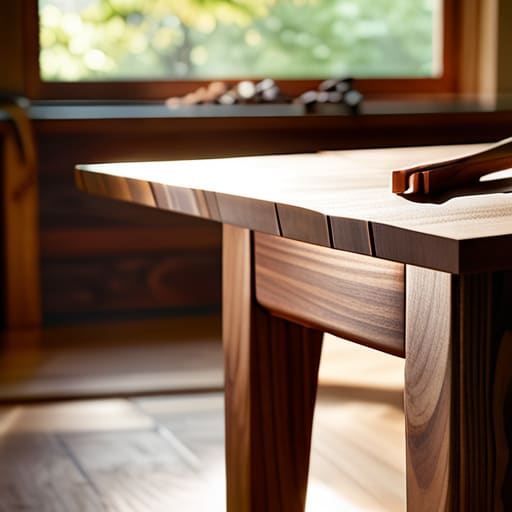
I have a drawer in my studio filled with scraps of walnut and maple, each one a casualty of a mid-process pivot. Last week, I was staring at a prototype for a side table, caught in that familiar paralysis between a crisp, architectural chamfer and a more forgiving, radiused curve. It’s a tension that defines much of my work: the pull between the precision of edge geometry and aesthetics and the messy reality of how a human hand actually interacts with a surface. I almost went with a sharp, aggressive bevel to emphasize the wood’s grain, but I realized it would feel defensive rather than inviting.
Ultimately, I opted for a subtle, eased edge. It wasn’t about following a textbook on contour design principles, but about how the light would catch the corner when someone reaches for a glass. A sharp edge creates a hard line of shadow that can feel clinical, whereas a slight softening allows for a more nuanced interplay of surface finish and light reflection. You realize, quite late in the game, that the most successful profiles are often the ones that feel inevitable, even if they were only a few millimeters away from being something entirely different.
The Tension Between Edge Geometry and Aesthetics

When I’m sitting at the drafting table, I find myself caught in a constant tug-of-war between what the eye wants and what the hand demands. It’s the fundamental friction of edge geometry and aesthetics. You might sketch a razor-thin, crisp edge that looks stunning in a charcoal rendering—absolute perfection on paper—but the moment you hold a physical sample, that sharpness feels aggressive, almost hostile. There is a specific gravity to a piece that changes based on how much light it catches. I often spend hours obsessing over the surface finish and light reflection, knowing that a slight change in a radius can turn a harsh shadow into a soft, inviting glow.
It isn’t just about the visual; it’s about the physical reality of the material. If I’m working with a heavy slab of walnut, a tiny, delicate detail can look swallowed by the mass, whereas on a thin sheet of steel, that same detail might feel disproportionate. You have to respect the material thickness and profile impact to ensure the edge doesn’t look like an afterthought. It’s a delicate balance of making the object look effortless while knowing exactly how much effort went into every millimeter of that transition.
The Split Second Decision Bevel vs Chamfer Edges
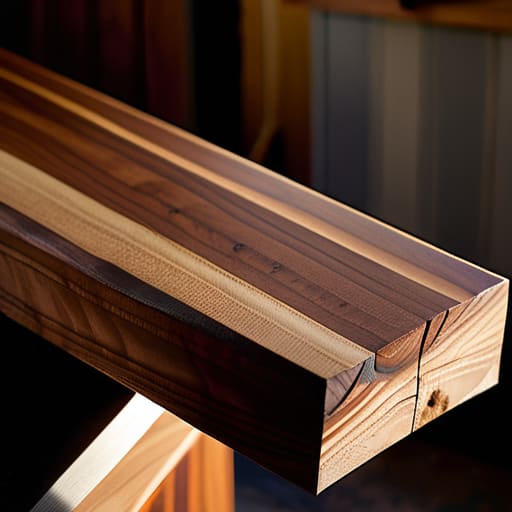
I spent three days staring at a slab of walnut last month, caught in that familiar, agonizing loop of indecision. On one hand, the chamfer felt safe—a crisp, 45-degree cut that screams precision and architectural intent. It’s clean, predictable, and plays well with the straight lines of a modern silhouette. But then there was the bevel. A bevel is a more subtle, almost shy gesture, slicing away just enough to catch a sliver of light without announcing its presence.
The real struggle in the bevel vs chamfer edges debate isn’t about geometry; it’s about how the light behaves when it hits the corner. A chamfer creates a distinct, hard-edged shadow that defines the object’s boundary, whereas a bevel allows the surface finish and light reflection to bleed softly into the next plane. One asserts itself; the other invites a touch. I ended up discarding the chamfer because it felt too much like a technical requirement and not enough like a design choice. I wanted the edge to feel like it had been worn down by time, not sliced by a machine.
Mastering the Subtle Art of Contour Design Principles
When I’m sitting at the workbench, staring at a stack of milled walnut, I’m not thinking about grand gestures. I’m thinking about how a single millimeter of subtraction changes the way a person interacts with a surface. This is where ergonomic edge shaping moves from a technical requirement to a tactile experience. It’s easy to get lost in the math of a radius, but you have to feel how the hand settles into the wood. If the transition is too abrupt, the piece feels defensive; if it’s too soft, it loses its structural definition and starts to feel mushy, like a design that couldn’t make up its mind.
I’ve spent many afternoons looking at how surface finish and light reflection dance along a curved edge. A sharp chamfer catches a sliver of light that defines the object’s boundary, whereas a subtle radius swallows that light, making the edge appear to melt into the shadow. It’s a delicate balance of physics and feeling. You aren’t just shaping a corner; you are directing the eye and the touch, deciding exactly where the object ends and the user begins.
Where Light Meets Matter Surface Finish and Light Reflection
I spent most of yesterday afternoon in the studio, staring at a walnut tabletop under a single, harsh halogen lamp. It’s a mistake I’ve made a dozen times: designing a profile that looks perfect in a CAD model, only to realize it dies once it actually meets a light source. You can have the most mathematically sound edge geometry and aesthetics in the world, but if you don’t account for how the grain catches a shadow, the piece will feel flat. A sharp chamfer might look crisp on paper, but in person, it can create a harsh, distracting line of light that breaks the visual flow of the entire surface.
The real magic happens in the transition. I’ve found that a slight, almost imperceptible radius can transform a piece from something that looks “manufactured” to something that feels alive. This is where surface finish and light reflection become inseparable from the shape itself. If you apply a heavy oil finish to a tight, complex profile, you might accidentally muddy the very lines you worked so hard to define. I often find myself oscillating between a crisp edge and a soft one, wondering if the light will dance along the curve or simply get lost in the corner.
The Weight of Choice Material Thickness and Profile Impact
I have a shelf in the back of the studio, tucked behind the scrap bins, filled with cross-sections of plywood and solid walnut. Most are failures, but they serve as a reminder that a profile doesn’t exist in a vacuum; it is entirely beholden to the stock it lives on. When I’m working with a thin, 12mm veneer-faced substrate, a heavy chamfer can make the whole piece look fragile, almost skeletal. Conversely, applying a subtle radius to a thick, 40mm slab of oak can sometimes feel like an afterthought, a missed opportunity to acknowledge the sheer mass of the material.
The real struggle is managing the material thickness and profile impact so they don’t fight one another. If the edge is too aggressive relative to the thickness, the object loses its structural integrity—not just physically, but visually. You end up with a piece that looks like it’s trying too hard to be “designed.” I’ve spent many late nights staring at a prototype, wondering if a deeper ergonomic edge shaping would ground the piece or simply make it look blunt. It’s a delicate calibration between the weight of the wood and the geometry you’ve carved into it.
Finding the Human Element Through Ergonomic Edge Shaping
I spent three weeks last autumn obsessing over a dining chair prototype, only to realize I had designed a beautiful object that no one could actually sit in. I had leaned so heavily into the visual drama of the geometry that I forgot the most basic truth of my trade: furniture is a medium of contact. When we talk about ergonomic edge shaping, we aren’t just talking about avoiding sharp corners; we are talking about the silent dialogue between a person’s skin and the wood. A table edge that looks striking under studio lights can become an instrument of torture during a long dinner if the radius is even a fraction of a millimeter off.
It’s a delicate balancing act where edge geometry and aesthetics often pull in opposite directions. You want that crisp, intentional line that defines the silhouette, but you also need to account for the way a human forearm rests against the surface. I often find myself looking at my pile of rejected prototypes—the ones labeled “too aggressive”—and realizing the failure wasn’t in the look, but in the tactile empathy. A successful edge is one that feels like it was meant to be touched, a shape that anticipates the body’s presence before the person even sits down.
The Ghost in the Geometry
An edge profile isn’t just a way to soften a corner; it’s the physical record of a compromise. You spend weeks obsessing over a radius, only to realize the piece truly lives in that tension between the sharp line you wanted and the soft curve the material forced you to accept.
Jonathan Marin
The Ghost in the Grain
At the end of the day, designing an edge profile isn’t about selecting a preset from a CAD library or following a textbook rule on radii. It is a cumulative process of managing tension—balancing the way a chamfer catches the light against the tactile reality of how a hand rests on a surface. We’ve looked at how material thickness dictates the scale of the profile, how ergonomics demand a certain softness, and how the interplay of light can either celebrate or swallow a detail. It all comes down to the realization that an edge is never just a boundary; it is the final negotiation between the object’s mass and the space it inhabits.
I often look back at the prototypes gathering dust in the corner of my studio, the ones where I hesitated. Those discarded edges represent the path not taken, and they remind me that design is rarely about finding the “correct” answer, but about making a deliberate choice among many good ones. Don’t aim for perfection, which is often just another word for sterile. Instead, aim for the decision that feels inevitable once it’s made, even if it nearly went the other way. That is where the soul of the work actually lives.
