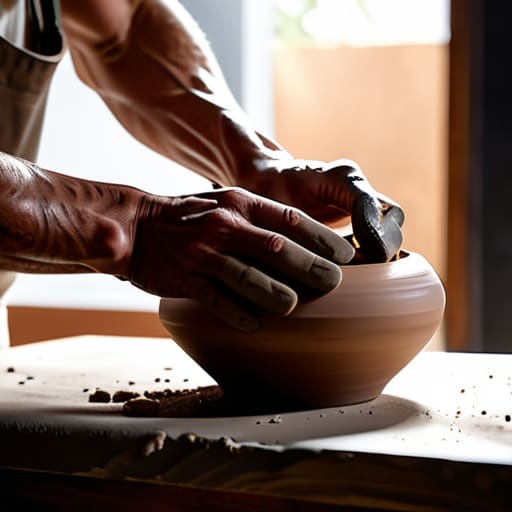
Making What People Will Buy
I was staring at a prototype for a walnut lounge chair last Tuesday—one of the many “failures” currently cluttering the corner of my studio—and realized it was the most honest thing I’d made in years. It was a piece that had survived a brutal negotiation between my own hands and the spreadsheet-driven demands of a production line. Most people talk about design as this lofty pursuit of beauty, but they ignore the invisible friction of what the market does to craft. It’s not just about price points or trends; it’s about that slow, quiet erosion of a maker’s intuition in favor of what is scalable.
I’m not here to give you a lecture on economic theory or the “soul” of the artisan. Instead, I want to talk about the actual, messy mechanics of staying true to a design when the numbers start screaming at you to compromise. I’ll be sharing the hard-won lessons from twenty years of navigating these waters, focusing on how to recognize those pivotal moments where a choice nearly went the other way. We’re going to look at how to protect your work from being sanded down by the market until there’s nothing left but a generic shell.
The Beautiful Friction What the Market Does to Craft
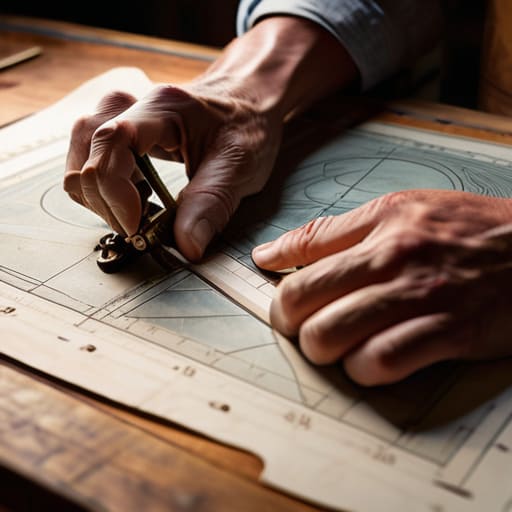
The friction isn’t a bug in the system; it’s the system itself. When I’m sitting at my drafting table, I often find myself staring at a joint or a curve that feels “right,” only to realize it’s a logistical nightmare for the workshop. This is where the tension begins. You start to feel the weight of balancing creativity and profitability, a tug-of-war that happens long before any wood is cut. It’s a quiet, grinding pressure that forces you to negotiate with your own intentions. You aren’t just designing a chair anymore; you are designing a way to survive.
I see this most clearly when a designer tries to pivot toward scaling handmade production. There is a specific kind of heartbreak in realizing that the very detail that made a piece soulful is the same detail that makes it impossible to sell more than three a year. The market acts as a filter, often stripping away the eccentricities that define us, leaving behind something smoother, safer, and ultimately more predictable. We tell ourselves we are making concessions for the sake of artisan business sustainability, but sometimes, we are just sanding down the edges until the soul of the work is gone.
The Ghost of the Rejected Idea and Niche Market Positioning
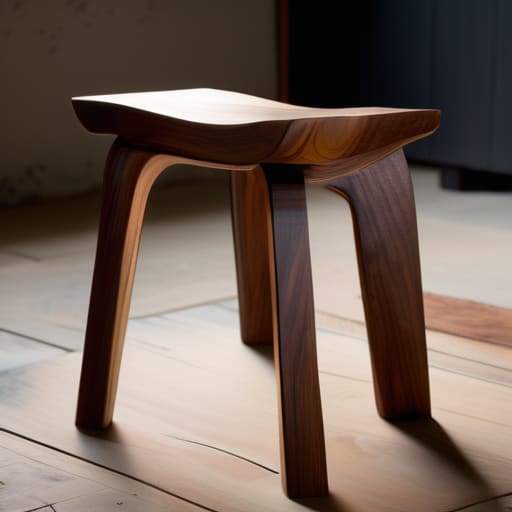
I spent the better part of last Tuesday staring at a prototype of a walnut stool that currently sits in my “graveyard”—a corner of the studio filled with the ghosts of what could have been. It was too radical, too expensive to mill, and frankly, too honest for a showroom floor. This is the quiet tension of niche market positioning for makers; you aren’t just choosing a shape, you are choosing which version of yourself you are willing to let the public see. When you try to scale, you find yourself negotiating with a ghost—the version of the object that was more daring but perhaps less viable.
The danger isn’t in making something profitable; it’s in the slow erosion of the “why” behind the design. We talk a lot about balancing creativity and profitability, but we rarely discuss the psychological cost of that compromise. You start to see the market’s influence not in the things you make, but in the things you stop making. Every time we shave a millimeter off a curve or swap a hand-cut joint for something more repeatable, we are making a silent pact with the consumer, trading a piece of our intent for the sake of survival.
The Cost of the Compromise Balancing Creativity and Profitability
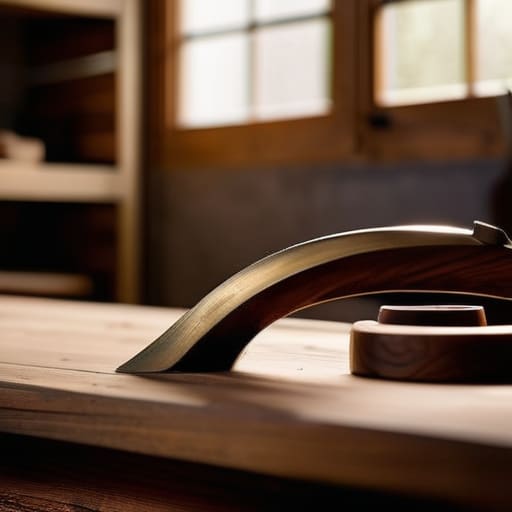
I have a shelf in the corner of my studio dedicated to the “almosts.” There is a chair leg with a curve that was too aggressive for mass production, and a joinery detail that was simply too expensive to justify to a procurement officer. These aren’t failures; they are the physical evidence of the tension inherent in balancing creativity and profitability. When you move from a bespoke commission to a repeatable line, you aren’t just changing your tools; you are negotiating with a ghost. Every time you shave a millimeter off a profile to save on material costs or swap a hand-forged fastener for a standard screw, you are making a silent pact with the market.
The danger isn’t the compromise itself—compromise is how we survive—but the slow erosion of the why behind the work. It is easy to mistake efficiency for evolution. You start by tweaking a design to meet a specific consumer demand for handmade goods, and you end by designing objects that look like they were made by a machine that happened to have a very expensive hobby. The goal is to find that narrow, uncomfortable ledge where the work remains honest even when the margins are thin.
Chasing Consumer Demand for Handmade Goods Without Losing Soul
There is a specific, quiet kind of panic that sets in when you realize your most successful piece—the one that finally stabilized your bank account—is also the one you find most tedious to make. This is the trap of consumer demand for handmade goods. People want the “soul” of a piece, but they often want it in a predictable, repeatable form that mimics the ease of a factory run. I’ve sat at my workbench, looking at a joint I spent weeks perfecting, only to realize that the market doesn’t want the struggle; it wants the aesthetic of the struggle, without the actual irregularity that makes it human.
When you begin scaling handmade production, you aren’t just adding more wood or more ink; you are deciding which parts of your intuition are negotiable. You start to wonder if you can automate the boring bits without sanitizing the spirit of the work. It becomes a delicate dance of artisan business sustainability, where the goal is to keep the lights on without turning your studio into a mere assembly line for someone else’s taste.
The Tension in Scaling Handmade Production for the Masses
I have a shelf in my studio filled with what I call the “almosts”—the chairs with the slightly too ambitious joinery or the lamps with the hand-blown glass that shattered during the third heat cycle. When you talk about scaling handmade production, you aren’t just talking about buying faster saws or hiring more hands; you are talking about the slow, painful process of deciding which soul-defining details are actually essential and which are merely expensive luxuries.
The math of an artisan business sustainability is often a brutal teacher. You start with a vision of a singular, perfect object, but the market demands a version that can be shipped in a standard box and assembled in twenty minutes. It is a constant, exhausting dance of balancing creativity and profitability. You find yourself sanding down the very edges that made the prototype interesting, just so the piece can survive a freight truck or a mid-range price point. It’s not that the craft is being lost, but rather that it is being redistributed—stretched thin to cover a wider surface area of human consumption.
Product Development for Crafters Choosing the Path Not Taken
In my studio, I have a shelf of what I call “the almosts.” They are the chairs with the wrong joinery or the lamps with a silhouette that felt too aggressive. When I approach product development for crafters, I realize that these failures aren’t just clutter; they are the map of my own hesitation. Every time I sit down to sketch a new piece, I am acutely aware of the pull between a radical idea and a sellable one. It’s a constant, quiet struggle of balancing creativity and profitability without letting the ledger dictate the geometry of the wood.
The mistake most of us make is thinking that the “right” path is the one that satisfies the widest possible demographic. But true artisan business sustainability doesn’t come from sanding down your edges until you’re invisible to everyone. It comes from the courage to lean into the very friction that makes a piece difficult. I’ve learned that the most successful designs aren’t the ones that follow every trend, but the ones that honor the decision that nearly went the other way.
Forging Artisan Business Sustainability Through Decisive Refusal
There is a specific kind of exhaustion that comes from saying “yes” to every lucrative whim a client or a trend throws your way. I see it in my own studio, often in the way I look at my shelf of failures. Real artisan business sustainability isn’t built on the accumulation of every possible sale; it is built on the strength of your “no.” When you stop trying to be everything to everyone, you finally find the space to be something specific to a few.
It requires a certain level of discipline to ignore the loud, frantic consumer demand for handmade goods that actually wants something factory-made but with a “rustic” label slapped on it. If you chase that ghost, you aren’t designing anymore; you’re just performing. True longevity comes when you realize that balancing creativity and profitability isn’t a math problem to be solved, but a boundary to be guarded. You have to be willing to let a profitable idea die in the workshop if it threatens the very integrity that made your work worth buying in the first place.
The Invisible Edit
The market isn’t just a buyer; it’s an editor that works in the margins of your sketches, quietly convincing you to sand down the very edges that made the piece worth making in the first place.
Jonathan Marin
The Residue of Choice
Looking back at the mess of sketches and the piles of failed prototypes in the corner of my studio, I realize that the market isn’t just an external force trying to flatten us; it is the very whetstone against which we sharpen our intent. We’ve discussed the friction of scaling, the quiet ache of compromise, and the necessity of saying no to a profitable but hollow trend. Ultimately, the market forces us to confront the most difficult question in design: where does the maker end and the commodity begin? It is in that uncomfortable negotiation between the soul of the object and the reality of the ledger that we actually find our voice. We don’t find it in the easy wins, but in the decisions we fought to keep.
So, when you find yourself staring at a design that feels a little too safe, or a production method that feels a little too efficient, stop. Look for the ghost of the idea you almost abandoned. That tension, that slight resistance to the current of consumer demand, is exactly where the craft lives. Do not fear the market’s pressure, but do not let it become your only architect. Instead, use it to define the boundaries of your own integrity. After all, the most enduring pieces are never just products; they are the physical remains of a hard-won argument between what was easy and what was right.
