Finding the Marks You Missed
I remember sitting on the floor of my first studio, surrounded by the scent of sawdust and the heavy, metallic tang of a failed prototype. I was staring at a walnut chair leg that looked perfect under the shop lights, only to realize the grain alignment was a lie once I ran my thumb across the seam. It was a gut-wrenching moment of realization: I had been looking, but I hadn’t actually been seeing. Most people think quality control is about a checklist or a high-tech gauge, but that’s just industry fluff. For me, learning how I inspect before finishing wasn’t about following a manual; it was about developing a sort of physical intuition that tells you exactly where the design is about to fail.
I’m not here to give you a lecture on theoretical standards or expensive diagnostic tools. Instead, I want to walk you through the messy, tactile reality of my process—the specific, often uncomfortable ways I interrogate a piece before the final coat goes on. I’ll share the mistakes that nearly cost me everything and the unspoken cues that signal a project is actually ready. This isn’t about perfection; it’s about making sure the decisions you made during the build actually hold up when the lights go down.
The Threshold of Regret How I Inspect Before Finishing
I have a shelf in the back of my studio, tucked behind the scrap bins, where the “almosts” live. It’s a graveyard of beautiful failures—chairs with a leg angle that was just a degree too wide, or a tabletop where the grain pattern fought the joinery. When I reach the stage of identifying surface imperfections before the final coat, I’m not just looking for flaws; I’m looking for the moment I almost settled for “good enough.”
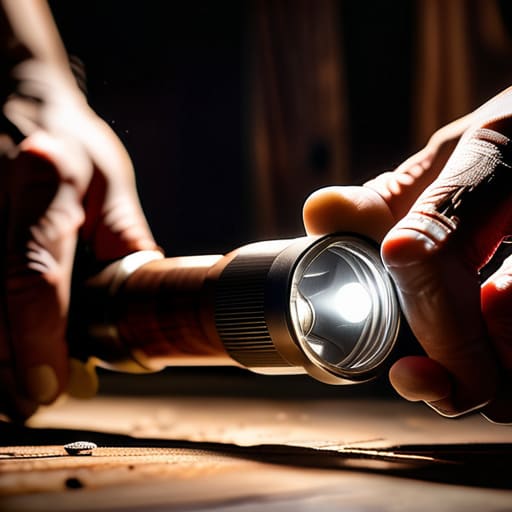
My process isn’t some sterile, corporate manual of final quality check procedures. It’s more of a confrontation. I move the piece under specific, harsh task lamps because standard overhead light is a liar; it hides the very ghosts that a finish will eventually amplify. I run my hands over the wood, feeling for the microscopic ridges that the eyes might miss. It’s a slow, almost meditative ritual of searching for the ghost in the grain. If I find a dip or a scratch now, it’s a lesson. If I find it after the oil has soaked in, it’s a permanent scar on a decision I can no longer undo.
Chasing Shadows Mastering Visual Inspection Lighting Requirements
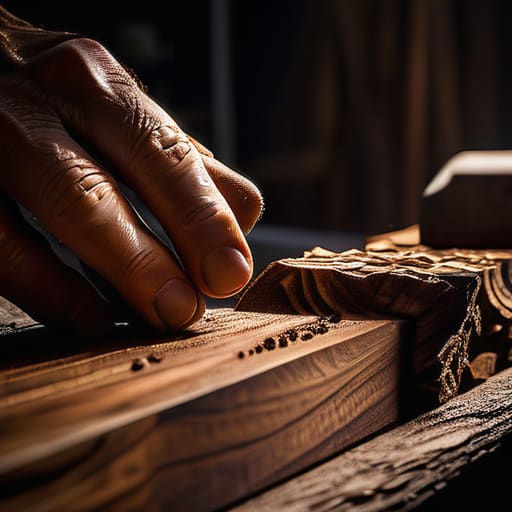
I’ve learned the hard way that you can’t find what you aren’t looking for, and you certainly can’t find it in the flat, forgiving glow of a standard workshop overhead. If I rely on the general shop lights, I’m essentially lying to myself. To truly master surface defect detection, I have to change the environment entirely. I usually move the piece toward the window or set up a dedicated task lamp at an oblique angle. It’s about creating shadows; you need the light to skim across the grain to reveal the tiny, treacherous undulations that a direct light would simply wash away.
This isn’t about following a rigid manual for industry quality standards compliance, though I respect the rigor of those systems. For me, it’s more visceral. I’m looking for the way a light catches a slight dip in a hand-planed surface or the subtle shimmer of a sanding scratch that survived the grit. If the light is too bright, it hides the truth; if it’s too dim, it obscures the reality. I need that specific, directional tension to ensure that what I’m about to seal under a finish is actually finished.
The Ghosts in the Grain Identifying Surface Imperfections

There is a specific kind of heartbreak that comes with a high-build finish. You’ve spent weeks sanding, checking, and re-checking, only to realize that the lacquer has acted like a magnifying glass for a mistake you missed three days ago. I call them “ghosts”—those tiny, microscopic craters or stray fibers that sit just beneath the surface, invisible when the wood is raw but screaming for attention once the sheen hits. Identifying surface imperfections becomes a psychological game at this stage; you aren’t just looking for flaws, you are looking for the things your brain has been trained to ignore.
I’ve learned that a standard pre-completion inspection checklist is useless if your eyes are tired. If I’m scanning a tabletop and I feel a sense of doubt, I stop. I don’t push through. I step back and change my angle entirely. Most people think surface defect detection is about brightness, but it’s actually about shadow play. You have to learn to read the way light breaks across a grain to see if a sanding swirl is hiding in plain sight, waiting to ruin the entire piece the moment it leaves my studio.
The Near Miss Advanced Surface Defect Detection Tactics
I’ve learned that the most dangerous flaws are the ones that hide in plain sight, masquerading as natural character. When I’m running through my pre-completion inspection checklist, I don’t just look for the obvious gouges or sand-throughs. I look for the subtle shifts in texture that suggest a sanding disc was slightly loaded or a grit was skipped. It’s about feeling the transition between the wood and the air. If I catch a microscopic ripple now, it’s a minor correction; if I catch it after the lacquer is cured, it’s a permanent scar.
True surface defect detection requires a certain kind of disciplined paranoia. I often find myself running my hands over the grain in a way that feels almost obsessive, searching for that one moment where the tool stuttered. It isn’t about following a rigid set of industry quality standards compliance—though those have their place in mass production—it’s about a personal accountability to the material. I’m looking for the ghost of a mistake that hasn’t quite materialized yet, ensuring that the final finish honors the wood rather than just masking its flaws.
The Final Line My Pre Completion Inspection Checklist
I don’t use a formal spreadsheet or a sterile list of industry quality standards compliance markers. Those feel too much like the production line side of my career—the part that treats a chair like a unit rather than a piece of work. Instead, my pre-completion inspection checklist is more of a ritual of scrutiny. I start with the joints, not because I’m looking for strength—I know the glue is set—but because I’m looking for the ghost of a misalignment. I run my hands over every seam, feeling for that microscopic dip that tells me a clamp was positioned just a fraction too far to the left.
Then comes the transition to the surface. This is where I move from tactile to purely visual, using specific visual inspection lighting requirements to catch what the naked eye ignores under studio lights. I’m looking for the “almosts”: the sanding swirl that is just barely visible, or the slight unevenness in the oil absorption. It’s a process of looking for the mistakes that almost stayed hidden, ensuring that the final layer of finish doesn’t just seal the wood, but seals a perfect decision.
The Weight of Excellence Final Quality Check Procedures
There is a specific kind of heaviness that sets in when you realize the work is actually done. It isn’t the satisfaction of completion; it’s the sudden, crushing responsibility of the final quality check procedures. Once the oil is applied or the lacquer sets, there is no going back. You can’t “un-finish” a mistake. I find myself standing over the workbench, staring at the piece not as a designer, but as a critic looking for a reason to fail it.
I’ve learned that true excellence isn’t about following a rigid manual of industry quality standards compliance; it’s about a personal refusal to accept “good enough.” I go through my movements almost ritualistically, checking joinery tension and the way light hits the edges. I am looking for that one tiny discrepancy—a slight dip in a plane or a microscopic scratch—that would make the whole object feel dishonest. It is a brutal sort of intimacy with the work, where you must be willing to tear down your own pride to ensure the final result is actually worthy of existing.
Beyond Good Enough Industry Quality Standards Compliance
There is a certain clinical coldness to the phrase industry quality standards compliance. In a production environment, it sounds like a checklist of checkboxes—a way to satisfy a spreadsheet rather than a soul. But after twenty years of moving between my own small studio and high-volume lines, I’ve realized that these standards aren’t just bureaucratic hurdles; they are the guardrails that prevent a lapse in judgment from becoming a permanent failure. When I’m working through my pre-completion inspection checklist, I’m not just looking to see if the piece meets a metric; I’m looking to see if the piece still holds the integrity of the original intent.
Compliance, to me, is about the discipline of not letting “fine” become the enemy of “right.” It is easy to let a minor flaw slide when you are exhausted, telling yourself it won’t be seen under normal light. However, true mastery lies in the refusal to bypass even the smallest protocol. Whether I am refining my surface defect detection or recalibrating my workstation, the goal is to ensure that the standard isn’t just a target we hit, but a baseline we refuse to fall below.
The Cost of the Final Coat
I don’t inspect to find perfection; I inspect to find the moment where I almost let a mistake become permanent. Once the finish hits the wood, the conversation is over, and you’re stuck living with the decisions you were too tired to question.
Jonathan Marin
The Final Decision
At the end of the day, this inspection process isn’t about checking boxes or satisfying some arbitrary industry metric; it is about the quiet, heavy moment of accountability that happens before the lacquer sets or the oil sinks in. We have talked about the lighting, the grain, and the checklists, but none of that matters if you haven’t mastered the ability to look past what you want to see. It is easy to ignore a microscopic divot when you are tired, but my job is to find it. Every step we’ve covered—from the shadows of the workshop to the rigorous final scan—is designed to prevent that one moment where a piece moves from a work of craft to a source of regret.
I often look at my shelf of rejected prototypes, those wooden ghosts of “almost,” and I realize they aren’t failures. They are lessons in what happens when we blink at the wrong time. Design is a series of constraints, yes, but the ultimate freedom comes from knowing exactly where your standards lie. When you finally step back from the workbench, I hope you aren’t just looking at a finished object, but at the integrity of your own choices. The most beautiful thing you can leave behind isn’t just a flawless surface, but the knowledge that you didn’t settle when it would have been easier to look away.
