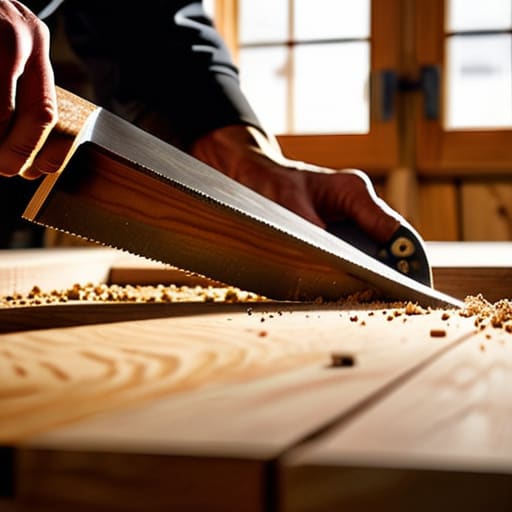
Changing Your Mind With the Timber Cut
I was staring at a half-finished walnut sideboard last Tuesday, the scent of sawdust and stale coffee hanging heavy in the studio, when I realized the leg joinery I’d spent three weeks perfecting was fundamentally wrong. It wasn’t just a technical error; it was a failure of vision. Most people treat a blueprint like a sacred text, believing that knowing how to change a design mid build is a sign of amateurism or, worse, a lack of discipline. They tell you to stick to the plan, to honor the initial intent at all costs. But I’ve always found that the most honest part of a piece of furniture isn’t the part that went according to the CAD drawing—it’s the moment you realize the drawing was a lie.
I’m not here to give you a lecture on project management or how to mitigate risk through better software. Instead, I want to talk about the messy, tactile reality of pivoting when the material starts talking back. I’ll share what I’ve learned from twenty years of making mistakes, focusing on how to recognize a necessary pivot versus a moment of mere indecision. This isn’t about perfection; it’s about the courage to abandon a good idea for a great one.
The Beautiful Friction of How to Change a Design Mid Build
There is a specific kind of tension that arises when the wood grain refuses to cooperate with the CAD model. In my studio, I’ve learned that this isn’t a failure of the plan, but rather the material finally speaking back. This is where the design iteration process moves from the clean, digital world into the messy, physical one. It’s a moment of friction—the gap between what I intended and what the reality of the timber is demanding.
The danger, of course, is losing sight of the original intent. It is incredibly easy to fall into the trap of managing scope creep under the guise of “improving” the piece, only to end up with a heavy, incoherent object that lacks a clear soul. I often find myself staring at a pile of rejected offcuts, remembering the exact moment a pivot felt like a mistake. But true craftsmanship requires a delicate balancing of flexibility and structure. You have to know when to yield to the grain and when to hold the line, ensuring the change serves the object rather than just feeding an endless cycle of indecision.
The Design Iteration Process Embracing the Second Thought
There is a specific kind of vertigo that hits when you realize the blueprint in your hand is lying to you. You’re halfway through a build, the sawdust is settling, and suddenly the proportions feel wrong—not just slightly off, but fundamentally dishonest. This is where the design iteration process stops being a theoretical concept in a textbook and becomes a visceral, physical struggle. I’ve spent many evenings in the studio staring at a joint that refuses to seat properly, realizing that the error wasn’t in the execution, but in the initial assumption.
The temptation is always to push through, to force the material to obey the original plan just to avoid the headache of starting over. But forcing a design is how you end up with furniture that feels labored rather than lived-in. True craftsmanship requires balancing flexibility and structure; you need enough discipline to finish the piece, but enough humility to admit when the wood is telling you something different. It isn’t about losing control; it’s about recognizing that the most honest version of an object often emerges from the wreckage of the first idea.
Navigating the Cost of Design Revisions Without Regret
There is a specific kind of dread that settles in your stomach when you realize the dovetails aren’t going to meet the way the sketches promised. It’s the realization that a pivot isn’t just a creative choice; it’s a literal drain on your materials and your time. I’ve spent many late nights staring at a pile of expensive walnut scraps, calculating the cost of design revisions in both dollars and sheer frustration. You start to wonder if you’re actually improving the piece or if you’re simply falling victim to the siren song of perfectionism.
The trick isn’t to avoid the change, but to master balancing flexibility and structure. If you don’t have a framework, a simple adjustment to a chair leg can spiral into a complete overhaul of the entire silhouette—that’s where the danger of uncontrolled scope creep lives. I’ve learned to treat my budget and my material list as rigid boundaries. When a change is necessary, it has to earn its keep by proving it makes the object fundamentally better, not just slightly different.
Project Pivot Strategies When the Original Plan Fails
When a build starts to drift, you have to decide if you’re correcting a mistake or merely succumbing to a whim. I’ve spent many afternoons in my shop staring at a joint that simply refuses to sit right, or a silhouette that looks heavy once the sawdust settles. This is where project pivot strategies move from theory to survival. You can’t just keep forcing the material to obey a dead idea; that’s how you end up with a piece of expensive firewood. You have to look at the failure not as a setback, but as the material itself telling you what it actually wants to be.
The real danger here isn’t the change itself, but the slow bleed of managing scope creep. It starts with one small adjustment to a leg taper or a drawer slide, and before you know it, the entire geometry of the piece has shifted. You need a way of balancing flexibility and structure so that the pivot feels like an evolution rather than a collapse. I tend to step back, look at my pile of rejected prototypes, and ask: is this change serving the object, or is it just my ego trying to fix a perceived flaw?
Managing Scope Creep the Fine Line of Creative Expansion
There is a specific kind of vertigo that sets in when a project begins to grow legs of its own. I call it the “just one more thing” trap. You’re halfway through milling a walnut tabletop, and suddenly, you aren’t just thinking about the grain direction; you’re wondering if a tapered leg would add a certain lightness, or if a brass inlay might bridge the gap between the wood and the upholstery. This is the danger of managing scope creep; it rarely arrives as a sudden catastrophe, but rather as a series of small, seductive whispers that threaten to derail the original intent.
The trick, I’ve found after twenty years of sawdust and failed joinery, is balancing flexibility and structure. If you treat every new idea as a mandate, you end up with a Frankenstein’s monster of a piece—an object that lacks a cohesive soul because it tried to be everything to everyone. You have to learn to distinguish between a genuine design evolution and mere indecision. A pivot is a strategic move toward a better truth; scope creep is just a slow leak that drains the project of its focus.
Balancing Flexibility and Structure in a Shifting Vision
I have a shelf in my studio—a graveyard of bent plywood and failed joinery—where I keep every prototype that didn’t make the cut. Looking at them, I’m reminded that the hardest part of the job isn’t the initial sketch, but the tension of balancing flexibility and structure once the sawdust starts flying. If you are too rigid, you end up with a piece that is technically perfect but spiritually hollow. If you are too fluid, you fall victim to the chaos of endless tinkering.
The trick is knowing which constraints are sacred and which are merely suggestions. When I’m deep in the design iteration process, I try to distinguish between a genuine structural necessity and a fleeting whim. A true pivot is driven by a discovery in the material—the grain of a walnut slab telling you the leg shouldn’t be straight—whereas a bad pivot is just an inability to commit. You have to guard against the impact of mid-project changes that serve only to mask a lack of direction. True craftsmanship requires the discipline to stay the course, even when the original vision starts to feel a little too safe.
The Impact of Mid Project Changes on the Final Soul
There is a specific kind of ghost that haunts a piece of furniture. I see it in my studio all the time—the shadow of the chair that was supposed to have tapered legs, or the table that was meant to be walnut before the grain dictated otherwise. When we talk about the impact of mid-project changes, we often focus on the logistics: the wasted timber, the extra hours, the headache of a new CAD file. But we rarely talk about the metaphysical shift. A design that survives a pivot feels different; it possesses a certain earned weight that a design born from a perfect, uninterrupted plan simply lacks.
When you are balancing flexibility and structure, you aren’t just managing a budget; you are negotiating with the material itself. A piece that has been forced to adapt to a mistake or a sudden realization feels more honest. It stops being a theoretical exercise in geometry and starts being a conversation between the maker and the object. The final soul of the work isn’t found in the initial sketch, but in the scars left by the decisions that forced us to change course.
## The Ghost in the Prototype
“I keep a shelf of failed joints and rejected silhouettes in my studio, not as trophies of error, but as a ledger of intuition. Most people think a design is a straight line from sketch to assembly, but the truth is found in the pivot—that split second where you realize the wood is telling you something your CAD model never could, and you have the guts to listen.”
Jonathan Marin
The Weight of the Final Cut
Ultimately, changing course mid-build isn’t about a lack of discipline or a failure to plan; it is about the courage to listen to the material as it exists in front of you. We’ve looked at how to navigate the friction of the pivot, how to manage the creeping costs of a shifting scope, and how to protect the soul of the piece when the original blueprint starts to feel like a lie. It is a delicate dance between the rigor of the initial concept and the messy, unpredictable reality of construction. If you can learn to view these revisions not as errors, but as necessary corrections toward truth, you stop fighting the process and start participating in it.
I often look at the graveyard of rejected prototypes in the corner of my studio—the ones with the handwritten notes taped to their sides. They aren’t failures; they are the ghosts of the decisions that paved the way for the successes sitting on the showroom floor. Design is rarely a straight line from a sketch to a finished object; it is a series of course corrections made in the heat of the moment. Don’t be afraid to scrap the plan if the object demands it. After all, the most profound beauty in any piece of furniture usually resides in the decision that nearly went the other way.
