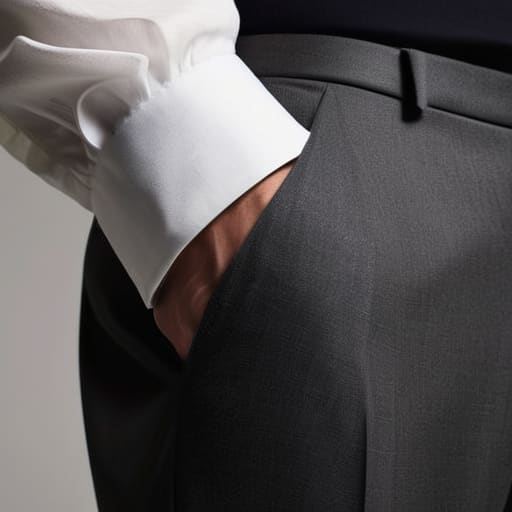
A Taper That Makes a Leg Look Lighter
I have a shelf in my studio dedicated entirely to failures—stubs, tapered limbs, and awkward geometric experiments that never made it to a client’s floor. Most design textbooks will try to teach you how to design a leg by focusing on sweeping gestures or “visual weight,” as if a piece of furniture is a sculpture meant to be viewed from a distance. But they forget that a leg isn’t just an aesthetic choice; it is a brutal negotiation between gravity and material. I spent most of my thirties realizing that the most elegant solution is rarely the most inspired one—it’s usually just the one that stops fighting the physics of the joint.
I’m not here to talk about “finding your style” or chasing fleeting trends. Instead, I want to walk you through the actual, messy mechanics of the process: the structural constraints, the joinery decisions, and the moments where a design almost falls apart. I’ll share the hard-won lessons from twenty years of production lines to show you that the real mastery lies in the constraints you choose to accept. This isn’t about inspiration; it’s about the discipline of making a thing that actually stands up.
The Ghost of the Other Choice How to Design a Leg
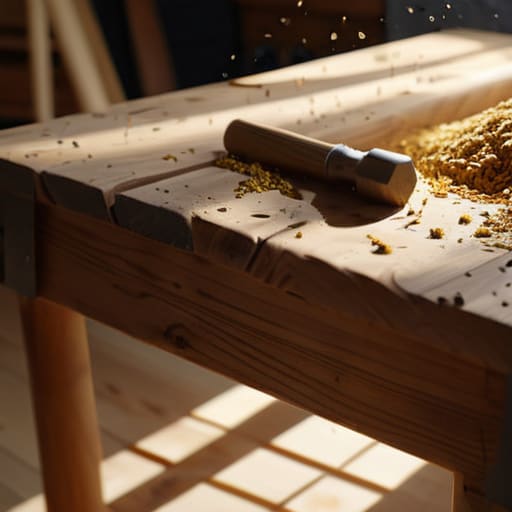
I have a shelf in the back of my studio, tucked behind the wood shavings and the scent of linseed oil, dedicated entirely to the things that failed. It’s a graveyard of joinery and bad geometry. When I’m working on a new piece, I don’t just look at the final sketch; I look at the ghost of the version I discarded. Designing a support structure is rarely about finding the “correct” line—it’s about negotiating with the version of the object that almost existed.
Take the taper of a dining chair leg, for instance. I spent a week wrestling with a heavy, brutalist block, convinced it offered the necessary stability. But as I worked, I kept seeing the phantom of a much more slender, tapered silhouette. I found myself obsessing over lower body silhouette optimization, trying to figure out if a slimmer profile would compromise the visual weight of the tabletop. I eventually chose the sturdier path, but the memory of that lighter, more elegant curve still haunts the piece. Every time I look at the finished product, I don’t see the wood; I see the decision that nearly went the other way.
The Tension Between Quadriceps and Hamstring Development
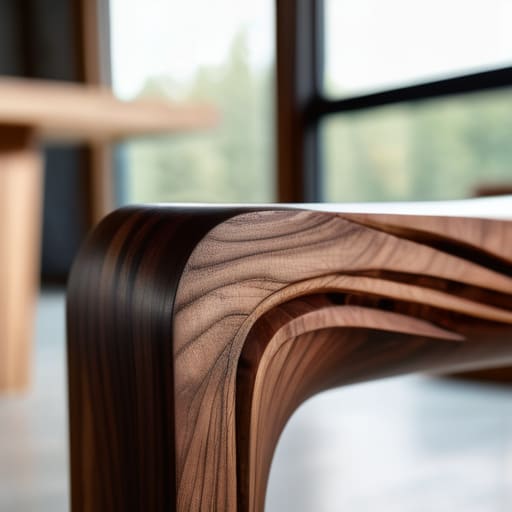
I spent most of last Tuesday looking at a rejected walnut prototype—a chair leg that was far too aggressive, far too “muscular.” In my studio, I find myself constantly wrestling with the same internal conflict I see in anatomy: the tension between quadriceps and hamstring development. When you’re sculpting a silhouette, there is a constant pull between the forward-leaning strength of the front and the tapered, supportive grace of the back. If you lean too hard into the former, the piece looks braced and defensive; if you favor the latter, it feels fragile, as if it might buckle under its own weight.
It’s a delicate game of lower body muscle proportions. You can’t just add mass where it looks “strong”; you have to understand how the shadow falls. I’ve learned that true aesthetic leg sculpting isn’t about the volume of the wood, but about how the taper suggests a specific kind of tension. You are essentially trying to trick the eye into seeing movement in a static object, balancing that perceived muscularity so the piece feels alive rather than just heavy.
The Near Miss Mastering Lower Body Muscle Proportions
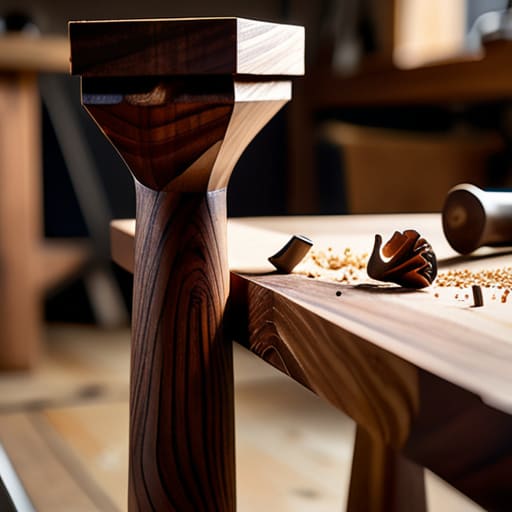
I have a shelf in the back of my studio dedicated to what I call the “failures of intent.” There is a walnut stool leg sitting there right now, carved with an aggressive, tapering swell that looked magnificent on paper but felt entirely wrong once it met the floor. It lacked the necessary balance between the upper mass and the terminal point. This is the central struggle of aesthetic leg sculpting: finding that precise, often invisible line where the weight of the material doesn’t feel like it’s about to collapse under its own vanity.
When I approach the task of refining the lower body silhouette optimization, I find myself obsessing over the transition points. It is easy to make a leg look strong, but it is much harder to make it look composed. I often find myself caught in a loop of micro-adjustments, trying to reconcile the heavy visual pull of the upper section with the leaner, more architectural taper of the ankle. It’s a delicate game of managing visual tension, ensuring that the muscle definition techniques I apply to the wood don’t result in a shape that feels disjointed or anatomically confused.
Sculpting the Silhouette a Study in Aesthetic Leg Sculpting
I’ve spent many late nights in the studio, surrounded by a graveyard of rejected wooden limbs, wondering if I had missed the mark on the visual weight of a piece. When you move from the structural math of muscle groups to the actual aesthetic leg sculpting, you realize you aren’t just building a support; you are managing a silhouette. It’s a delicate game of light and shadow. If the taper is too aggressive, the piece looks fragile, almost nervous. If it’s too blunt, it loses its grace and becomes merely functional, a heavy block of wood that refuses to breathe.
The trick lies in how you handle the transition between the upper and lower volumes. I often find myself obsessing over the subtle swell of the thigh—that moment where the form must suggest strength without appearing bulky. Achieving true lower body silhouette optimization requires an understanding of where the eye expects a curve to end and a straight line to begin. It’s about that tension between the perceived mass and the negative space around it. Sometimes, the most successful design is the one that almost looked too heavy, but was saved by a single, decisive shave of the plane.
The Pivot Point of Leg Shape Anatomy
There is a specific, almost violent moment in the drafting process where the geometry stops being a collection of lines and starts becoming a weight. I call it the pivot point. It’s that split second where you realize that if you shave just two millimeters off the lateral sweep of the thigh, the entire lower body silhouette optimization fails. You aren’t just drawing a shape anymore; you are negotiating with gravity. I remember a walnut stool prototype sitting in my “graveyard” corner—the one where I keep every failure—that failed precisely because I tried to be too clever with the taper. I thought I was being elegant, but I was actually just making the piece look fragile, like it might snap under the slightest human pressure.
When you are deep into the nuances of leg shape anatomy, you realize that balance isn’t about symmetry; it’s about the tension between opposing forces. You have to find the exact junction where the mass of the upper thigh gives way to the taper of the calf. If you lean too hard into the muscularity, it looks like a heavy industrial component; if you pull back too far, it loses its structural soul. It is a constant, exhausting dance of calculated restraint.
Refining the Edge Through Muscle Definition Techniques
I have a shelf in the back of my studio filled with failed joinery samples—slabs of walnut and oak that were “too aggressive” or “too timid.” I look at them now and realize that refinement isn’t about adding more; it’s about the surgical removal of excess. When I think about muscle definition techniques, I don’t think about bulk. I think about the way light catches a ridge. In furniture, as in anatomy, the “edge” is where the shadow lives. If you smooth everything out, you lose the soul of the piece. You end up with something that looks like it was poured from a mold rather than shaped by a hand.
The trick to true aesthetic leg sculpting lies in the transition points. It is easy to make a shape look strong, but it is incredibly difficult to make it look intentional. I find myself obsessing over the subtle taper where the thigh meets the knee, trying to find that exact moment where the volume yields to the structure. It’s a constant negotiation between the mass of the form and the clarity of its lines. If you get the transition wrong, the whole silhouette collapses into something heavy and uninspired.
The Final Compromise Lower Body Silhouette Optimization
I have a shelf in the corner of my studio dedicated to the “almosts.” It is a graveyard of bent plywood and failed joinery, each piece tagged with a note about the exact moment the logic failed. This process of lower body silhouette optimization feels remarkably similar. You reach a point where the mathematical perfection of the proportions begins to feel sterile, almost clinical. You’ve balanced the quadriceps and hamstring development so precisely that the object no longer looks like it was made by a human hand, but rather spat out by a CAD program.
The real work begins when you decide to break that symmetry. I spent most of last Tuesday wrestling with a tapered transition that felt too aggressive, nearly discarding the entire prototype because I couldn’t find the middle ground between strength and elegance. It is a delicate dance of aesthetic leg sculpting—knowing when to lean into the structural necessity and when to introduce a subtle, intentional imperfection. The goal isn’t to achieve a textbook ideal, but to find that specific tension where the form feels inevitable, even if it was the very last decision you almost didn’t make.
The Weight of the Unchosen Line
When I’m looking at a leg—whether it’s a tapered timber support or a study in anatomical proportion—I’m never really looking at what’s there. I’m looking for the ghost of the alternative. A design only feels honest when you can sense the tension of the curve that almost was, the silhouette that was rejected because it was too easy, or the joint that nearly failed the eye. We don’t design by adding beauty; we design by surviving the decisions that almost went the wrong way.
Jonathan Marin
The Weight of the Final Cut
Looking back at the process, designing a leg—whether it’s a structural support for a chair or a study in anatomical form—is never about finding a single “correct” answer. It is a relentless negotiation between the tension of the muscle groups, the pivot of the joint, and the unforgiving reality of the silhouette. We’ve moved through the technicalities of proportion and the delicate sculpting of edges, but what remains is the realization that every line we commit to is a rejection of a thousand other possibilities. You cannot achieve balance without acknowledging the structural ghosts of the shapes you decided not to use.
In the end, my studio is filled with these ghosts: the rejected prototypes that sit on my shelves, each one a testament to a choice that almost was. I’ve learned that a truly successful design doesn’t just look right; it feels like a hard-won victory over indecision. Don’t be afraid of the mistakes you narrowly avoided, and don’t fear the compromises that bring a piece to life. The beauty isn’t in the perfection of the final object, but in the quiet, heavy knowledge of the decisions that nearly went the other way.
