The Material Decides More Than the Drawing
I spent three weeks in 1998 obsessing over the silhouette of a walnut lounge chair, tweaking the rake of the backrest by mere millimeters until my eyes blurred. I thought I was chasing perfection, but the moment I finally sat in it, the whole thing felt hollow. The shape was a lie; I had designed a beautiful ghost that lacked the physical gravity to actually exist in a room. It’s the great deception of design school—the idea that if you get the geometry right, the soul will follow. But after twenty years of watching production lines fail and prototypes rot in my studio, I’ve realized that why material matters more than form isn’t some abstract theory; it’s the difference between an heirloom and a piece of expensive trash.
I’m not here to talk about aesthetics or the “spirit of design” in some lofty, untouchable sense. I want to talk about the friction of reality—the way grain density dictates a joint’s longevity or how a specific weight changes the way a person leans into a task. I’m going to share the hard-won lessons from my scrap heap to show you why the substance is the only thing that actually holds the design together.
The Beautiful Near Miss Why Material Matters More Than Form
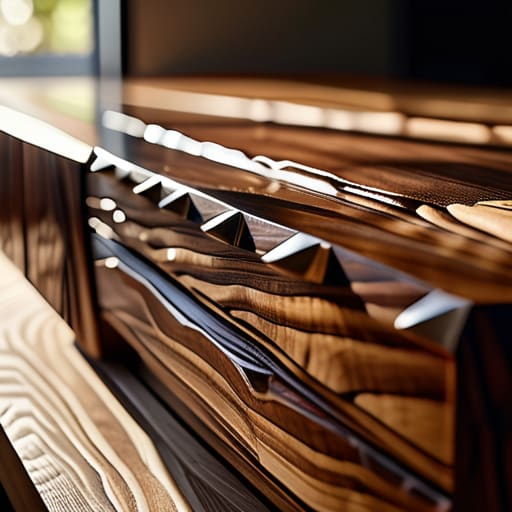
I remember a walnut sideboard I spent six months prototyping back in my early studio days. The silhouette was perfect—sleek, mid-century, almost mathematically precise. But when I finally ran my hand over the grain of the final slab, the form felt hollow. The shape was shouting, but the wood was whispering something entirely different. I nearly scrapped the whole design because the tactile vs visual aesthetics were at war; the eyes saw a masterpiece, but the hands felt a lie.
In my workshop, I’ve learned that a shape is just a suggestion, but the substance is the argument. You can refine a curve until it’s flawless, yet if you haven’t respected the truth to materials philosophy, the object will always feel like a costume. I have a shelf in the back of the studio filled with these failures—beautifully shaped pieces that lacked soul because the material was forced to perform a role it wasn’t built for. It’s that friction, that moment where the grain dictates the edge, that creates aesthetic honesty in craftsmanship. The best designs aren’t the ones that impose a shape, but the ones that allow the material to finish the thought.
Beyond the Surface the Truth to Materials Philosophy
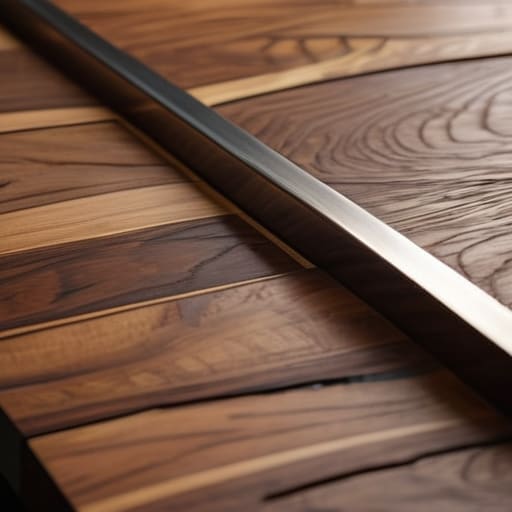
I spent a good portion of my thirties trying to hide the grain of walnut under layers of lacquer, thinking I could “perfect” the surface. It was a mistake. I was chasing a visual ideal that ignored the inherent character of the wood. Now, I find myself leaning back into the truth to materials philosophy—the idea that a piece shouldn’t pretend to be something it isn’t. If a joint is heavy or a steel frame is unapologetically industrial, let it be so. There is a certain exhaustion that comes with trying to force a material to behave against its nature.
When I sit at my letterpress, I’m reminded that the tactile vs visual aesthetics aren’t two separate battles; they are the same fight. You can design a chair that looks like a masterpiece in a sterile render, but the moment a hand touches the edge, the lie is exposed. If the texture feels dishonest, the entire object collapses in the user’s mind. I’ve learned that aesthetic honesty in craftsmanship isn’t about being blunt or unrefined; it’s about respecting the structural integrity and substance enough to let the material tell its own story.
The Deception of Shape and the Weight of Substance
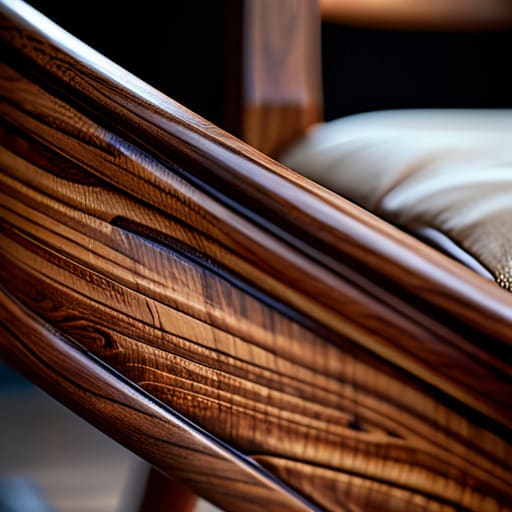
We often fall into the trap of designing for the eye first, chasing a silhouette that looks striking in a CAD render or a sterile studio photograph. But a shape is a lie if it isn’t supported by something real. I’ve spent too many afternoons staring at a chair frame that looked mathematically perfect on screen, only to realize it felt hollow the moment I touched it. This is the fundamental tension between tactile vs visual aesthetics; you can trick a camera with a clever curve, but you cannot trick the hand.
When I’m working through a new prototype, I find myself constantly fighting the urge to let the geometry dictate the piece. A beautiful line is useless if it lacks the structural integrity and substance to hold its own weight over time. I keep a drawer full of failed joinery and thin-walled castings for this exact reason. They looked “right” in the sketches, but they lacked the gravity required to feel permanent. Design isn’t just about the outline we draw; it’s about the refusal to let a pretty shape mask a lack of depth.
Tactile vs Visual Aesthetics the Ghost in the Machine
We spend so much of our professional lives chasing the perfect silhouette, obsessed with how a shadow falls across a curve or how a line meets a corner. But there is a profound disconnect that happens when a piece looks flawless on a screen yet feels hollow in the hand. This is the friction between tactile vs visual aesthetics; the eye is easily fooled by a clever contour, but the skin is a much more honest critic. I’ve spent many afternoons in my studio running my hands over pieces that looked mathematically perfect but lacked any real sensory experience of textures. They felt clinical, like something birthed in a vacuum rather than a workshop.
When you finally hit that sweet spot—where the grain of the walnut or the cool weight of cast aluminum meets the palm—you realize that shape is just the invitation, but the material is the conversation. A chair might have a stunning profile, but if the surface doesn’t communicate its own history through touch, it remains a ghost. True aesthetic honesty in craftsmanship lives in that moment when the physical reality of the object justifies its visual promise, rather than just masking it.
Finding Aesthetic Honesty in Craftsmanship and Intent
I spent three weeks last autumn trying to force a certain walnut grain to behave under a CNC router, fighting the wood as if it were an adversary rather than a partner. I was obsessed with a specific silhouette, a sharp, aggressive line that looked incredible on my CAD screen but felt fundamentally wrong once the shavings hit the floor. That’s the trap of modern design: we fall in love with the geometry before we’ve even shook hands with the substance. When you finally stop trying to bend a material to your ego and instead listen to what it wants to do, you find a level of aesthetic honesty in craftsmanship that no amount of clever shaping can replicate.
It’s a quiet realization, usually occurring in the middle of a mistake. You realize that the sensory experience of textures—the way a hand rests on a sanded edge or how light catches a natural fissure—carries more weight than the silhouette itself. If the intent isn’t rooted in the physical reality of the medium, the object becomes a lie. It might look right from a distance, but the moment someone interacts with it, the deception collapses. True design isn’t about imposing a shape; it’s about the integrity of the encounter.
Architectural Design and the Sensory Experience of Textures
When I walk through a space, I find myself less interested in the sweeping curves of a silhouette and more preoccupied with how a surface meets my hand. Architecture, at its best, isn’t just a series of visual landmarks; it is a continuous sensory experience of textures that dictates how we inhabit a room. You can design the most mathematically perfect atrium in the world, but if the concrete feels cold and lifeless rather than grounded and rhythmic, the human connection is lost.
I often think about the tension between the blueprint and the touch. There is a profound difference between a wall that looks like stone in a render and a wall that actually carries the grit and temperature of real masonry. This is where materiality in architectural design stops being an abstract concept and becomes a lived reality. It’s about that split second when you brush against a hand-finished timber handrail and realize the building isn’t just a shell—it’s a physical dialogue. When we prioritize the grain, the weight, and the thermal reality of a surface, we move past mere decoration and into something much more permanent.
The Final Decision Prioritizing Structural Integrity and Substance
I have a shelf in the back of my studio, tucked behind the rolls of drafting paper, filled with what I call my “ghosts.” These are the joints that failed, the legs that bowed under too much weight, and the laminates that peeled before the glue even set. In my early years, I thought a beautiful silhouette could mask a structural lie. I thought if the line was elegant enough, the user wouldn’t notice the hollow core. But design isn’t a magic trick; it’s a negotiation with gravity.
When we talk about structural integrity and substance, we aren’t just talking about whether a chair collapses. We are talking about the quiet confidence a piece radiates when it is built to endure. There is a specific kind of aesthetic honesty in craftsmanship that emerges when the skeleton of an object is as considered as its skin. If you prioritize the silhouette over the grain, you eventually end up with a beautiful corpse—something that looks right in a photograph but feels fundamentally dishonest the moment you lean into it. The real work happens in that tension between what we want to see and what the physics actually allow.
The Ghost of the Rejected Choice
I have a shelf in the back of my studio filled with failed joints and warped slabs, each one a monument to a moment where I almost chose the easy silhouette over the difficult truth of the grain. We obsess over the silhouette because it’s easy to see in a sketch, but a shape is just a temporary arrangement of space; it is the material that decides how the object will age, how it will fail, and ultimately, whether it is worth keeping.
Jonathan Marin
The Residue of Choice
Looking back at the stacks of rejected prototypes in my studio, I realize that form is often just the easiest thing to solve. It is the math of the silhouette, the immediate gratification of a pleasing curve. But material—that is where the real struggle lives. It is the tension between the grain of the walnut and the intended sweep of a chair leg; it is the way a heavy casting refuses to behave like a light extrusion. We spend so much time chasing the perfect shape, yet we forget that shape is a temporary illusion if the substance beneath it lacks integrity. A beautiful form can hide a hollow soul, but a well-chosen material commands respect through its very existence, long after the initial visual novelty has faded.
In the end, my work isn’t about achieving a specific aesthetic, but about honoring the constraints that the medium imposes on me. When I sit at my letterpress or stand over a workbench, I am reminded that the most profound designs aren’t the ones that look perfect on a screen, but the ones that feel inevitable in the hand. We must stop designing for the eye alone and start designing for the weight, the temperature, and the truth of the object. Because when the trends shift and the silhouettes become dated, it is the substance of the decision that remains. Build for the tactile reality, not just the visual ghost.
