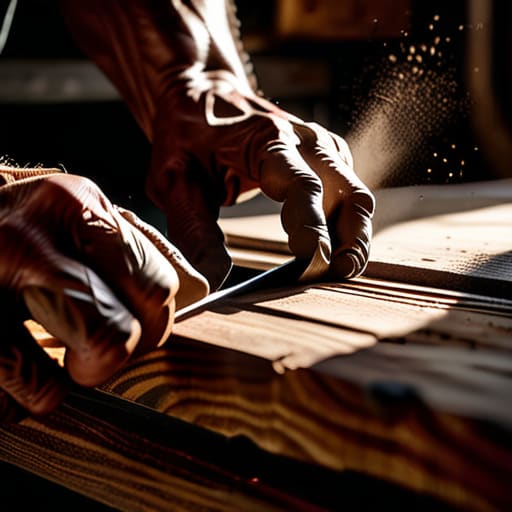
Wood Does Not Negotiate
I spent most of my twenties in studios where “inspiration” was a buzzword used to justify expensive, aimless wandering. People love to romanticize the craft, claiming that what working with wood teaches is some sort of spiritual enlightenment or a way to “find yourself” in the grain. It’s a lovely sentiment for a coffee table book, but it’s largely nonsense. In reality, the wood doesn’t care about your soul; it cares about moisture content, grain direction, and the fact that you just miscalculated a mortise by a fraction of a millimeter.
I’m not here to sell you on the Zen of the chisel or any other lofty, unearned mysticism. Instead, I want to talk about the friction—the actual, gritty process of making decisions under pressure. I’m going to share what working with wood teaches when the plan fails and you’re left standing over a pile of expensive walnut. We’ll look at the value of the pivot and why the most important part of any piece isn’t the perfection of the finish, but the moment of error that forced you to actually think like a designer.
The Elegance of the Near Miss What Working With Wood Teaches
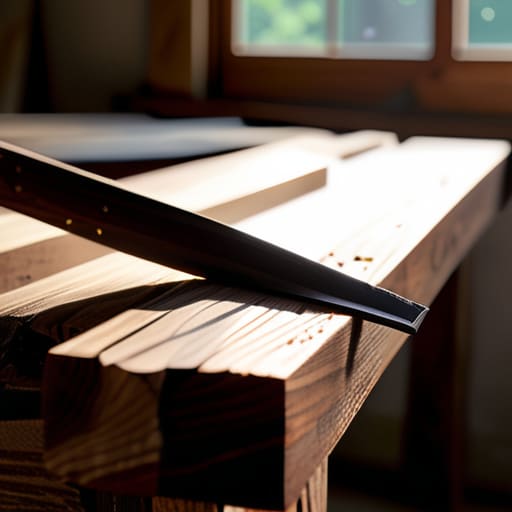
I have a shelf in the back of my studio dedicated to what I call the “graveyard of good intentions.” It’s filled with dovetails that were a hair too loose and walnut slabs that split just as the chisel hit home. Most people see these as failures, but to me, they are the most honest parts of my practice. There is a specific kind of craftsmanship and character building that only happens when you are staring at a piece of timber that refuses to do what you planned. You can’t fake your way through a mistake; the wood doesn’t care about your ego or your deadline.
When I’m working with a hand plane, I find that the tension of the task forces a certain meditative focus that I rarely find in the digital world of CAD. It isn’t the soft, fuzzy version of relaxation people often talk about; it’s a sharp, narrow kind of presence. You aren’t just passing time; you are negotiating with a living material. This developing discipline through woodworking means learning to respect the grain rather than trying to bully it into submission. The real skill isn’t in the perfect cut, but in how you respond when the wood decides to go its own way.
The Meditative Nature of Hand Tools and Quiet Intent
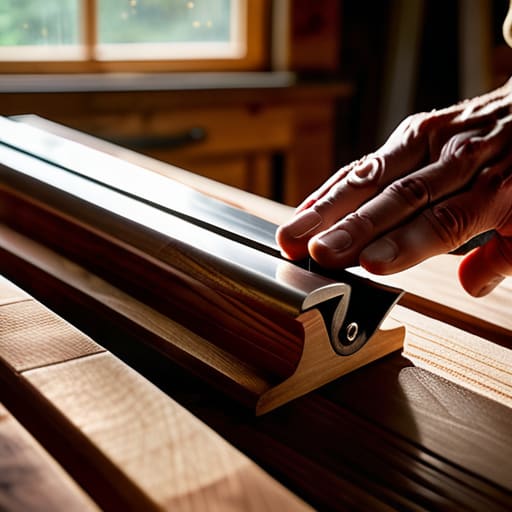
There is a specific kind of silence that only exists when you are halfway through a long session with a hand plane. It isn’t the absence of sound—the rhythmic shuck-shuck of steel against grain is quite loud, actually—but rather the absence of mental clutter. When I’m working a piece of cherry, the world outside my studio stops demanding things from me. I find that the meditative nature of hand tools forces a shift in my internal tempo; you cannot rush a sharp edge, and you certainly cannot argue with a dull one.
It’s a physical negotiation. You aren’t just shaping a surface; you are practicing a form of quiet intent. If my mind drifts toward a client email or a looming deadline, the tool tells me immediately. The shaving becomes uneven, or I feel the blade catch. This is where I find a strange sort of developing discipline through woodworking that no digital CAD program could ever replicate. It is the requirement to be present, entirely and uncomfortably, in the exact millisecond the steel meets the wood.
Craftsmanship and Character Building Through the Grain
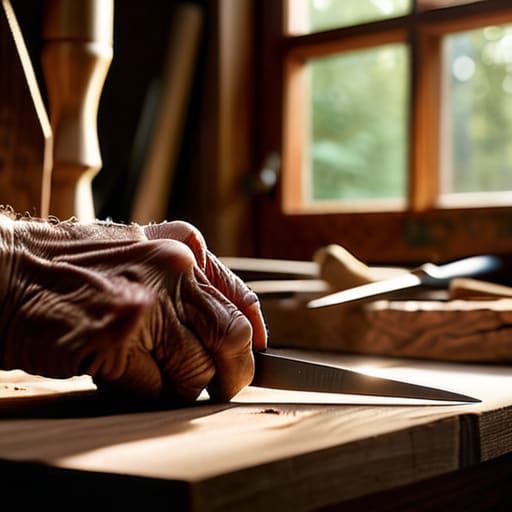
There is a specific kind of humility that comes when you realize the wood is actually in charge. I spent years in industrial design thinking I could dictate every millimeter of a piece, but a stubborn piece of walnut has a way of reminding you that you are merely a guest in its process. You can plan a joinery layout until the paper is blue, but once the chisel meets the grain, the material begins to speak back. This is where craftsmanship and character building actually happen—not in the moments where everything goes according to the CAD drawing, but in the friction between your intent and the wood’s reality.
It forces a certain kind of patience that is hard to find in a digital workflow. When a knot interrupts a clean line, you can’t just hit undo; you have to sit with it, assess the damage, and decide if the flaw is a failure or a new direction. I’ve found that developing discipline through woodworking is less about the precision of the cut and more about the composure you maintain when the grain tears unexpectedly. You learn to stop fighting the material and start negotiating with it.
Finding Mindfulness in Woodworking Amidst the Sawdust
There is a specific kind of silence that settles in a workshop, even when the planer is screaming. It isn’t a lack of noise, but rather a narrowing of the world until the only thing that exists is the relationship between the steel edge and the fiber. I’ve found that developing discipline through woodworking isn’t about the grand gestures of a finished piece, but the ability to stay present when a knot threatens to derail a long, clean shave. You can’t inhabit the future or regret the last cut while you’re mid-stroke; the wood demands you occupy the immediate, physical now.
I often think of woodworking as therapy, though perhaps that’s too clinical a term for what it actually feels like. It’s more like a forced recalibration. When the sawdust begins to coat everything, the mental clutter of production deadlines and client revisions seems to lose its edge. You aren’t just shaping a chair or a joint; you are practicing a form of mindfulness in woodworking that requires a total surrender to the material’s temperament. In those moments, the mistakes aren’t failures—they are simply the price of being truly awake.
Learning From Mistakes in Carpentry the Better Path Taken
I have a shelf in my studio dedicated to the “almosts.” It’s a graveyard of joinery that failed or dimensions that were a hair too ambitious. Most people see a mistake as a loss of time, but after twenty years, I’ve come to see it as a necessary pivot. There is a specific kind of developing discipline through woodworking that only happens when you realize you’ve just ruined a piece of expensive walnut. You can’t panic; you can only look at the error, accept the new reality of the material, and find the path forward that honors what is left.
This process of learning from mistakes in carpentry isn’t about perfectionism—it’s about the redirection. When a chisel slips or a grain direction turns unexpectedly stubborn, you are forced to stop following the blueprint and start listening to the wood. It’s a humbling, tactile lesson in humility. You learn that the most resilient designs aren’t the ones that went perfectly according to plan, but the ones that were reconstructed from the wreckage of a bad decision.
Developing Discipline Through Woodworking and Rigid Patience
There is a specific kind of tension that exists when you are working with a piece of figured walnut that cost more than a week’s worth of groceries. It isn’t just about the cost, though; it’s the weight of the intent. In my studio, I’ve found that developing discipline through woodworking isn’t about the grand gestures of building a dining table, but rather the excruciatingly slow process of sharpening a plane iron. You cannot rush the steel. If you try to force the edge, you lose the temper, and suddenly, you’re just fighting the material instead of dancing with it.
I often think back to the prototypes gathering dust in the corner of my shop—the ones where I tried to bypass the slow way in favor of the efficient way. They all failed for the same reason: I lacked the patience to respect the sequence. Real craftsmanship and character building happen in those quiet, frustrating gaps between wanting to be finished and needing to be precise. It is a lesson in restraint. You learn that the most profound progress often looks like standing perfectly still, waiting for the grain to tell you where it wants to go.
Woodworking as Therapy Healing the Soul via the Shavings
There is a specific kind of silence that settles in a workshop, one that doesn’t exist in a living room or a studio office. It’s not the absence of sound, but rather the presence of a single, rhythmic frequency—the shave of a plane against walnut or the steady rasp of a file. For me, woodworking as therapy isn’t about some grand emotional breakthrough; it’s about the physical necessity of being present. When you are working with a material that responds instantly to your slightest hesitation, you can’t afford to be anywhere else but in that moment.
I often find that my most cluttered thoughts start to clear once the sawdust begins to pile up around my feet. There is something deeply restorative about the tactile feedback of the grain, a way of grounding the nervous system that no digital interface could ever replicate. It’s a form of quiet recalibration. You aren’t just fixing a chair or a cabinet; you are slowly smoothing out the jagged edges of your own internal state, one curl of timber at a time.
The Ghost in the Joint
I keep a drawer full of failed joinery, pieces where the tenon was a hair too thin or the grain ran too wild to hold. People think those are failures, but to me, they are the most honest parts of my career; they represent the exact moment my intent collided with reality, teaching me that a good design isn’t about perfect control, but about how gracefully you negotiate with the material when it refuses to do what you asked.
Jonathan Marin
The Finished Edge
Looking back at the stack of rejected prototypes in the corner of my studio, I realize that woodworking isn’t actually about the finished chair or the polished tabletop. It is about the friction of the process—the discipline required to respect a grain direction, the quiet patience of a hand plane, and the mental pivot required when a measurement goes sideways. We talk about craftsmanship as if it’s a destination, but it’s really just a series of calculated recoveries. Every shaving on the floor represents a moment where I had to choose between forcing the material to my will or listening to what the wood was actually telling me.
Ultimately, the wood teaches us that perfection is a hollow goal. If I had made every cut perfectly on the first try, the object would lack the soul that comes from navigating the unexpected. The most profound lessons aren’t found in the blueprints, but in the tension between the plan and the reality of the timber. So, when you find yourself staring at a mistake, don’t see it as a failure of skill. See it as the moment the design becomes interesting. The goal isn’t to avoid the wrong turn, but to possess the grace to find a better path once you’ve already taken it.
