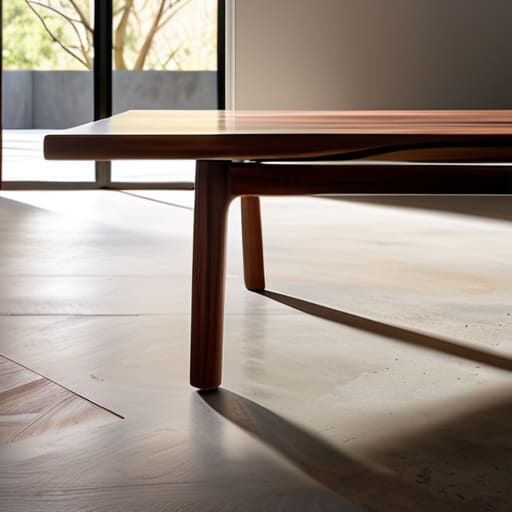
Why One Table Feels Right
I was staring at a prototype for a walnut lounge chair last Tuesday, surrounded by the usual graveyard of failed ideas, when it hit me. Most design textbooks treat proportion as this sacred, mathematical mystery—a divine ratio you uncover if you just study enough Greek geometry. It’s a load of rubbish. In reality, the way we talk about what proportion does to feeling is often too clinical, too detached from the actual friction of living with an object. You don’t feel a Golden Ratio; you feel a sense of unease when a chair leg is a millimeter too spindly, or a sudden, inexplicable calm when a tabletop hits the right depth. It isn’t math; it’s a gut reaction to a physical presence.
I’m not here to give you a lecture on aesthetics or a list of “rules” to follow like a checklist. Instead, I want to talk about the near-misses—those moments in the studio where a slight shift in scale almost ruined a piece, and how those narrow escapes actually define the soul of the work. I’ll be sharing what I’ve learned from twenty years of making things, focusing on the unspoken tension between size and emotion, so you can stop chasing formulas and start trusting your own sense of weight.
The Near Misses Why the Wrong Ratios Almost Won
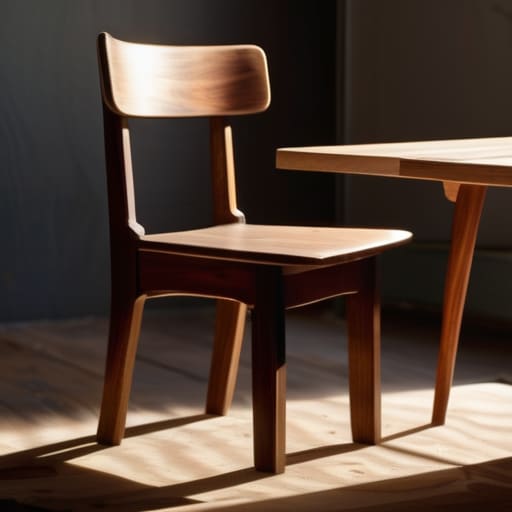
I have a shelf in the back of my studio, tucked behind the scrap wood and the ink rollers, that serves as a graveyard for “almosts.” There is a walnut dining chair there with legs that are just a fraction too tapered—it looks elegant on paper, but in person, it feels precarious, almost anxious. I nearly went with those proportions because they looked sophisticated in the CAD model, but I realized too late that I had traded stability for a hollow kind of grace. It’s a perfect example of how the psychology of scale and emotion works; a tiny shift in a ratio can turn a sense of groundedness into a sense of unease.
The hardest part of this job isn’t finding the right measurement; it’s fighting the urge to follow a beautiful, incorrect impulse. I remember a sideboard project where I pushed the horizontal lines just a bit too far, trying to achieve a sense of cinematic breadth. It ended up feeling lonely rather than expansive. We often talk about mathematical harmony in feeling, but we rarely discuss the tension of the pivot—that moment where you realize a design is leaning toward a mood you didn’t intend to evoke.
The Psychology of Scale and Emotion in Chaos
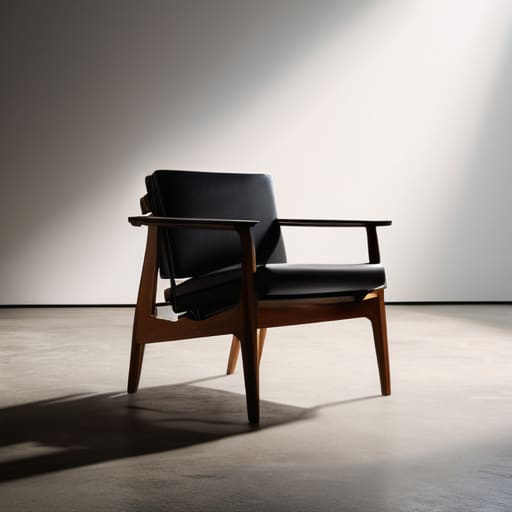
There is a specific kind of tension that occurs when a piece of furniture stops being a tool and starts being an intruder. I see it often in my studio—a chair that is technically perfect by every drafting standard, yet feels somehow aggressive in a room. It usually comes down to the psychology of scale and emotion. We like to think we respond to objects logically, but we are actually reacting to a subconscious negotiation of space. If a table leg is just a few millimeters too thick, it doesn’t just look heavy; it feels imposing, almost defensive.
It’s a strange, invisible math. You can achieve a certain mathematical harmony in feeling by following the Golden Ratio to the letter, but that doesn’t mean the object will feel “right” in a human context. Sometimes, the most successful pieces are those that intentionally break the expected symmetry to create a sense of ease. I’ve spent hours staring at a prototype, trying to figure out why a specific ratio makes me feel unsettled. It’s rarely about the measurements themselves, and almost always about how those measurements distort our sense of safety within a space.
Mathematical Harmony in Feeling the Ghost in the Machine
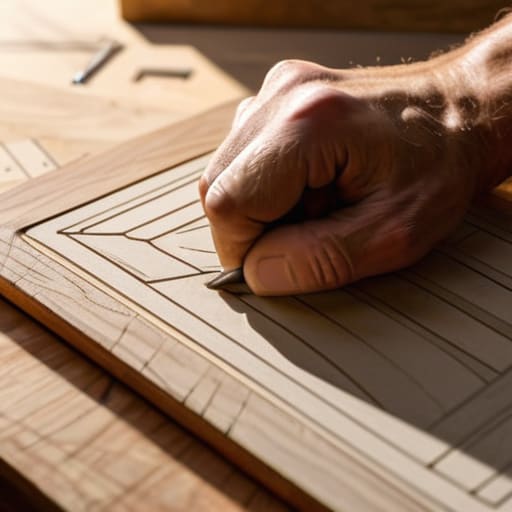
I spent most of last Tuesday staring at a drafting of a side table, trying to figure out why the leg taper felt “anxious.” It wasn’t a structural flaw; it was a mathematical one. We often talk about the Golden Ratio as if it’s some mystical incantation, but in the studio, it feels more like a ghost in the machine. You can sense when the numbers are fighting the intent. When I adjust a ratio by even a fraction of a millimeter, I’m not just chasing mathematical harmony in feeling; I’m trying to quiet a specific kind of visual noise that makes a person feel uneasy without them knowing why.
It’s a strange, quiet tension. You can calculate the exact perceptual scaling of affect through a series of geometric proofs, yet the actual experience of sitting in a chair remains stubbornly irrational. You can follow the rules of aesthetic proportion and mood to the letter, but if the math doesn’t align with the way a human body expects to occupy space, the object remains a specimen rather than a companion. The math provides the skeleton, but the feeling lives in the slight, intentional deviations from it.
What Proportion Does to Feeling the Pivot Point
I have a shelf in the back of my studio—a graveyard of bent plywood and failed joinery. Most of those pieces failed not because the material was poor, but because the ratio was just off. I remember a lounge chair I worked on last autumn; I had spent weeks obsessing over the seat depth, only to realize at the final prototype stage that I had accidentally designed something that felt defensive rather than inviting. It was a tiny shift in the perceptual scaling of affect, a mere few centimeters, but it changed the object from a sanctuary into a cage.
This is where the theory of design meets the messy reality of the human body. We talk about “golden ratios” as if they are divine laws, but in practice, it’s more about the tension between comfort and unease. When you tweak the height of a table or the taper of a chair leg, you aren’t just adjusting dimensions; you are manipulating the emotional response to spatial ratios. You are deciding whether a person feels grounded or suspended. That pivot point—that razor-thin margin where a piece of furniture stops being a tool and starts being an experience—is where the real work happens.
Aesthetic Proportion and Mood the Decision That Changed Everything
I have a shelf in the back of my studio, tucked behind the scrap walnut and the half-empty ink cans, where I keep the failures. They aren’t failures of construction, but failures of spirit. Last month, I was working on a lounge chair—something meant to feel grounded, almost heavy. I had the seat depth set to a ratio that felt safe, a standard ergonomic calculation that most production lines would call “correct.” But it felt hollow. It lacked that certain gravity.
I spent three days staring at the CAD models, oscillating between the “correct” measurement and a version that felt slightly, almost uncomfortably, wider. This is where aesthetic proportion and mood collide. I eventually pushed the width just past the point of conventional comfort, leaning into a more expansive, sheltering footprint. It was a gamble; the perceptual scaling of affect changed the entire character of the piece from a mere seat to a sanctuary. It’s that specific, terrifying moment of hesitation—the pivot from the expected to the felt—that actually defines the work.
Perceptual Scaling of Affect and the Weight of Space
I spent three hours yesterday staring at a prototype for a side table that I eventually scrapped. It wasn’t that the joinery was flawed or the wood was poor; it was that the leg-to-top ratio felt unsettling. There is a specific, heavy kind of tension that occurs when the perceptual scaling of affect miscalculates the relationship between an object and the person using it. If a piece feels too massive for its footprint, it doesn’t just take up space—it commands it in a way that feels aggressive, almost defensive.
In my studio, I’ve learned that the emotional response to spatial ratios is rarely about the measurements themselves, but about the perceived gravity they create. When I adjust a dimension by even a few millimeters, I’m not just tweaking a blueprint; I’m recalibrating how much “weight” a person feels in a room. A chair that is slightly too wide can feel like a throne, while one that is just a fraction too narrow feels like an afterthought. It’s that invisible pressure of scale that dictates whether a space feels like a sanctuary or a cage.
The Sensory Perception of Size Where Geometry Meets Soul
I spent most of yesterday afternoon in the workshop, staring at a chair leg that was just slightly too thick. It wasn’t a structural failure, but a failure of spirit. When you study the sensory perception of size, you realize that volume isn’t just about occupying space; it’s about how that space pushes back against the person using it. A heavy, oversized timber frame can feel protective, like a sanctuary, or it can feel oppressive, like a weight pressing down on your chest. It’s a fine line between stability and a sense of being swallowed.
This is where the psychology of scale and emotion becomes less of a theory and more of a physical sensation. I remember a prototype for a side table where I increased the base diameter by only a few millimeters. On paper, the math was sound, but the object suddenly felt “stubborn.” It lost its grace. We often mistake size for presence, but true presence comes from the tension between the object’s dimensions and the void it creates around itself. It’s that subtle, almost unnameable shift in how we inhabit a room.
The Ghost in the Joinery
We talk about proportion as if it’s a mathematical certainty, a golden ratio we can just dial in like a thermostat. But after twenty years of staring at wood grain and steel, I’ve learned it’s actually a tension. It’s that restless, vibrating space between the dimension you planned and the one that actually makes your chest tighten when you walk into the room. The math gives you the structure, but the feeling lives in the mistake you almost made.
Jonathan Marin
The Ghost in the Finished Object
Looking back at the sketches and the pile of discarded prototypes in the corner of my studio, I realize that proportion isn’t just a mathematical ratio or a rule of thirds to be followed blindly. It is the invisible tension between what we see and what we feel. We’ve traced how scale shifts our internal landscape, how a slight adjustment in a leg’s taper can move a chair from “sturdy” to “imposing,” and how mathematical harmony acts as a quiet ghost in the machine of our perception. Ultimately, the emotional weight of an object lives in those infinitesimal deviations—the moments where we pushed against the math to find something that actually breathes.
In the end, I don’t design for the perfect equation; I design for the near-miss. I find myself searching for that specific, uncomfortable equilibrium where a piece of furniture feels less like a product and more like a presence. If you find yourself staring at a design, wondering if it’s “right,” don’t just look at the measurements. Look at the feeling it leaves in the room when you walk away. The most profound beauty often lies in the decision that almost went the other way, leaving us with something that isn’t just balanced, but deeply, humanly felt.
