
Making a Living Without Wrecking Your Back
I spent the better part of my thirties believing that if I just worked harder, I could outrun the inevitable. I treated my joints like cheap shop tools—something to be used until the edge went dull, then replaced or ignored. But there is no “replacement part” for a human spine, and I’m tired of the wellness industry suggesting that a thousand-dollar ergonomic chair or a subscription to a mindfulness app is the magic fix for how to handle physical wear on your body. Most of that advice is just expensive noise designed to mask the fact that we are biological machines subject to the laws of friction and fatigue.
I’m not here to sell you a lifestyle or a miracle supplement. Instead, I want to talk about the mechanics of longevity from the perspective of someone who has spent twenty years leaning over drafting tables and wrestling with heavy timber. I want to share what I’ve learned about the disciplined maintenance of the self—the small, unglamorous adjustments in how we move and rest that actually matter. This isn’t about chasing peak performance; it’s about making the informed decisions that allow us to keep creating long after the initial enthusiasm has faded.
The Beautiful Friction of How to Handle Physical Wear on Your Body
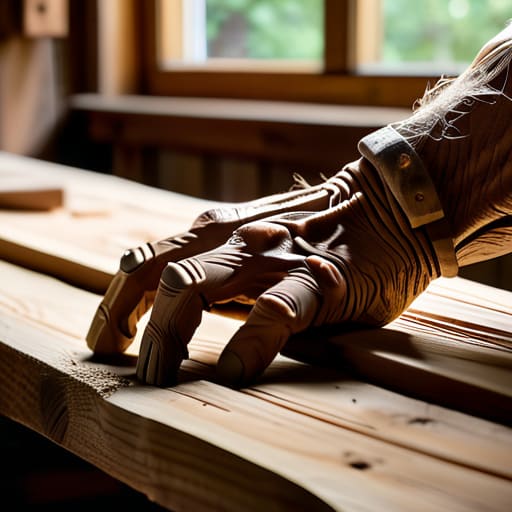
I have a shelf in the back of my studio, tucked behind the walnut offcuts, filled with what I call my “failures.” There is a chair leg that was too aggressive, a joint that wouldn’t seat, a curve that felt dishonest. I keep them because they represent the friction between an idea and the reality of material. My body has become much like that shelf. After twenty years of leaning over drafting tables and wrestling with heavy timber, the friction isn’t just in the wood anymore; it’s in my own hands and lower back.
I used to view the stiffness in my fingers as a nuisance to be ignored, a mere byproduct of a productive day. But I’ve learned that ignoring the signal is just poor design. I’ve had to become much more intentional about my ergonomic workspace setup, treating my desk and chair with the same scrutiny I’d apply to a prototype. It isn’t about comfort in the sense of luxury; it’s about preventing repetitive strain injuries before they become permanent structural flaws. There is a certain dignity in adjusting your life to accommodate your limitations, rather than pretending they don’t exist.
Choosing the Right Resistance Mastering Joint Health Maintenance
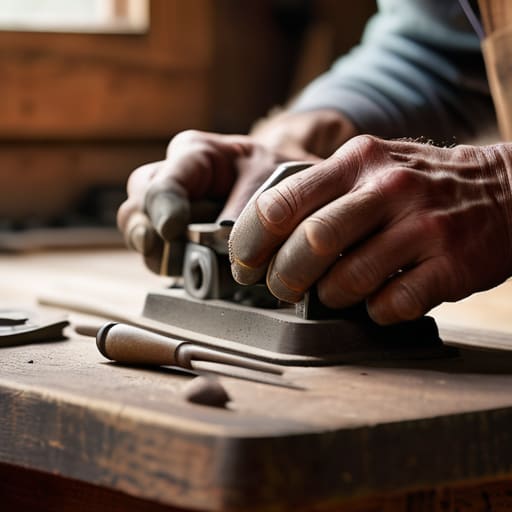
I spent most of my thirties treating my body like a tool that didn’t require maintenance, much like a cheap CNC router you expect to run forever without a tune-up. I thought the stiffness in my knuckles or the dull throb in my lower back was just the price of admission for a life spent hunched over drafting tables and letterpress machines. But I’ve learned that ignoring the signal isn’t discipline; it’s just poor design. Real joint health maintenance isn’t about grand, sweeping gestures or sudden lifestyle overhauls; it’s about the small, iterative adjustments we make to our daily geometry.
I started looking at my studio through the lens of an engineer rather than an artist. It wasn’t enough to just “work harder”; I had to look at my ergonomic workspace setup and realize that my chair was essentially a poorly designed prototype that was failing the user. Now, I treat my physical upkeep like I treat a difficult material—you don’t force it into a shape it won’t take; you find the tension point and work with the grain. It’s about choosing the right kind of resistance so that the wear becomes a patina rather than a structural failure.
The Cost of Repetitive Strain Injuries and the Correct Pivot
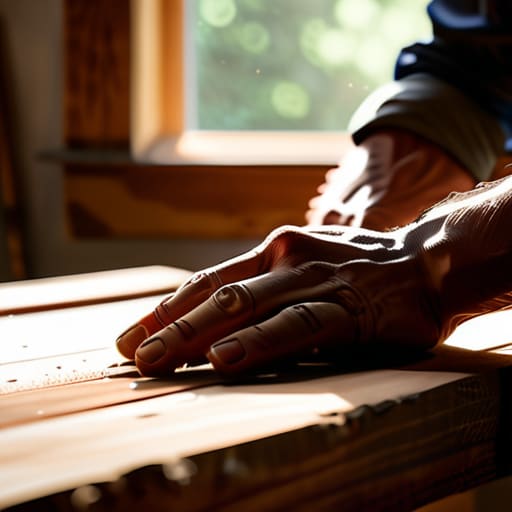
In the studio, I’ve learned that a mistake in a blueprint is a tragedy, but a mistake in your own anatomy is a debt that accrues interest. For years, I treated my hands like tools that didn’t require maintenance, pushing through the dull throb of a carpal tunnel flare-up as if it were just another part of the process. But preventing repetitive strain injuries isn’t about being fragile; it’s about recognizing when the current method has reached its structural limit. When a joint begins to protest, it’s not a sign to work harder, but a signal that the design of your movement is flawed.
The pivot isn’t a surrender; it’s a redesign. I used to think that a better ergonomic workspace setup was a luxury for people who didn’t care about the craft, but I was wrong. It’s actually a fundamental constraint of the job. Now, when the ache settles in, I don’t just push through. I look at the mechanics of my posture and the rhythm of my work, treating my own recovery with the same rigorous scrutiny I’d apply to a prototype that failed its stress test.
Designing Your Ergonomic Workspace Setup to Avoid Regret
I have a shelf in the back of my studio filled with chair prototypes that failed—not because they were ugly, but because they were uncompromising. They looked magnificent on paper, but they demanded too much of the human frame. I’ve realized that designing an ergonomic workspace setup is much the same; it isn’t about finding a single, perfect posture, but about creating a system that allows for constant, subtle movement. If your desk setup is a static monument, your body will eventually treat it like an adversary.
I spent years treating my workstation like a production line, oblivious to the fact that a poorly placed monitor was a slow-motion collision course with a neck injury. Now, I view my desk as a piece of living furniture that requires calibration. It’s less about buying the most expensive chair and more about the intentionality of your reach and sightlines. We often think of preventing repetitive strain injuries as a chore, but I’ve come to see it as a form of structural maintenance. You aren’t just arranging equipment; you are designing the boundaries within which your body is allowed to function without protest.
Mobility Exercises for Aging Deciding Which Movements to Keep
In my studio, I have a shelf dedicated to the “almosts”—the chairs with legs just a fraction too splayed, or the joinery that was technically sound but visually loud. I’ve started applying that same editorial eye to my own body. As I navigate the necessity of mobility exercises for aging, I find myself performing a sort of brutal triage. I used to think more movement was always better, a frantic attempt to outrun the stiffness, but I’ve learned that the most effective routine is often the one defined by what you choose to leave out.
It isn’t about a complete overhaul; it’s about selective maintenance. I’ve moved away from the high-impact, performative stretches that left me feeling brittle, opting instead for slow, deliberate movements that prioritize joint health maintenance. There is a quiet dignity in realizing that a single, well-executed hip rotation is worth more than twenty minutes of mindless jumping. I am no longer designing for a body that can do everything; I am designing for the one that needs to remain functional and fluid for the long haul.
Muscle Recovery Techniques the Art of Intentional Rest
In my studio, I have a shelf of failed chair legs—some too thin, some too aggressive, all of them discarded because they couldn’t hold the weight of the intention behind them. I’ve come to realize that my own body operates under similar structural requirements. We often treat rest as a void, a lack of productivity, but I’ve started viewing muscle recovery techniques as a deliberate part of the design process. It isn’t just about lying down; it’s about the active choice to stop the momentum before the material—my own sinew and fiber—begins to fatigue beyond repair.
I used to think that pushing through a dull ache was a badge of craftsmanship, a way to prove my dedication to the work. But there is a fine line between grit and structural failure. Now, I approach recovery with the same scrutiny I apply to a prototype. Whether it’s the disciplined use of heat or the quiet necessity of sleep, these aren’t just breaks in the day; they are the essential calibrations required to keep the machine running. If I don’t respect the recovery phase, the next day’s work will inevitably suffer from the same flaws I tried so hard to avoid.
Managing Chronic Inflammation Through Selective Biological Choices
I’ve spent much of my career thinking about how materials react to stress—how wood grain splits if you force a bend, or how metal fatigues under constant vibration. We often forget that our bodies are subject to the same laws of physics. Managing chronic inflammation isn’t about a sudden, radical overhaul of your life; it’s more like the slow, iterative process of refining a prototype. It’s about the small, daily decisions that either soothe the system or add to the cumulative load. I’ve learned that you can’t just “out-train” a diet or a lifestyle that is constantly stoking the fire.
Sometimes, the most effective way to address systemic heat is to look at what we are adding to the mix. I used to think that more was always better—more supplements, more intense movement, more grit. But I’ve realized that true resilience lies in subtraction. By being selective about what we consume and how we move, we aren’t just avoiding discomfort; we are actively protecting our biological integrity. It is a design choice, really: deciding which inputs serve the long-term structure and which ones merely create noise.
The Geometry of Maintenance
We treat our bodies like finished products, static and immutable, but the truth is we are more like a prototype in constant flux; the goal isn’t to avoid the wear, but to make the adjustments—the rests, the stretches, the pivots—so intentional that the eventual breakdown feels less like a failure and more like a deliberate evolution.
Jonathan Marin
The Final Blueprint
Looking back at the wreckage of my own physical history—the stiff lower back from years of leaning over drafting tables, the wrist tension from too many hours at the press—I see that managing wear isn’t about achieving some impossible, frictionless perfection. It is about the series of small, often difficult, adjustments we make every day. Whether it is the decision to prioritize mobility over a heavy lifting session, or the discipline to redesign a workstation that has become a source of slow-motion injury, we are essentially prototyping our own longevity. We have covered the mechanics of joint health, the necessity of intentional rest, and the strategic management of inflammation, but none of these technical fixes matter if they aren’t applied with consistent, conscious intent.
In my studio, I keep a shelf of failed chair prototypes, each one a testament to a design choice that didn’t quite hold up under the weight of reality. I think our bodies are much the same. We are not static objects; we are works in progress, constantly being refined by the way we choose to move and the way we choose to recover. Don’t view the aches and the limitations as signs of failure, but as essential feedback from a complex system. The most successful design isn’t the one that never breaks, but the one that was built to be maintained. Listen to the friction, honor the constraints, and keep refining the build.
