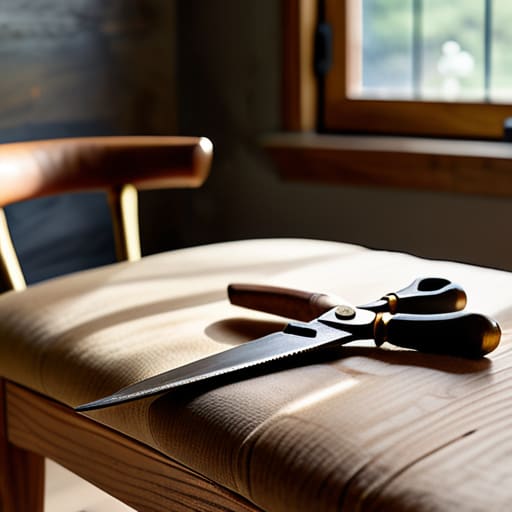
A Frame Designed for the Upholsterer
I have a shelf in my studio dedicated entirely to the “ghosts”—those rejected prototypes that almost made it to the showroom floor. Last Tuesday, I was staring at a prototype for a lounge chair that I’d nearly killed because the seam allowance felt too clinical, too much like a math equation and not enough like a hand-stitched garment. Most design blogs will tell you that mastering how to design for upholstery is about understanding Martindale rub counts or the chemical composition of foam, but that’s just technical trivia. The real work isn’t in the specs; it’s in the tension between the fabric and the frame, and knowing exactly when a tensioned seam is about to become a structural failure.
I’m not here to give you a lecture on textile theory or sell you on some expensive, high-concept myth. Instead, I want to talk about the grit of the process—the actual, messy decisions that happen when a bolt of linen refuses to behave the way your CAD drawing promised it would. I’m going to share the hard-won lessons I’ve picked up over twenty years of production, focusing on the critical pivots that separate a piece of furniture from a piece of art.
The Ghost in the Frame How to Design for Upholstery
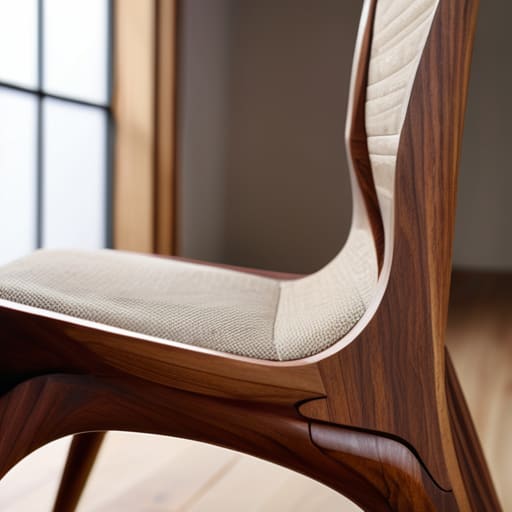
When I’m sketching a new chair, I don’t start with the fabric; I start with the skeleton. There is a tendency in the industry to treat the frame as a mere hanger for the textile, but that is a fundamental misunderstanding of furniture construction principles. If the bones aren’t right, the most expensive silk in the world won’t save you from a silhouette that looks collapsed or lifeless. I spent three weeks last autumn wrestling with a walnut frame that felt too rigid, eventually realizing that the tension required for the upholstery was actually fighting the wood itself.
Designing for soft goods requires you to visualize the internal architecture long before the first staple is driven. You have to account for how the upholstery attachment methods will interact with the curves of the wood, ensuring that the tension is even and the lines remain crisp. It’s a delicate balancing act between the rigid and the yielding. If you ignore the relationship between the frame’s geometry and the eventual cushion density and comfort, you aren’t designing a piece of furniture; you’re just wrapping a mistake in something pretty.
The Structural Pivot Respecting Furniture Construction Principles
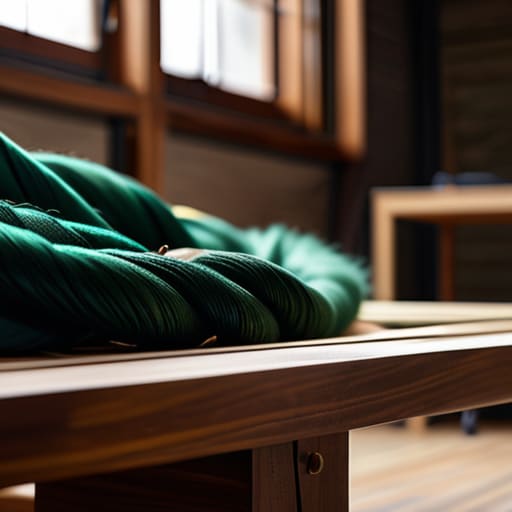
I spent three weeks last year obsessing over the grain of a mohair, only to realize the entire project was doomed because I hadn’t accounted for the tension of the frame. It’s a common trap. We get seduced by the tactile surface—the way a textile catches the light—and we forget that upholstery is, at its core, a secondary skin. If the underlying structural integrity of furniture frames is compromised by a lack of tension or an improper spring way, the most expensive silk in the world will eventually look like a sagging, defeated shroud.
You cannot treat the fabric as an afterthought to the wood or the metal. I’ve learned that true ergonomic seating design begins long before the first staple is fired; it starts with how the tension of the textile interacts with the internal geometry. I once had a prototype where the fabric was so tight it actually bowed the side rails of a walnut chair. I kept that piece in my “reject” pile, labeled Too much tension, lost the silhouette. It serves as a constant reminder that the fabric must respect the bones of the piece, not fight them.
The Almost Disaster Upholstery Fabric Selection Mistakes
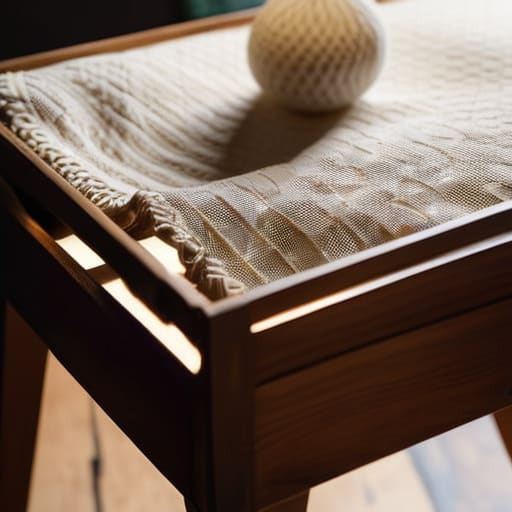
I have a small wooden crate in the corner of my studio, overflowing with scraps of linen, heavy bouclé, and failed velvets. Most designers see these as waste, but to me, they are a map of wrong turns. I remember a mid-century inspired lounge I built last year where I almost committed to a high-sheen silk for the seat. It looked stunning on the mood board, but I caught myself just before the first staple went in. If I had proceeded, the fabric would have fought the structural integrity of furniture frames by sliding every time someone sat down, turning a moment of rest into a constant, micro-adjustment of the hips.
The mistake wasn’t just about aesthetics; it was a failure to respect the physics of the piece. I pivoted to a heavy, textured weave that actually grips the foam. This shift changed everything—not just the look, but how the cushion density and comfort actually felt in practice. It’s a reminder that a beautiful textile is a liability if it ignores the mechanics of the chair.
The Tension of Choice Mastering Upholstery Attachment Methods
I have a drawer in my studio filled with scrapings of tack strips and failed staples—the debris of a thousand small, technical decisions. When it comes to the actual mechanics of how a fabric meets a frame, it’s easy to view upholstery attachment methods as a mere afterthought, a purely functional step at the end of a long design cycle. But that’s where the tension lives. I remember a mid-century lounge project where I fought for weeks over a seamless look, only to realize that my desire for aesthetic purity was actively undermining the structural integrity of furniture frames.
If you pull a heavy weave too tight to achieve that “perfect” drum effect, you aren’t just creating tension in the cloth; you’re introducing stress into the wood itself. I’ve learned that the way you secure a piece—whether through traditional webbing, blind tufting, or modern pneumatic stapling—is what ultimately dictates how the piece ages. You aren’t just fastening material; you are managing the constant struggle between compression and expansion. If you ignore the physics of the attachment, the design will eventually fight you back.
The Comfort Compromise Cushion Density and Comfort Decisions
I have a shelf in the back of my studio dedicated to “failures”—mostly foam samples that felt either like sitting on a sidewalk or a cloud that refuses to hold its shape. I once spent three weeks on a lounge chair that looked impeccable on paper, only to realize I had prioritized the silhouette over the actual physics of a human body. I had gone too heavy on the high-resiliency foam, thinking density equaled quality, but I ended up with a seat that felt more like a medical exam table than a place to rest.
The real trick isn’t just picking a number on a spec sheet; it’s understanding how cushion density and comfort interact with the underlying frame. If the core is too soft, you lose the structural integrity of furniture frames, and the whole piece begins to sag within months. I learned the hard way that you have to layer. You need that firm base to support the weight, topped with something more forgiving to provide the tactile grace. It’s a constant negotiation between the math of ergonomic seating design and the messy, unpredictable way a person actually sits down.
The Silhouettes Secret Ergonomic Seating Design Triumphs
I have a shelf in my studio dedicated entirely to the “wrong” curves—wooden mock-ups of chair backs that looked elegant on paper but felt like a punishment in practice. It is easy to get seduced by a profile that looks striking in a sketch, but ergonomic seating design is a brutal judge. I once spent three weeks refining a lounge chair with a sweeping, continuous silhouette, only to realize during a prototype test that the lumbar support vanished the moment someone actually sat down. The silhouette was a lie.
The real triumph isn’t found in a perfect line, but in the invisible adjustments that keep that line from collapsing under the weight of human anatomy. You have to balance the aesthetic sweep with the structural integrity of furniture frames, ensuring the wood or metal doesn’t just look right, but actually holds the tension required for posture. I’ve learned that a successful silhouette is often a series of compromises: a slight dip here, a subtle tilt there, all tucked beneath the fabric to hide the work. It’s about making the comfort feel effortless, even when the engineering behind it was anything but.
The Final Defiance Protecting Structural Integrity of Furniture Frames
I have a shelf in my studio dedicated to the “almosts”—the joints that sheared under pressure and the frames that bowed the moment a client sat down. It’s a graveyard of good intentions. When you’re deep into the aesthetics of a piece, it is incredibly easy to let the visual language override the physics of the object. I remember a mid-century inspired lounge chair I built three years ago; I was so enamored with a slim, tapered leg profile that I nearly bypassed the necessary corner blocking. I caught it just in time, but that moment of near-negligence taught me that structural integrity of furniture frames isn’t a secondary concern—it is the foundation upon which every other design choice rests.
You can have the most exquisite upholstery fabric selection in the world, but if the skeleton underneath is compromised, the piece is a lie. A chair that creaks or wobbles after six months of use is a failure of design, regardless of how soft the velvet feels. True craftsmanship lies in the invisible work: the mortise and tenon joints, the reinforced rails, and the way the frame resists the constant, shifting weight of human bodies. You have to design for the long haul, ensuring the bones are as resilient as the skin is beautiful.
The Weight of the Pivot
We often talk about upholstery as if it’s the skin of a piece, but in my studio, I see it as the final negotiation between the skeleton and the room. You don’t just pick a fabric; you decide how much of the frame’s original intent you’re willing to surrender to the softness of a weave.
Jonathan Marin
The Weight of the Final Decision
Designing for upholstery is never just about the surface; it is a constant negotiation between the rigid skeleton of the frame and the soft, yielding skin of the fabric. We’ve looked at how the structural integrity of the wood dictates the tension of the weave, how the density of the foam can either elevate or erase the intended silhouette, and how a single wrong choice in attachment methods can turn a masterpiece into a sagging liability. It is a discipline of calculated constraints, where every decision—from the ergonomics of the curve to the durability of the textile—must be made with the knowledge that the upholstery is not an afterthought, but the very soul of the piece.
I often look at the graveyard of rejected prototypes in my studio, those half-finished chairs and failed cushions that never made the cut. They remind me that good design isn’t found in a perfect, frictionless process, but in the friction of the choice itself. When you sit in a well-designed chair, you aren’t just feeling comfort; you are feeling the result of a hundred tiny battles fought against gravity, wear, and aesthetic impulse. Don’t aim for the easiest path in your design process. Aim for the decision that makes you pause, the one that feels slightly dangerous, because that is usually where the character lives.
