Working Without Anyone to Tell You
I have a shelf in the back of my studio filled with what I call “the ghosts”—half-finished chairs and botched joinery that should have stayed in the scrap bin. Most people think the solo grind is where the magic happens, that the lonely genius is the archetype of the craft, but that’s a lie we tell ourselves to justify our own stubbornness. In reality, the most dangerous thing you can do is work in a vacuum, because you lose the ability to see when you’re just making excuses for bad design. Understanding why a maker needs peers isn’t about finding a fan club or a group of people to validate your ego; it’s about finding the people who are willing to tell you that your latest pivot is actually a mistake.
I’m not here to sell you on the idea of “creative synergy” or some polished, LinkedIn-ready version of collaboration. I want to talk about the friction that happens when two people look at the same piece of walnut and see two different problems. I’m going to share what I’ve learned from twenty years of production lines and studio failures about the uncomfortable necessity of having someone else in the room. We’ll look at how a peer acts as a mirror for the decisions you almost missed, ensuring your work is defined by intention rather than just accidental survival.
The Ghost of the Wrong Choice Why a Maker Needs Peers
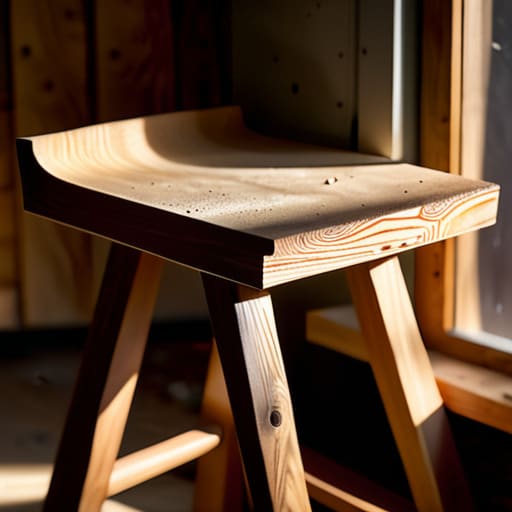
I have a shelf in the corner of my studio that most people would call a graveyard. It’s filled with bent plywood, failed joinery, and chair legs that simply refused to hold weight. To me, they are more valuable than the pieces sitting in showrooms. Each one represents a moment where my intuition failed, or where I was too stubborn to see a flaw. The problem with working in a vacuum is that you become your own most unreliable narrator. You start to believe your mistakes are actually intentional design choices rather than simple errors in judgment.
This is where the value of peer review in craftsmanship becomes practical rather than theoretical. When you bring another set of eyes into the room, they aren’t just checking your measurements; they are acting as a guardrail against your own ego. A colleague can see that slight wobble in a table leg or the subtle tension error in a wood grain before it becomes a permanent, expensive mistake. It’s about overcoming maker isolation to ensure that your “creative vision” doesn’t just become a polite way of being wrong.
The Near Miss Finding Value in Collaborative Making Environments
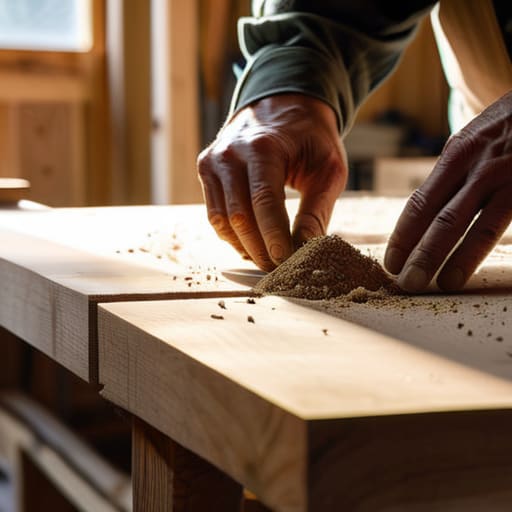
I’ve spent enough hours in my own studio, surrounded by the quiet hum of a single machine, to know how easy it is to fall in love with a mistake. When you’re working in a vacuum, a flaw can start to look like a feature if you stare at it long enough. That’s the danger of the solitary grind; you lose the ability to see your own blind spots. I’ve found that true creative growth through community happens in those uncomfortable moments when someone else points out that your joinery is actually a structural liability, not a stylistic choice.
It isn’t about having a critic standing over your shoulder, though. It’s about the casual, messy reality of knowledge sharing in maker spaces. You’re at the workbench, and someone glances over, notices the way you’re tensioning a piece of walnut, and offers a different perspective. Those small, unscripted exchanges are what prevent the slow drift into mediocrity. You need that external friction to keep your edges sharp; without it, you aren’t just working alone, you’re essentially stagnating in silence.
Avoiding the Silent Error Overcoming Maker Isolation
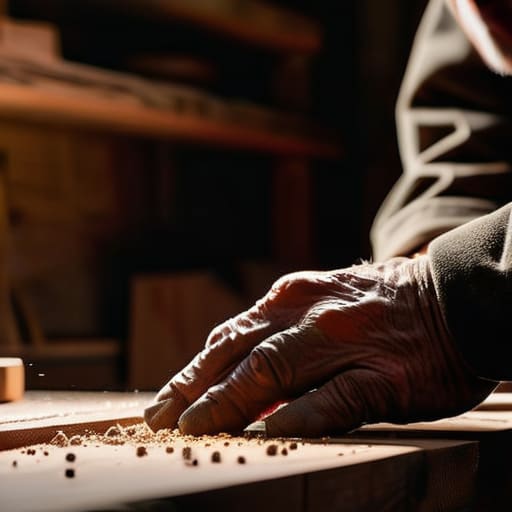
There is a specific kind of silence that settles in a solo studio once you’ve been working alone for too long. It isn’t peaceful; it’s heavy. It’s the silence of a closed loop where your own biases start to feel like objective truths. When you’re working in total isolation, you lose the ability to distinguish between a breakthrough and a mistake you’ve simply grown fond of. I’ve spent many afternoons staring at a joinery detail, convinced I’d solved a structural problem, only to realize weeks later that I had actually just negotiated with a flaw.
This is the danger of the echo chamber. Without peer review in craftsmanship, you aren’t actually refining your work; you are merely reinforcing your own habits. True creative growth through community happens when someone looks at your process and asks the uncomfortable question you were too close to the bench to see. It’s about having someone there to catch the drift before it becomes a permanent part of the piece. You need that friction to ensure your decisions are intentional, rather than just a series of accidental compromises.
The Sharp Edge of Peer Review in Craftsmanship
There is a specific kind of friction that only happens when you put your work in front of someone who actually knows how a chisel should bite into walnut. In my own studio, I’ve spent years staring at a joint or a silhouette until my eyes glaze over, losing the ability to see the flaw because I’ve become too intimate with the object. That’s where peer review in craftsmanship becomes vital. It isn’t about polite encouragement or a pat on the back; it’s about the uncomfortable moment someone points out that your taper is off by a fraction, or that your choice of joinery is a stylistic lie.
That discomfort is where the real work happens. When you step into collaborative making environments, you aren’t just looking for validation; you are looking for the person who will challenge your assumptions. I’ve found that my most significant leaps in ability didn’t come from a textbook, but from the blunt, unvarnished feedback of a peer who saw exactly where I was cutting corners. It forces a level of rigor that you simply cannot maintain when you are working in a vacuum.
Where Skill Meets Friction Improving Technical Skills Through Feedback
I have a shelf in my studio dedicated to what I call “the almosts.” It is a graveyard of joinery that was too loose, wood that was too brittle, or dimensions that looked right on a CAD screen but felt wrong in the hand. When you work in total isolation, you tend to develop a certain kind of blindness; you become too close to your own mistakes to see them as anything other than “just how it is.” But when you engage in improving technical skills through feedback, you realize that your errors aren’t personal failings—they are just data points.
True technical mastery doesn’t happen in a vacuum of quiet contemplation. It happens when someone leans over your shoulder, watches you struggle with a stubborn mortise and tenon, and asks, “Have you tried adjusting your jig?” That friction is where the real learning occurs. In these collaborative making environments, the conversation shifts from abstract theory to the granular reality of the tool against the grain. You aren’t just learning a new technique; you are learning how to see the mistake before the saw ever touches the wood.
The Unintended Path Creative Growth Through Community
I have a shelf in my studio dedicated to the “almosts”—the chair legs that were too spindly, the joinery that bit too deep, the brass pulls that felt wrong the moment they touched the light. For years, I viewed these as failures, private embarrassments to be tucked away. But when I started working in more collaborative making environments, I realized those mistakes weren’t just dead ends; they were the most fertile ground for actual progress. When you sit across from someone else who understands the tension of a grain or the stubbornness of a CNC machine, a mistake stops being a solitary shame and becomes a shared data point.
This is where true creative growth through community happens. It isn’t about a group of people nodding in agreement or validating your ego; it’s about the friction of different perspectives rubbing against your own assumptions. You might think you’ve found a definitive solution to a structural problem, only to have a peer suggest a path that feels counterintuitive, perhaps even slightly uncomfortable. That discomfort is usually the signal that you’re about to move past your own technical ceiling. It’s the moment you realize that growth isn’t a straight line upward, but a series of pivots prompted by the eyes of others.
The Shared Spark Knowledge Sharing in Maker Spaces
I spent most of my thirties in a studio that was essentially a vacuum. I had my tools, my drawings, and my silence, but I also had a terrifying tendency to convince myself that a flawed joinery method was actually a “stylistic choice.” When you work in total isolation, your mistakes don’t feel like errors; they feel like intentions. It wasn’t until I started spending time in more active, collaborative making environments that I realized how much intelligence is actually held in the collective. You see someone else struggle with a specific grain direction or a temperamental lathe, and suddenly, a solution you’ve been chasing for weeks just exists in the air between you.
There is a specific kind of alchemy that happens during spontaneous knowledge sharing in maker spaces. It isn’t the polished, instructional kind you find in a YouTube tutorial; it’s the gritty, practical wisdom passed over a shared workbench. It’s the realization that the person next to you has already failed at the exact thing you are currently attempting. That shared history of trial and error acts as a shortcut, allowing us to bypass the most tedious mistakes and move straight into the more interesting problems.
## The Mirror in the Workshop
We often mistake solitude for focus, but there is a specific kind of blindness that sets in when you’re the only one looking at a joint or a curve. You need someone else to stand there, not to tell you what to do, but to see the mistake you’ve already convinced yourself is a feature.
Jonathan Marin
The Weight of the Final Decision
Looking back at the stack of rejected prototypes in the corner of my studio, I realize that none of them would exist if I had worked in a vacuum. We’ve talked about the technical friction, the shared knowledge, and the way a peer can catch a mistake before it becomes a permanent, costly error in a production run. But more than that, it’s about the correction of course. Without that external eye to challenge our assumptions, we don’t just risk making bad objects; we risk becoming blind to our own limitations. A community isn’t just a safety net for your errors; it is the necessary mirror that shows you where your craft is actually standing.
Ultimately, making things is a lonely, quiet business, but it shouldn’t be a solitary one. We often mistake isolation for focus, when in reality, it’s usually just a lack of perspective. The goal isn’t to find a group that agrees with every stroke of your chisel or every line of your CAD drawing, but to find the people who will push you toward the harder, more honest choice. When you finally set that finished piece down on the table, you shouldn’t just be proud of what you made, but of the decisions you survived to get there.
