
What I Leave With the Client
I was standing in the workshop last Tuesday, staring at a prototype chair that had just been rejected for being “too aggressive” in its silhouette. It sat there among the others—the ones I’ve kept for twenty years, each tagged with a handwritten note explaining the failure—and I realized that most people treat the end of a project like a funeral. There is this industry-wide obsession with “seamless transitions” and polished, high-gloss documentation that feels more like a corporate performance than actual craft. But for me, how I hand a piece over isn’t about a clean break or a sterile spreadsheet; it’s about the messy, quiet moment where the designer’s intention finally meets the owner’s reality.
I’m not here to give you a checklist of project management buzzwords or a guide to looking professional for your clients. Instead, I want to talk about the actual mechanics of the transition—the parts that happen when the dust settles and the tools are put away. I’ll be sharing the unvarnished, experience-based way I bridge that gap, focusing on the decisions that almost went the other way and why they matter for the final result. This is about honesty in the handover, not just finishing the job.
The Tension of the Final Threshold How I Hand a Piece Over

There is a specific kind of vertigo that sets in when a piece moves from the studio floor to the client’s space. It isn’t just about the logistics; it is the psychological weight of the finality. I find myself obsessing over the visual verification of condition, checking the grain of the walnut or the tension in a joint one last time, as if my scrutiny could somehow freeze the object in its perfect, nascent state. I’ve learned that the transition isn’t just a delivery; it is a quiet negotiation between my intent and their reality.
To manage this, I’ve developed a somewhat idiosyncratic asset handover checklist that feels less like a corporate requirement and more like a way of saying goodbye. It isn’t about rigid standard operating procedures for handovers—I have no patience for the sterile language of industry—but rather about ensuring the story of the object remains intact. I document the specific ways the wood was treated and the exact tension of the joinery, essentially leaving a map for the piece to follow once it is no longer under my roof.
The Near Miss in the Asset Handover Checklist
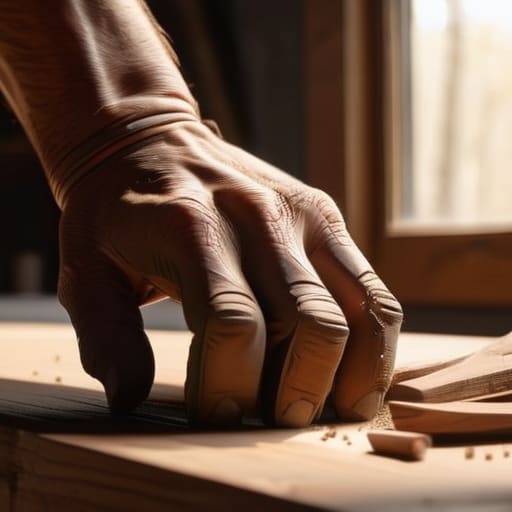
I keep a drawer in my studio filled with things that failed—a chair leg too thin, a joint that wouldn’t seat, a finish that turned muddy. It’s my personal archive of “almosts.” When I move into the formal side of things, the asset handover checklist feels like a cold, clinical attempt to organize that same chaos. On paper, it’s a series of checkboxes and sterile instructions, but for me, it is a ritual of accountability. I find myself lingering over the visual verification of condition, not just to tick a box, but to ensure the object’s integrity survives the transition from my hands to the client’s space.
There is a specific anxiety in the documentation phase. I’ve spent weeks wrestling with a specific grain pattern or a subtle bevel, and suddenly, I am tasked with the rigid transfer of ownership protocols. It feels almost sacrilegious to reduce a year of tactile problem-solving into a PDF. Yet, I’ve learned that the most effective way to honor the work is to be brutally honest in the paperwork. If a piece has a slight, intentional irregularity, I document it. I don’t want the client to discover a “flaw” that was actually a hard-won design decision.
Choosing the Path Standard Operating Procedures for Handovers
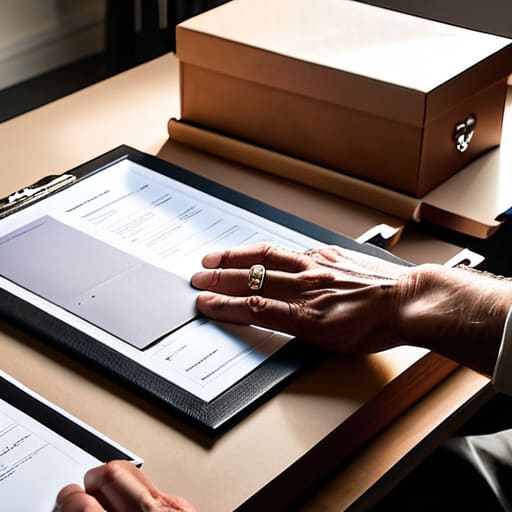
I’ve learned that relying on pure intuition is a recipe for disaster when a piece leaves my studio. You can have all the creative soul in the world, but without rigorous standard operating procedures for handovers, that soul gets lost in translation. I’ve moved away from the “handshake and a smile” approach toward a more disciplined ritual. It’s not about stifling the art; it’s about ensuring the client receives exactly what I intended, rather than a version of it that suffered from some mid-transit misunderstanding.
This ritual usually begins with a meticulous review of my asset handover checklist. I don’t just check boxes to satisfy a sense of duty; I do it to bridge the gap between my workshop and their living room. This includes a thorough visual verification of condition under specific lighting—the same light I used during the prototyping phase. If a grain pattern looks different under a different bulb, I need to know before they do. It’s a heavy, technical process, but it’s the only way to ensure the transition is as seamless as the joinery itself.
The Weight of Truth in Documenting Physical Assets
There is a specific kind of anxiety that sets in when you move from the studio to the client’s floor. It’s the moment where the object stops being “my design” and starts being “their property.” I’ve learned that documenting physical assets isn’t just about filling out a spreadsheet; it’s about honesty. If a walnut veneer has a slight grain deviation or a joint has a microscopic gap that I’ve lived with for six months, that truth has to be on the page. I find that if I try to polish the reality of the object in the paperwork, I feel like I’m lying to the person who is about to live with it.
I’ve developed a habit of performing a slow, almost ritualistic visual verification of condition before the client even arrives. I walk around the piece, looking for the flaws that my eyes have become blind to through sheer repetition. It’s a way of ensuring that the transfer of ownership protocols aren’t just a bureaucratic hurdle, but a moment of shared clarity. I want them to see exactly what I see—the triumphs and the tiny, necessary compromises.
Where Certainty Meets Doubt Visual Verification of Condition
There is a specific kind of anxiety that settles in when you’re standing in a warehouse or a client’s studio, camera in hand, performing the visual verification of condition. It’s the moment where the theoretical perfection of my CAD models meets the stubborn, messy reality of wood grain, joinery, and the slight, inevitable variations in lacquer. I find myself looking for the flaws I tried to hide—the tiny knot that appeared during the final sanding or the microscopic shim used to level a leg. It isn’t about being pedantic; it’s about the honesty of the object.
I’ve learned that effective communication during transition relies less on polished marketing photos and more on the gritty, unvarnished truth. I take photos of the imperfections, too. If a tabletop has a slight ripple that only catches the light at a certain angle, I document it. By being the first to point out the “near-misses” in the finish, I establish a baseline of trust. It turns the handover from a mere transaction into a shared understanding of what the piece actually is, rather than what the brochure promised it would be.
The Art of Effective Communication During Transition
There is a specific kind of silence that settles in a workshop when a project moves from “mine” to “theirs.” It isn’t just about the logistics of moving a heavy oak table or a set of technical drawings; it’s the psychological shift of letting go. I’ve found that effective communication during transition isn’t really about the technical specs—though those are vital—it’s about the narrative of the object. If I don’t explain why a certain joinery choice was made, or why a specific finish was selected despite the easier alternative, the person receiving it only sees the result, never the intention.
I try to treat the final conversation like a debriefing. It’s not enough to simply tick off an asset handover checklist and call it a day. I want to walk the client through the friction points. I want them to know where the material fought me. By sharing the history of the piece, I ensure that the transfer of ownership protocols feel less like a cold transaction and more like a passing of a torch. It’s about making sure they understand not just what they are holding, but the weight of the decisions that brought it to their door.
Refining the Exit Final Transfer of Ownership Protocols
There is a specific, quiet anxiety that settles in during the final stage of a project—the moment where the work stops being mine and starts being theirs. I’ve learned that formal transfer of ownership protocols shouldn’t feel like a legal autopsy; they should feel like a passing of the torch. It’s about more than just signing a delivery note. It’s the ritual of ensuring that the intention I poured into the joinery or the finish isn’t lost the moment the crate is pried open.
I tend to treat these final steps as a way to bridge the gap between my studio and the client’s reality. This means moving beyond a mere asset handover checklist and into something more nuanced. I find myself double-checking the small things—the way a drawer glides, the specific grain direction—to ensure that the integrity of the design remains intact. If I haven’t accounted for how the piece will actually live in its new space, then I haven’t truly finished my job. It is the final, necessary act of stewardship before I let go.
The Ghost of the Alternative
A handover isn’t just a transfer of files or a signature on a delivery note; it’s the moment I finally stop arguing with the object and let it go, even though I can still feel the weight of the version I almost built.
Jonathan Marin
The Final Grain of Truth
Looking back at the checklist, the documentation, and those tense moments of visual verification, it becomes clear that a handover is never just a logistical transfer of assets. It is a meticulous accounting of every choice made and every compromise accepted. We move from the rigor of standard operating procedures to the messy, human reality of communicating what a piece truly is—not just what the CAD file says it should be. To hand something over properly is to ensure that the integrity of the design survives the transition from my studio to the client’s floor, leaving nothing to chance or misunderstanding.
In the end, I find myself thinking about the prototypes gathering dust in the corner of my workshop, each one a ghost of a different direction. A successful handover is essentially the act of honoring the path we actually took. It is about acknowledging that while the process is governed by constraints, the result is defined by the courage to commit to a single version of the truth. When I finally let a piece go, I don’t just want them to have the object; I want them to understand the weight of the decisions that brought it into being. That is where the real life of the work begins.
