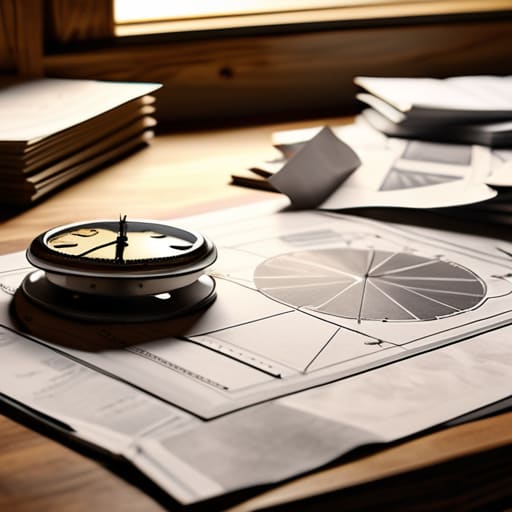
What a Rushed Week Costs the Piece
I was staring at a prototype for a walnut lounge chair last Tuesday—one of the many “failures” currently gathering dust in the corner of my studio—and I realized it was the victim of a ticking clock rather than a lack of vision. We are constantly sold this lie that urgency breeds excellence, that the pressure of a calendar forces us to sharpen our focus. But in my twenty years of moving pieces from a sketchpad to a production line, I’ve learned that why deadlines damage work isn’t about a lack of discipline; it’s about the systematic murder of the nuanced decision. When the clock becomes the primary driver, you stop asking “Is this right?” and start asking “Is this finished?”
I’m not here to give you a lecture on time management or some hollow productivity hack you can find in a management seminar. I want to talk about the actual, messy cost of rushing the creative process. I’m going to share what I’ve learned from two decades of watching good ideas get flattened by the weight of a schedule, and how we can protect the essential friction that makes craft worth doing.
The Ghost of the Better Choice Why Deadlines Damage Work
When I’m at the workbench, or even just staring at a CAD model, there is a specific kind of mental fog that rolls in when the clock starts ticking too loudly. It isn’t just about being rushed; it’s the way the cognitive load and time pressure begin to strip away your ability to weigh options. In design, the “right” choice is rarely the first one you land on. It’s usually the third or fourth, found only after you’ve exhausted the obvious. But a looming deadline acts like a blunt instrument, forcing you to settle for the most obvious path because it’s the safest one to execute before the sun goes down.
I have a shelf in my studio filled with these casualties—prototypes that were technically “correct” but lacked any soul. They are the results of choosing the path of least resistance to avoid the impact of rushing on error rates. When you are constantly sprinting, you stop asking why a joint should be mitered a certain way and start asking how quickly you can make it look finished. You aren’t designing anymore; you are merely surviving the schedule.
The Near Miss How Cognitive Load and Time Pressure Kill Intuition
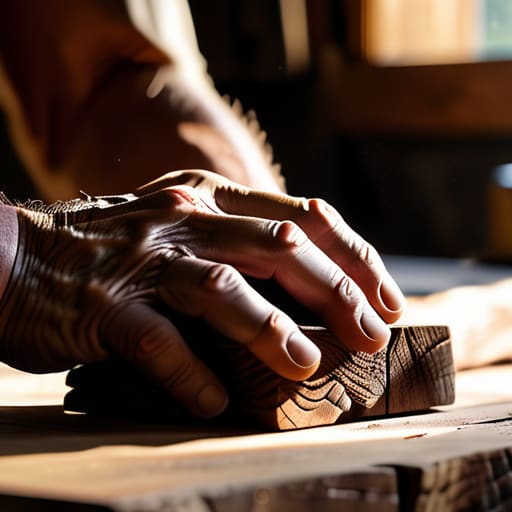
When I’m at my workbench, there’s a specific kind of silence required to feel the grain of a piece of walnut or to sense if a joint is truly seated. It’s a quiet dialogue between my hands and the material. But when the clock starts ticking toward a shipment date, that dialogue breaks. The cognitive load and time pressure of a looming deadline act like static on a radio; you can’t hear the subtle frequencies anymore. You stop listening to the wood and start listening to the calendar.
In my studio, I’ve noticed that the most elegant solutions usually arrive when I’m allowed to sit with a problem, letting it settle in the back of my mind. Rushing forces a shift from intuitive problem-solving to mere pattern matching. You stop asking “Is this right?” and start asking “Will this pass?” This is where the psychological effects of time constraints become most visible. You aren’t designing anymore; you are just navigating a minefield of checkboxes, trading the soul of the object for the safety of a completed task.
Sacrificing the Soul the Impact of Rushing on Error Rates
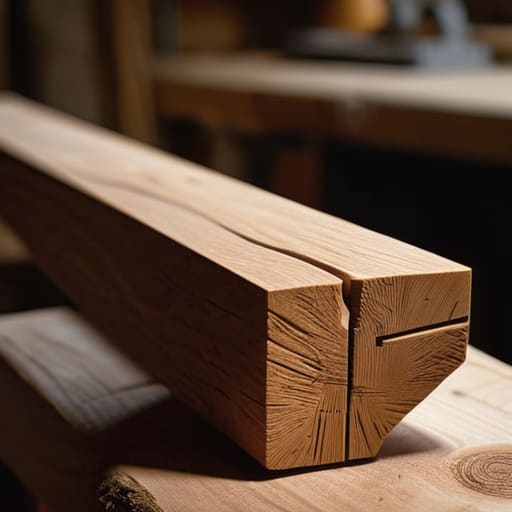
In my studio, I have a shelf of “failures”—prototypes where the joinery was a fraction of a millimeter off, or the grain direction was ignored because I was more worried about the shipping date than the wood itself. When you’re racing a clock, you stop looking at the material and start looking at the calendar. This is where the impact of rushing on error rates becomes most visible; it isn’t usually a catastrophic collapse, but a slow erosion of precision. You begin to settle for “good enough” because the mental energy required to fix a mistake feels more expensive than the mistake itself.
This frantic pace creates a specific kind of fatigue. It’s not just physical tiredness; it’s the psychological exhaustion of constantly triaging tasks. When we try to force balancing speed and accuracy in a vacuum, we almost always sacrifice the latter. You end up making decisions based on momentum rather than intent. I’ve found that the most expensive errors aren’t the ones that break the object, but the ones that make it feel hollow—the subtle, rushed choices that strip the soul out of the craft.
The Friction of Speed When Balancing Speed and Accuracy Fails
In my studio, there is a specific kind of silence that precedes a mistake. It isn’t the quiet of deep focus; it’s the hollow stillness of someone trying to move too fast through a problem that requires stillness. When I’m working on a complex joinery detail, there is a delicate dance between balancing speed and accuracy, but a deadline turns that dance into a frantic scramble. You stop looking for the most elegant solution and start looking for the one that won’t cause a confrontation with the clock.
This is where the real damage happens. We talk about efficiency, but we rarely talk about the cost of the shortcuts we take to meet a milestone. When you are constantly fighting the impact of rushing on error rates, you aren’t actually producing work; you are merely managing a series of controlled failures. You start to accept “good enough” not because the design demands it, but because your nervous system is screaming for the task to be over. In the end, you aren’t just losing time—you’re losing the ability to care about the nuances that actually make a piece of furniture worth owning.
The Cost of the Clock Workplace Stress and Productivity Loss
I have a shelf in the back of my studio dedicated to the “almosts”—the chairs with the wrong radius, the joints that were just a hair too loose. When I look at them, I don’t just see failed geometry; I see the physical manifestation of a designer working under a heavy, invisible weight. When the clock becomes the primary driver of a project, the internal landscape shifts from creative problem-solving to mere survival. This is where the true psychological effects of time constraints begin to erode the foundation of the work. You stop asking “Is this right?” and start asking “Is this done?”
It’s a subtle, corrosive transition. We tell ourselves we are being efficient, but we are actually just trading our long-term capacity for short-term completion. This constant state of high-alert leads to a specific kind of burnout from tight schedules that isn’t just about being tired; it’s about the exhaustion of losing your agency. When you are constantly sprinting to meet a milestone, you lose the ability to inhabit the space between the idea and the execution. You aren’t designing anymore; you’re just reacting to the ticking of a clock.
The Slow Burn Navigating Burnout From Tight Schedules
There is a specific kind of exhaustion that doesn’t come from a long day of physical labor, but from the relentless, grinding pace of a calendar that refuses to breathe. In my studio, I’ve seen it happen to the most talented craftsmen—the moment when the creative spark isn’t just dampened, but extinguished. When you are constantly operating under the shadow of a looming delivery, you stop solving problems and start merely surviving them. This is the true nature of burnout from tight schedules; it isn’t a sudden collapse, but a slow, steady erosion of the self.
You begin to lose the ability to care about the nuance of a joinery detail or the subtle grain of a wood sample. You find yourself settling for “good enough” because the alternative is a mental breakdown. This persistent state of high alert creates a heavy psychological toll that lingers long after the project is shipped. Eventually, the work stops feeling like an expression of skill and starts feeling like a series of chores designed to stave off failure. When you are perpetually running just to stay in place, you eventually run out of ground.
The Psychological Toll Understanding the Effects of Time Constraints
There is a specific kind of quiet dread that settles in when you realize the clock is no longer a tool, but an adversary. In my studio, I’ve seen it happen during the final prototyping phase: the designer stops looking for the right solution and starts looking for the fastest one. This shift creates a profound psychological weight. When we are constantly operating under the shadow of a looming due date, we stop engaging with the material—whether that’s wood, steel, or digital pixels—and start merely negotiating with it. The psychological effects of time constraints manifest as a narrowing of the mind, a sort of tunnel vision where the joy of discovery is replaced by a frantic need for closure.
It’s a heavy, invisible tax on the spirit. You begin to feel that your worth is tied strictly to your output velocity rather than the integrity of your ideas. This constant state of high-alert is exactly how we end up experiencing burnout from tight schedules; it isn’t just the hours worked, but the mental friction of knowing you are being forced to bypass your own standards. We aren’t just losing time; we are losing the capacity to care.
The Death of the Alternative
A deadline doesn’t just demand your time; it demands your curiosity. It forces you to stop asking “what if” and start asking “what’s next,” effectively killing the very tension between two competing ideas that usually makes a piece of work worth looking at.
Jonathan Marin
The Residue of the Rush
Looking back at the wreckage of a rushed project, it’s rarely the big, obvious failures that haunt me. It’s the quiet erosion—the way cognitive load narrows our vision, the way stress turns intuition into a blunt instrument, and how we slowly trade the soul of the work for the mere completion of a task. We’ve seen how deadlines don’t just squeeze our schedules; they squeeze our ability to think, to err, and to ultimately find the nuance that separates a functional object from a meaningful one. When we prioritize the clock over the craft, we aren’t just being efficient; we are systematically stripping the character out of everything we build.
I spend my evenings at my letterpress, a machine that demands a pace it refuses to negotiate with. It taught me that true quality isn’t found in the absence of friction, but in the space we allow ourselves to navigate it. We must stop viewing time as an enemy to be defeated and start seeing it as the essential medium through which good work breathes. If we want to create things that endure, we have to protect the sacred margin—that small, unhurried window where the most important decisions are made. Because in the end, the most beautiful part of any design isn’t the perfection of the final line, but the courage to stay in the struggle a little longer.
