Starting a Part Again
I was staring at a walnut chair leg last Tuesday, the kind of piece that should have been a triumph, but instead felt like a lie. There is this pervasive, expensive myth in design circles that you need a formal “post-mortem” or a complex matrix of KPIs to determine if a mistake is fatal. It’s nonsense. In reality, knowing how to decide to remake a part isn’t a mathematical equation; it’s a visceral, often uncomfortable, gut check that happens when you realize the object is no longer telling the truth you intended.
I’m not here to give you a spreadsheet or a checklist of industry buzzwords. I want to talk about the friction between what is functional and what is right. Over the next few minutes, I’ll share the messy, unpolished criteria I’ve used over twenty years of production—the moments where I chose to scrap a week’s worth of labor because a joint felt spiritually dishonest. This is about the hard-won distinction between a minor flaw you can live with and the quiet, nagging realization that you must start again if you want to call the work finished.
The Ghost of the Failed Attempt How to Decide to Remake a Part

I have a shelf in the back of the studio, tucked behind some walnut offcuts, that acts as a graveyard for my indecision. It’s filled with joints that didn’t seat right and CNC-milled components that looked fine on screen but felt wrong in the hand. When I’m staring at a piece that isn’t quite meeting the mark, the struggle isn’t just technical; it’s an internal tug-of-war between pragmatism and my own standards. You start performing a mental cost-benefit analysis of part replacement, weighing the hours lost against the quiet, nagging dread that the flaw will eventually become the object’s defining characteristic.
The real difficulty lies in distinguishing between a minor surface imperfection and a fundamental failure of material integrity evaluation. If the error is cosmetic, you might call it “character,” but if the structural logic is compromised, you have to commit. I’ve learned that the most expensive mistake isn’t the scrap pile—it’s the decision to push through a defect because you were too tired to start over. Sometimes, the only way to maintain your sanity is to listen to that ghost of a failed attempt and simply begin again.
The Threshold of Error a Quality Control Assessment

There is a specific, heavy silence that settles in the studio when you realize a component is wrong. It isn’t the loud crash of a mistake; it’s the quiet realization that the geometry is just off. In those moments, you aren’t just looking at a piece of wood or metal; you are performing a mental material integrity evaluation. You have to ask yourself if the flaw is a surface-level scar that can be sanded away, or if the error has compromised the very soul of the object.
This is where the pragmatism of the shop floor meets the idealism of the design studio. You start running a mental cost-benefit analysis of part replacement against the ticking clock of a deadline. Is this a case of manufacturing rework vs scrap, or can we live with the imperfection? I’ve learned that the most dangerous trap is trying to force a fix on a part that has already lost its structural honesty. Sometimes, the only way to maintain the integrity of the whole is to admit that this specific piece is a ghost, and let it go.
The Cruel Calculus Manufacturing Rework vs Scrap
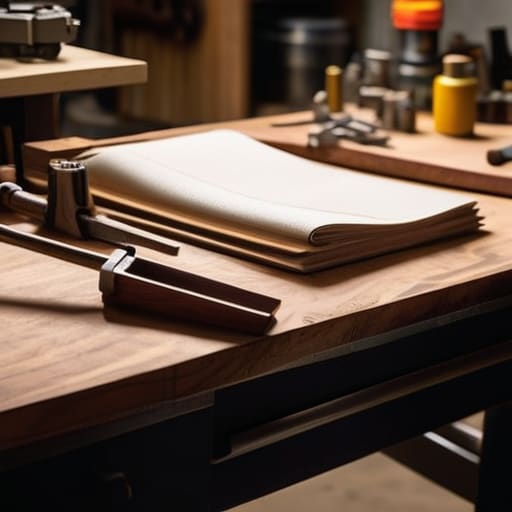
There is a specific, cold tension that sets in when you’re staring at a batch of components that aren’t quite right. It’s no longer about the elegance of the curve or the grain of the wood; it becomes a mathematical standoff between manufacturing rework vs scrap. I have a shelf in my studio filled with these moments—pieces that were almost saved by a quick sanding or a slight adjustment, only to fail later under stress. You start running a mental cost-benefit analysis of part replacement, weighing the labor hours required to fix the error against the raw cost of starting from a fresh slab of walnut or a new sheet of aluminum.
But the math isn’t just about dollars; it’s about the integrity of the workflow. If you spend three hours trying to coax a flawed joint into submission, you aren’t just losing time; you are eroding the standard of the entire run. Sometimes, the most disciplined design decision is the one that feels like a defeat: throwing the part in the bin. In my experience, trying to “save” a piece often compromises its structural soul, making the decision to scrap it the only way to truly respect the original intent.
Preserving the Soul Material Integrity Evaluation
There is a specific kind of heartbreak that comes with a failed casting or a grain pattern that refuses to cooperate with a joint. In my studio, I have a shelf of these—pieces that looked fine on paper but felt wrong the moment the light hit them. When you are performing a material integrity evaluation, you aren’t just looking for structural failure; you are looking for a loss of character. A part can meet every technical tolerance and still feel like a lie. If the material has been compromised—perhaps through excessive heat during a rework attempt or a hairline fracture that the sensors missed—the object loses its dignity.
You have to ask yourself if the fix is merely cosmetic or if it fundamentally alters the medium. I’ve seen too many projects fall into the trap of trying to force a piece of walnut or a sheet of aluminum to behave like something it isn’t. This is where the tension between utility and essence becomes most acute. If you patch a flaw but end up with a hybrid that lacks the original intent, you haven’t saved a part; you’ve just created a ghost of the design you actually meant to build.
The Weight of Compromise Cost Benefit Analysis of Part Replacement
In my studio, the math of a mistake is rarely just about the price of the raw timber or the hours lost to the CNC machine. It’s a heavier sort of arithmetic. When I sit down to perform a cost-benefit analysis of part replacement, I’m not just looking at the invoice; I’m looking at the shadow the error casts over the rest of the assembly. If a joint is slightly off, do I sand it down and hope for the best, or do I pull the trigger on a total remake? It’s a question of whether the fix will eventually become a structural lie that undermines the entire piece.
Sometimes, the most expensive thing you can do is try to save a single component through excessive manufacturing rework vs scrap logic. I’ve seen designers spend three days trying to “save” a flawed bracket, only to realize they’ve traded their sanity and their margin for a part that will never sit true. There is a certain dignity in cutting your losses. Choosing to scrap a part isn’t a failure of skill; often, it is the only way to uphold the integrity of the final object.
Upholding the Unseen Maintaining Engineering Standards
There is a quiet, almost invisible pressure that comes with maintaining engineering standards once a design moves from my sketchbook to the factory floor. It isn’t just about whether a joint fits or a surface is smooth; it is about the cumulative integrity of the whole. When you are deep in the weeds of production defect management, it is tempting to view a single deviation as an isolated incident. But in my experience, a part that sits just outside the tolerance isn’t just a technical hiccup—it is a crack in the foundation of the entire build.
I often find myself staring at a component that is technically functional but feels fundamentally wrong. This is where the real discipline lies. You have to resist the urge to rationalize away a flaw just because the cost-benefit analysis of part replacement looks grim on a spreadsheet. If you allow a minor deviation to pass, you aren’t just saving money; you are setting a new, lower standard for everything that follows. True craftsmanship is found in those moments where you choose the harder path, ensuring the unseen structural logic remains as precise as the visible finish.
Mastering the Chaos Strategic Production Defect Management
There is a specific kind of madness that sets in when a defect isn’t just a one-off fluke, but a pattern emerging from the machinery. You stop looking at the individual piece and start looking at the system. Effective production defect management isn’t about fixing the error; it’s about diagnosing the moment the logic of the shop floor broke down. I’ve spent enough years watching sawdust settle on a failed joinery run to know that if you only fix the symptom, you’re just delaying the next inevitable failure.
Managing this chaos requires a certain level of emotional detachment. You have to move past the frustration of the wasted material and look at the data with a cold eye. It’s a constant balancing act between the immediate impulse to scrap everything and the tempting, often dangerous, urge to “make it work” through cleverness. Ultimately, you aren’t just managing parts; you are protecting the rhythm of the studio. If you lose control of the defect loop, the chaos eventually stops being an outlier and starts becoming your new standard.
The Cost of a Quiet Conscience
You can always calculate the cost of the wasted timber or the lost hours on a spreadsheet, but no ledger accounts for the way a flawed joint sits in your gut every time you look at the finished piece. Remaking a part isn’t just a logistical pivot; it’s the refusal to let a mistake become the silent foundation of your work.
Jonathan Marin
The Final Cut
Deciding whether to scrap a component or attempt a repair isn’t just a technical calculation; it is a series of high-stakes negotiations between the budget, the timeline, and the material itself. We have looked at the cold math of manufacturing rework, the structural necessity of maintaining engineering standards, and that nagging, intuitive sense of material integrity that tells you a part just isn’t right. Ultimately, the decision to remake a part comes down to recognizing where the line sits between a manageable production defect and a fundamental failure of the object’s intent. You have to weigh the cost of the scrap against the long-term cost of a compromise that will eventually haunt the finished product.
In the end, I find myself looking at my shelf of rejected prototypes—those dusty, labelled reminders of what didn’t work—and realizing they aren’t failures at all. They are the evidence of a standard being upheld. When you stand over a workbench, staring at a piece that is almost right but fundamentally flawed, remember that your job isn’t just to finish the assembly. Your job is to protect the integrity of the design. Choosing to start over is rarely the easy path, but it is often the only one that leads to a piece worth keeping. The most meaningful objects are those where you had the courage to reject the easy mistake.
