
Showing a Design Without Renderings
I have a shelf in my studio dedicated entirely to the “almosts”—the chair legs that were too aggressive, the joinery that failed the stress test, the finishes that looked like mud in natural light. Most people think the goal of a pitch is to present a polished, untouchable masterpiece, but that’s a lie. If you approach a meeting by trying to hide the struggle, you’ve already lost. When people ask me how to present a design to a client, they expect a lecture on slide decks and color palettes, but they should be looking at the scars of the process instead.
I’m not here to give you a template from a management textbook or a list of buzzwords to charm a stakeholder. I want to talk about the grit of the actual conversation—the moment you stop being a vendor and start being a partner. I’ll share what I’ve learned from twenty years of showing my work, from the high-end production lines to the small studio commissions, about how to defend the decisions that nearly went the other way. We aren’t just selling an object; we are selling the logic of the constraint.
The Ghost of the Rejected Idea Why Every Pitch Matters

I have a shelf in the corner of my studio, crowded with offcuts of walnut and failed joinery. Most people see junk, but I see the logic of the detour. When you are building a design pitch deck structure, there is a massive temptation to present only the polished, inevitable conclusion—the “perfect” version. But that version is often a lie. It suggests the design arrived by magic rather than through a series of hard-won concessions.
If you only show the winner, you aren’t actually presenting design concepts effectively; you are performing a magic trick. By leaving out the near-misses, you rob the client of the chance to see your rigor. I’ve found that the most successful way of managing client feedback loops is to invite them into the struggle. When you show them the version that almost made the cut, you aren’t showing weakness; you are demonstrating the intellectual weight behind your final choice. You aren’t just giving them a chair or a table; you are showing them why this specific iteration is the only one that survived the scrutiny of your own process.
Mastering the Art of How to Present a Design to a Client
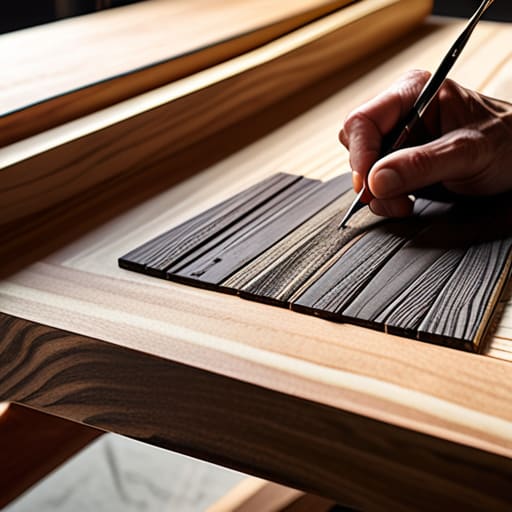
When I sit down to build a pitch deck, I stop thinking about the furniture and start thinking about the narrative. You aren’t just showing them a chair; you are inviting them into a series of solved problems. Effective visual storytelling in design isn’t about making things look pretty—it’s about demonstrating the logic of the evolution. I’ve learned that if you jump straight to the polished render, you leave the client with no way to understand the “why” behind the “what.” You have to guide them through the tension of the process, showing how a specific joinery detail or a change in timber species wasn’t just a whim, but a necessary response to a constraint.
This leads into the harder part: managing client feedback loops without losing your soul. I used to take every critique as a personal affront to my craftsmanship, but twenty years in the studio has taught me that a critique is often just a client’s clumsy way of expressing a functional need. The trick is to listen for the intention behind their words. When they say, “I don’t like this leg,” they might actually mean “this feels too heavy for the room.” If you can translate their hesitation into a design problem, you aren’t just a vendor; you become a partner.
Building a Design Pitch Deck Structure That Tells a Story
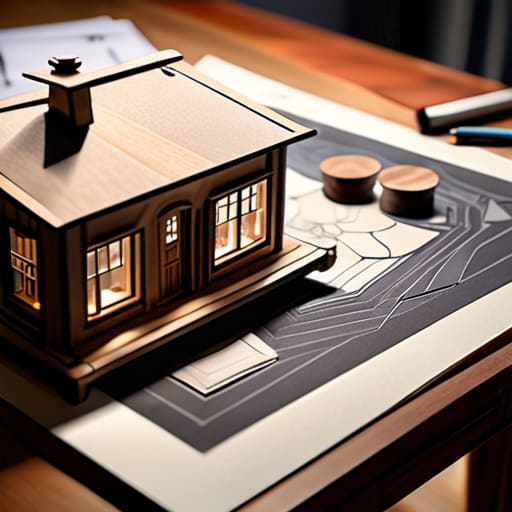
A good design pitch deck structure isn’t a linear slideshow; it’s a narrative arc. I’ve learned through years of production runs that if you start with the solution, you’ve already lost the battle. You have to start with the problem—the tension, the constraint, the specific friction point that the furniture or the layout is meant to solve. By the time you reveal the final form, the client should feel like they’ve walked the same path you did. This is where visual storytelling in design becomes your most practical tool, transforming a mere collection of renders into a logical inevitability.
The middle of your deck should be the “messy” part. Don’t be afraid to show the evolution. If you jump straight from the brief to the polished 3D model, you aren’t presenting; you’re performing. Instead, weave in those pivotal moments where a material choice or a dimension changed the entire trajectory of the piece. When you focus on presenting design concepts effectively through this lens of evolution, you aren’t just showing them a product; you are showing them your reasoning. That is what builds the trust necessary to survive the inevitable critique.
Visual Storytelling in Design Selling the Choice You Made
When I’m laying out a deck, I find myself thinking about the tension between what the eye sees and what the mind understands. It isn’t enough to simply drop a high-fidelity render onto a slide and hope for the best; that’s just showing a pretty picture. Real visual storytelling in design requires you to bridge the gap between a functional object and the logic that birthed it. I like to use imagery that shows the evolution of a silhouette or the grain of a specific timber, not just as decoration, but as evidence. You aren’t just showing them a chair; you are showing them the moment the curve finally met the ergonomic requirement.
This is where many designers stumble, often by treating their presentation like a gallery opening rather than a conversation. If you want to master presenting design concepts effectively, you have to treat your visuals as a roadmap of your decision-making process. I’ve learned that if I can visually demonstrate why a certain joint or material failed during the prototyping stage, the client stops looking for flaws and starts looking for intent. They aren’t just buying a product anymore; they are buying into the rigor of your process.
Refining Client Communication Skills for Designers in High Stakes Moments
There is a specific kind of tension that fills a room when you move from the “what” to the “why.” It’s the moment where the technicality of the work meets the subjectivity of the person paying for it. I’ve learned through years of studio work that refining your client communication skills for designers isn’t about having a silver tongue; it’s about maintaining your composure when a client asks for a change that you know, in your gut, will ruin the silhouette. You have to learn the difference between a client who is genuinely confused and one who is simply reacting to the discomfort of a new idea.
When the critique gets sharp, the instinct is to get defensive—to protect the object like it’s a piece of your own anatomy. But handling design critiques professionally requires a certain level of detachment. Instead of arguing, try leaning into the constraint. If they hate a specific taper or a joinery detail, don’t just repeat your reasoning; ask them to describe the feeling the change is meant to evoke. It turns a confrontation into a collaborative investigation, ensuring you are managing client feedback loops without sacrificing the integrity of the original intent.
Managing Client Feedback Loops Without Losing Your Creative Soul
There is a specific kind of exhaustion that sets in when a client asks you to “just make it pop” or, worse, asks you to revert to a version you already proved was structurally unsound. I have a shelf in my studio filled with those “tweaks” that eventually killed the soul of a piece. When you are managing client feedback loops, the temptation is to become a polite order-taker, a human cursor responding to clicks. But if you surrender every critique, you aren’t a designer anymore; you’re just a highly skilled technician.
The trick to handling design critiques professionally isn’t about defending your ego; it’s about defending the logic. When the feedback comes in, don’t react to the emotion of the comment. Instead, translate their subjective feeling back into a design problem. If they say a chair looks “too aggressive,” they are actually telling you the visual weight is unbalanced. By reframing the conversation around the original constraints, you keep the dialogue focused on the work rather than a battle of wills. You stay the expert, and the design stays intact.
Handling Design Critiques Professionally to Defend Your Best Decisions
When the critique starts, the instinct is to tighten your grip on the work, as if your passion alone could act as a structural support. I’ve spent enough years in the studio to know that a critique isn’t an attack on your talent, but a collision between your intent and their reality. The trick to handling design critiques professionally isn’t to win the argument, but to translate the friction. If a client says a chair feels “too aggressive,” they aren’t necessarily critiquing the geometry; they are expressing a misalignment with the intended atmosphere.
Instead of retreating into technical jargon, use your client communication skills for designers to dig into the “why” behind their discomfort. Don’t just defend the line you drew; explain the constraint that forced it into existence. When you frame your decisions as a series of solved problems rather than mere aesthetic preferences, you stop being a vendor and start being a partner. It’s about showing them that your choice wasn’t a whim, but the most logical outcome of the boundaries you both agreed upon.
The Weight of the Unchosen Path
When you sit across from a client, don’t just sell them the polished finality of your work. Sell them the struggle. If they don’t see the three versions you killed to get to this one, they won’t understand that this design isn’t just a pretty choice—it’s the only logical survivor of a very difficult fight.
Jonathan Marin
The Final Grain of Truth
At the end of the day, presenting a design isn’t about performing a polished magic trick or hiding the scars of the process. It’s about the architecture of your argument. We’ve talked about structuring the narrative, managing those inevitable feedback loops, and why showing the “ghost” of the rejected idea is often more persuasive than the final render itself. When you walk into that room, you aren’t just selling a finished object; you are selling the rigor of your decision-making. If you can demonstrate that your solution wasn’t just a lucky guess, but the result of a thousand small, calculated pivots, you stop being a vendor and start being a partner.
I often look at the stack of rejected prototypes in the corner of my studio—the ones with the handwritten notes explaining why the joinery failed or the proportions felt off. They remind me that a design is only as strong as the alternative it survived. As you head into your next pitch, don’t aim for perfection; aim for clarity of intent. The most successful designers are the ones who can stand behind their work not because it is flawless, but because they know exactly why every other path was taken. That is where the real craft lives.
