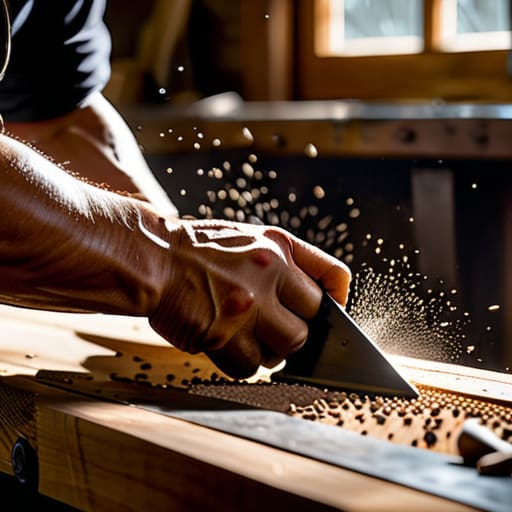
Sharpening as Part of the Work
I remember sitting on the floor of my first studio, surrounded by half-finished walnut joinery and a mounting sense of failure because my chisel felt like a blunt spoon. I was obsessed with the output—the finished chair, the polished surface—and I viewed every minute spent at the whetstone as a thief stealing time from my actual work. I used to tell myself that I’d get to the maintenance once the “real” design was done, but that was a lie born of impatience. The truth I had to learn the hard way is why sharpening is not an interruption; it is the very foundation of the decision-making process.
I’m not here to sell you on some high-end, automated gadget or a way to skip the grunt work. Instead, I want to talk about the tactile reality of the edge and how a truly sharp tool changes the way you think about a cut. I’ll be sharing what twenty years of sawdust and failed prototypes have taught me: that the time spent honing isn’t a pause in your workflow, but rather where the real work begins.
Understanding Why Sharpening Is Not an Interruption
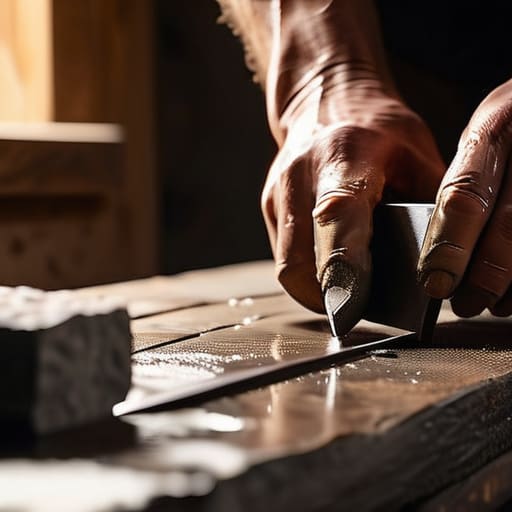
I used to view the whetstone as a nuisance, a thief of time that pulled me away from the actual act of creation. In my early years in the studio, I chased the myth of the unbroken streak, believing that any moment spent away from the wood was a moment lost to inefficiency. But I was wrong. I’ve come to realize that stepping back to the stone is actually a form of cognitive preparation for performance. When I’m working a difficult curve, my mind is racing ahead of my hands; sharpening forces a recalibration. It isn’t a detour; it is the moment I settle my breathing and realign my intent.
There is a specific kind of rhythm to it that mirrors the work itself. As I move the steel across the grit, I’m not just refining an edge; I’m maintaining a flow state that is more mental than physical. It’s a meditative transition that prevents the frantic, sloppy errors that come from pushing a dull tool too hard. By the time I set the chisel back down, the edge is ready, but more importantly, my focus is too.
Key Things to Know
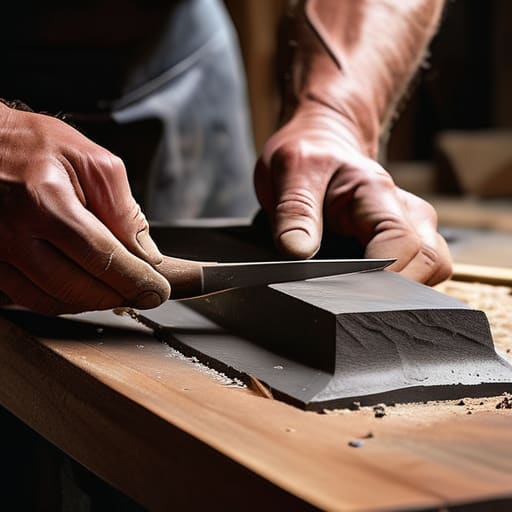
I’ve learned through decades of prototyping that the most dangerous moment in a workshop isn’t a mistake; it’s the false sense of momentum. We often treat tool maintenance like a chore that pulls us away from the “real” work, but that’s a misunderstanding of how we actually function. When I step away from a piece of walnut to address a dull chisel, I’m not stopping; I am engaging in a form of cognitive preparation for performance. It’s a way of resetting the nervous system so that when the steel finally meets the grain again, the connection is precise rather than forced.
If you view the grindstone as an obstacle, you’ll always feel rushed. Instead, try to see it as a method of maintaining flow state through rhythm. There is a specific kind of mental clarity that comes from the repetitive, tactile nature of honing an edge. It acts as a bridge between the frantic energy of creation and the stillness required for execution. By treating these moments as intentional rather than accidental, you turn a mechanical necessity into a way of optimizing skill development without the burnout of constant, unthinking motion.
Practical Tips and Steps
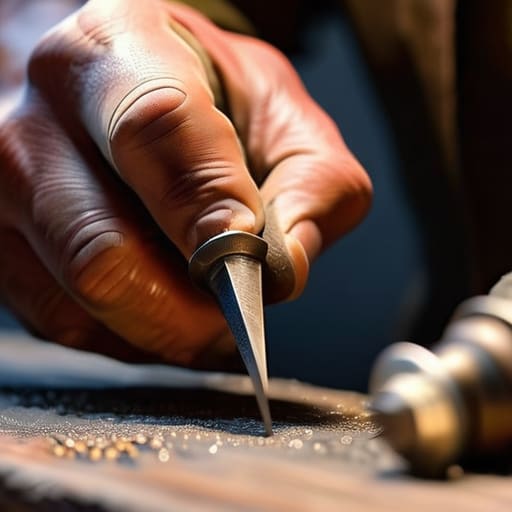
I’ve learned that the best way to integrate this isn’t to wait for a tool to fail, but to treat it as a rhythmic part of the session. I keep a small, fine-grit stone right next to my workbench, not tucked away in a drawer. This allows for what I call micro-adjustments—taking two minutes to hone an edge before the frustration of a dull blade can even set in. It’s less about the metal and more about maintaining flow state; by tending to the tool, I’m actually tending to my own concentration.
If you find yourself fighting the material, stop. Don’t push through the resistance. Instead, use that moment as a form of cognitive preparation for performance. I treat the act of sharpening as a ritualistic reset. I clear my mind, focus on the geometry of the bevel, and let the repetitive motion settle my nerves. It isn’t a detour from the work; it is the deliberate calibration of both the edge and the hand that holds it.
Common Mistakes to Avoid
The biggest mistake I see—and I’ve certainly fallen into it myself during those frantic, deadline-driven weeks—is treating the sharpening stone as a nuisance to be bypassed. We tend to view a dull chisel as a temporary inconvenience rather than a signal. When you push through the resistance of a blunt edge, you aren’t being productive; you’re just fighting the material. This friction creates a frantic sort of energy that shatters your mental acuity and focus, turning a precise task into a clumsy struggle.
Another trap is the urge to rush the process to get back to the “real” work. I have a shelf of rejected joinery that exists solely because I thought I could squeeze one more cut out of a dying edge. True craftsmanship requires deliberate practice techniques, even in the maintenance phase. If you treat sharpening as a chore to be finished quickly, you miss the subtle feedback the steel gives you. You end up forcing the tool, which is the fastest way to lose your rhythm and, eventually, your patience.
Final Thoughts
I often find myself looking at my shelf of rejected prototypes—the ones with the slightly too aggressive taper or the joinery that just didn’t sit right. They aren’t failures; they are the physical record of a moment where I chose one path over another. Sharpening is much the same. It isn’t a detour from the work, but rather a necessary part of the cognitive preparation for performance. When I step away from the workbench to tend to my chisels, I’m not stopping; I am recalibrating my intent.
There is a specific kind of peace found in the repetitive, rhythmic motion of the stone. It’s a form of deliberate practice that clears the mental fog, allowing me to return to the wood with a renewed sense of purpose. We often mistake stillness for stagnation, but in design, the most profound progress often happens in these quiet, preparatory intervals. If you treat the maintenance of your tools as a chore, you’ll always feel behind. But if you see it as a way of maintaining flow state, you realize that the edge is never truly ready until you’ve taken the time to respect it.
The Friction of Progress
We tend to treat sharpening like a chore that stands between us and the real work, but in my studio, I’ve learned that a dull edge is just a lack of clarity. Sharpening isn’t a pause in the process; it is the moment you stop fighting the material and start actually shaping it.
Jonathan Marin
The Edge of the Decision
At the end of the day, we have to stop viewing the whetstone as a thief of time. If you treat sharpening as a chore to be rushed through, you aren’t just dulling your steel; you are dulling your ability to sense the material. We’ve looked at the mechanics—the importance of consistent angles, the necessity of clean steel, and the way a dull tool forces you to fight the wood rather than work with it. When we stop seeing maintenance as a disruption and start seeing it as a calibration of intent, the entire workflow shifts. It isn’t about fixing something that broke; it is about maintaining the dialogue between your hand and the grain.
I often look at the scrap pile in the corner of my studio, those rejected prototypes that didn’t quite make the cut, and I realize that the most important moments weren’t the successful cuts, but the moments I stopped to reset. There is a quiet, meditative dignity in the ritual of the hone. It is the pause that allows the next move to be precise rather than desperate. Don’t rush toward the finish line at the expense of your tools. Instead, embrace the friction, because the most meaningful work usually happens in the space where you choose to slow down and find your edge again.
