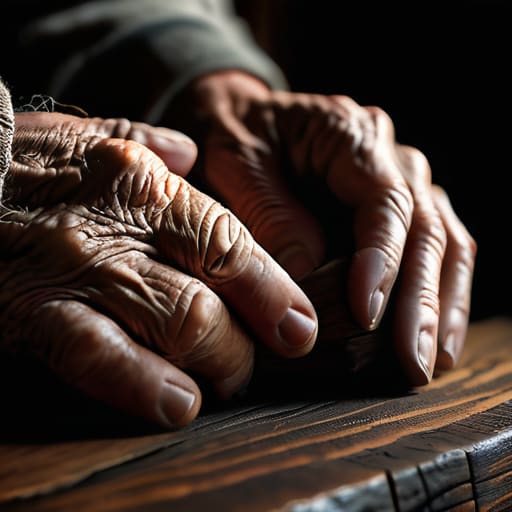
Patina Is a Record of Hands
I spent three hours yesterday scrubbing a brass inlay on a prototype chair, trying to chase a specific shade of oxidation that I thought looked “authentic.” It was a waste of time. We’ve been sold this high-end lie that patina is some curated, aesthetic finish you can buy in a spray can or achieve through a weekend of chemical washes. But if you listen to the marketing gloss, you miss the truth: what patina actually is has nothing to do with a controlled chemical reaction and everything to do with uncontrolled history. It isn’t a coating; it’s the physical residue of a life being lived around an object.
I’m not here to give you a chemistry lesson or a guide to “distressing” your furniture to look old. I want to talk about the friction between intention and reality. Over the next few pages, I’ll share what I’ve learned from twenty years of watching materials fail, age, and eventually succeed in ways I never planned. We’re going to look at the honest scars left by use, and why the most beautiful part of any piece is often the evidence of a decision—or a mistake—that nearly went the other way.
The Ghost of the Other Path What Patina Actually Is
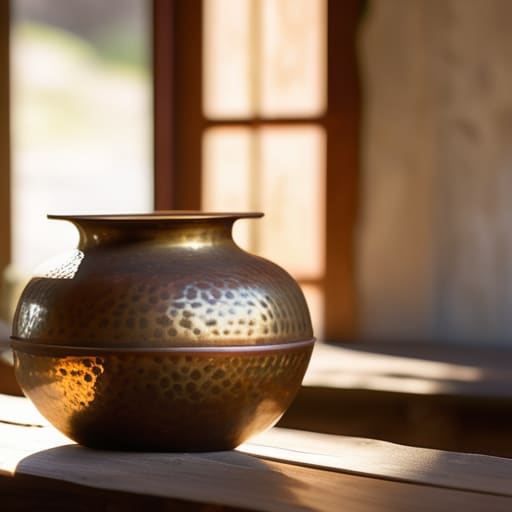
I’ve spent enough time in the studio to know that a material’s true character doesn’t show up in the showroom. When I look at a piece of brass, I’m not just looking at a finish; I’m looking at a timeline. People often mistake the surface aging process for mere wear and tear, but that’s a reductive way to see it. To me, patina is the physical record of a thousand tiny collisions between an object and the world. It is the residue of existence.
Take the way copper develops those deep, variegated oxidation layers. It isn’t just a chemical reaction; it’s a map of where hands have rested and where the air has bit hardest into the grain. There is a vital distinction to be made between metal corrosion vs patina—the former is a failure of the material, a structural surrender, while the latter is a dialogue. It is the way a material negotiates its survival against the environment. When I see a well-worn leather chair, I see the leather aging characteristics as a series of successful compromises, a slow-motion settling into its final, intended form.
The Surface Aging Process a Record of Near Disasters
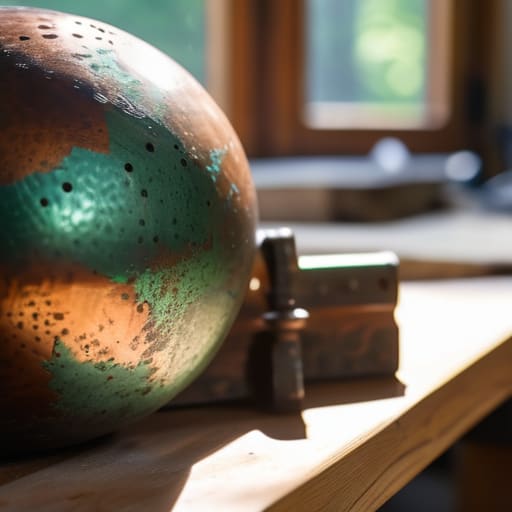
I have a shelf in my studio dedicated to what I call the “near-misses”—prototypes where a joint was too loose or a finish was too aggressive. Looking at them, I realize that the surface aging process isn’t just a chemical inevitability; it is a slow-motion dialogue between my intentions and the environment. When I work with brass or bronze, I’m not just designing a static object; I am designing a starting point for a series of controlled accidents.
There is a sharp, technical distinction between metal corrosion vs patina. Corrosion is a failure, a structural surrender to the elements that eats the material away. But patina? That is a protective, even beautiful, negotiation. Whether it is the deepening of copper oxidation layers or the way certain leather aging characteristics develop around the edges of a seat, these changes represent the material finding its equilibrium. We often mistake the aesthetic value of aging for mere wear and tear, but in my shop, I see it as the object finally settling into its own skin, documenting every touch and every breath of humid air.
Copper Oxidation Layers When Chemistry Almost Ruined Everything
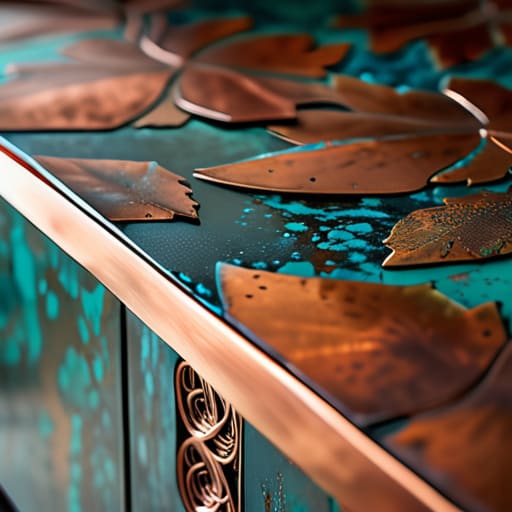
I remember a sideboard I was prototyping back in ’08—a heavy, minimalist piece with thick copper sheeting. I had spent weeks obsessing over the finish, terrified that the humidity in the studio would trigger a runaway reaction. I was looking for a controlled, subtle darkening, but instead, I got a violent, blotchy bloom of turquoise. In the world of production lines, that’s a defect; it’s a failure of specification. But looking at it now, sitting in my workshop next to my letterpress, I realize that those specific copper oxidation layers are the only reason the piece feels alive.
The difference between metal corrosion vs patina is essentially a matter of intent and time. Corrosion is a destructive descent into decay, whereas patina is a conversation between the material and its surroundings. When those environmental effects on materials take hold, they aren’t just changing the color; they are documenting the air, the touch, and the very atmosphere of the room. It’s the same way I view leather aging characteristics—the creases and oils aren’t damage, they are the physical residue of a life being lived.
Leather Aging Characteristics the Texture of a Life Lived
I have a chair in the corner of my studio—a simple, cognac-colored sling seat—that I nearly scrapped three years ago because the hide felt too “perfect.” It lacked soul. Now, looking at the deep creases where the grain has collapsed and the dark, oily sheen where hands have rested for a thousand afternoons, I realize that perfection is a sterile dead end. These leather aging characteristics aren’t just signs of wear; they are a physical map of every time someone sat down to think, to rest, or to argue.
Unlike the chemical aggression of copper oxidation layers, which feel like a slow-motion battle against the air, leather aging feels more like a conversation. It absorbs the oils from your skin and the humidity of the room, translating the environmental effects on materials into a unique topography. You can see where the tension was too high and where the material finally yielded. To me, a pristine leather surface is a missed opportunity; the real aesthetic value lies in those dark, burnished spots that tell you exactly where the object was most useful.
Metal Corrosion vs Patina the Thin Line of Intent
In my studio, the distinction between a beautiful finish and a structural failure is often just a matter of a few microns. We talk a lot about metal corrosion vs patina, but in the workshop, that line feels less like a definition and more like a tightrope. Corrosion is an aggressive, hungry thing; it’s the rust that eats through a steel joint because the environment was too harsh or the sealant failed. It is a subtraction of integrity. Patina, however, is a controlled dialogue between the object and its surroundings. It doesn’t consume the material; it settles into it, adding a layer of history without compromising the skeleton of the piece.
I often think about the aesthetic value of aging in terms of agency. When I design a brass handle, I’m not just choosing a metal; I’m choosing how it will eventually surrender to the oils of human hands. If the oxidation becomes pitted or flaky, it has crossed the threshold from a graceful evolution into a mechanical error. The goal is always to find that sweet spot where the environmental effects on materials serve the design rather than dismantle it.
Environmental Effects on Materials Chaos Meeting Controlled Design
I spent most of last Tuesday in my workshop, staring at a walnut tabletop that had been sitting near an open window during a particularly humid week. It’s a reminder that as a designer, I am never truly in control. We spend months obsessing over joinery and grain direction, only to hand the piece over to the whims of the atmosphere. The environmental effects on materials are less like a slow evolution and more like a persistent, uninvited collaborator. A sudden shift in humidity or a splash of salt air doesn’t just change a surface; it rewrites the very intent of the object.
There is a tension here between what I planned and what the air demands. When I design a piece, I’m working within a vacuum of theoretical perfection, but the world is messy. The way light hits a specific corner or how a coastal breeze interacts with a metal inlay creates a unique surface aging process that no CAD model can predict. It is the moment where my controlled design meets the beautiful, unpredictable chaos of the real world, and honestly, I’ve learned to stop fighting it.
The Aesthetic Value of Aging Finding Beauty in the Compromise
We tend to treat design as a pursuit of perfection, a way to freeze a moment in time where every line is exactly where we intended it to be. But there is a certain sterility in a brand-new object; it lacks a history. When I look at a piece of furniture that has survived a decade of use, I’m not looking at the original CAD drawing. I’m looking at the aesthetic value of aging, that slow accumulation of scars and shifts that no designer can actually manufacture in a studio. It is the visual record of a thousand tiny compromises between the object and the world.
The real magic happens in the tension between the intended form and the inevitable entropy. Whether it’s the way leather aging characteristics soften a rigid silhouette or how a brass handle loses its luster, we are witnessing a dialogue. We often mistake this for decay, but it’s actually a refinement. The object is finally becoming itself, shedding the artificiality of the factory floor to embrace the chaos of reality. It’s the beauty of the near-miss: the moment where the material stops obeying my instructions and starts following its own.
The Weight of the Unchosen
We tend to talk about patina as if it’s something a material does to itself, but I’ve always seen it as the physical residue of every collision between an object and the world. It is the visual ledger of every moment where the material refused to stay static, a quiet, creeping record of the decisions we didn’t make and the environmental chaos we couldn’t quite design our way out of.
Jonathan Marin
The Final Decision
Looking back at the layers of oxidized copper or the deepening grain of a well-worn leather chair, it becomes clear that patina is rarely just a chemical reaction. It is the physical manifestation of time negotiating with our original intent. We spend our careers trying to control every millimeter of a joinery detail or the exact sheen of a finish, yet we often forget that the most honest part of an object is the part we didn’t—or couldn’t—account for. Patina is the sum of those uncontrolled variables, the beautiful residue left behind when the rigid perfection of a new object finally meets the chaos of the real world.
In my studio, I often look at my shelf of rejected prototypes—the ones with the wrong radius or the failed finish—and realize that design is less about achieving a static state of perfection and more about managing the inevitable decay. We shouldn’t design against the passage of time; we should design for it. When you choose a material, don’t just look at how it looks under the showroom lights. Look at how it will fail, how it will scar, and how it will eventually tell the story of every hand that touched it. That is where the true life of the object begins.
