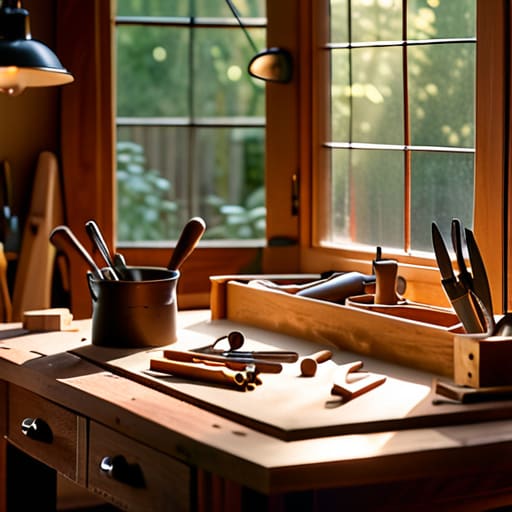
Not Working Twelve Hour Days
I was staring at a pile of walnut offcuts last Tuesday, wondering why I even bother with the slow way of doing things. Most people will tell you that pacing a project is about some grand, high-level project management software or a color-coded Gantt chart that looks beautiful on a screen but dies the moment you actually pick up a chisel. They treat it like a math problem to be solved, but after twenty years in the studio, I know that’s nonsense. Real pacing isn’t about optimization; it’s about managing the quiet erosion of your own patience. When I think about how I pace a long build, I don’t think about efficiency—I think about how to keep from making a catastrophic mistake during that third week of monotony when the initial excitement has curdled into pure friction.
I’m not here to sell you on a productivity hack or a way to work twice as fast. Instead, I want to talk about the unglamorous reality of staying in the chair when the work gets tedious. I’ll share the messy, trial-and-error methods I use to navigate the middle stretch of a project without losing my mind or my craft. This is about the discipline of the slow burn, and how to recognize the exact moment when pushing forward is actually a form of self-sabotage.
The Crucial Pivot How I Pace a Long Build
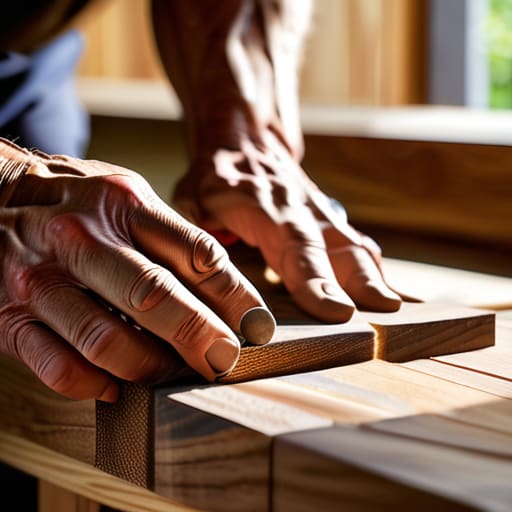
I’ve learned that the greatest threat to a complex build isn’t a lack of skill, but the sheer weight of the middle. There is a specific, hollow feeling that sets in around week three, when the initial excitement has evaporated and the finish line is still a distant, blurry concept. To combat this, I rely on incremental progress strategies that prioritize the small, tactile wins. I don’t look at the entire sideboard; I look at the single tenon I need to cut before lunch. If I try to mentally inhabit the completed piece too early, the scale of the remaining work becomes paralyzing.
Managing that internal friction is really about protecting the creative energy required for the final assembly. I’ve developed a rhythm of alternating high-intensity technical work with low-stakes tasks, like cleaning the shop or organizing my letterpress type, to prevent the mental exhaustion that leads to sloppy mistakes. It isn’t about working faster; it’s about maintaining focus over time by acknowledging that some days are meant for precision, while others are merely meant for staying in the room.
Managing Project Momentum When the Initial Spark Fades
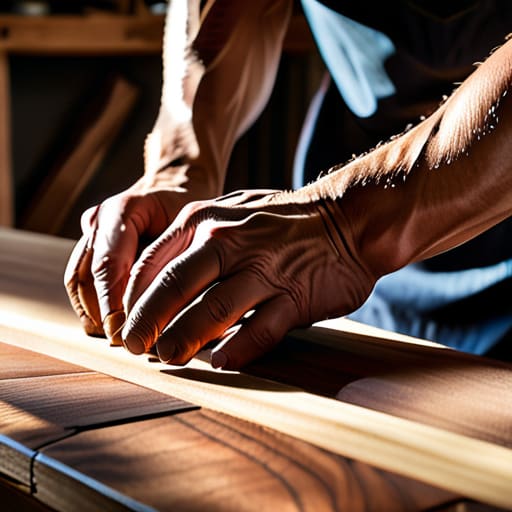
There is a specific kind of silence that settles in a studio around week four of a major project. The novelty has evaporated, the initial adrenaline is gone, and you’re left staring at a pile of half-milled walnut that feels more like a burden than a masterpiece. This is where most people trip up; they try to force the energy, treating the lack of inspiration as a personal failure. I’ve learned that managing project momentum isn’t about finding a new spark, but about respecting the lull. I stop trying to make “big” decisions and instead pivot to the mindless, repetitive tasks—sanding a single component or organizing my drawer of rejected joinery—to keep the hands moving without draining the brain.
I’ve started treating these low-energy periods as a form of preventing burnout during builds. Instead of fighting the fatigue, I lean into it by implementing strict, incremental progress strategies. I set a timer for ninety minutes, complete one small, non-critical task, and then walk away. It’s a way of maintaining a rhythm that doesn’t rely on the fickle whims of “inspiration.” If I can just keep the momentum from hitting zero, the project stays alive.
The Near Miss Preventing Burnout During Builds
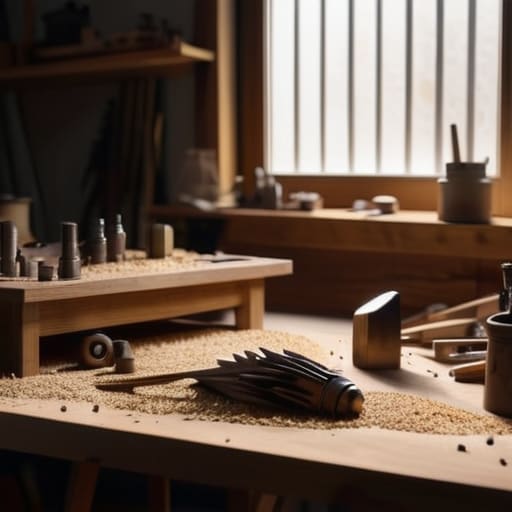
There is a specific kind of exhaustion that doesn’t come from physical labor, but from the mental friction of a project that refuses to settle into a rhythm. I call it the “middle-slump,” that heavy period where the novelty has evaporated and the finish line is still a distant, blurry concept. In my studio, I’ve learned that preventing burnout during builds isn’t about forcing more hours into the day; it’s about recognizing when the friction is becoming counterproductive. I have a shelf of rejected prototypes that exist because I pushed too hard through a moment of fatigue, making a structural error that nearly cost me the entire piece.
Instead of fighting the stagnation, I’ve started implementing incremental progress strategies that feel almost insultingly small. If I can’t face the complex joinery of a sideboard, I’ll spend forty minutes just sanding the drawer runners or organizing my letterpress inks. It’s a way of maintaining a connection to the work without the crushing weight of the “big” task. By allowing myself these low-stakes wins, I can navigate the lull without losing my grip on the project entirely.
Choosing the Harder Path Sustainable Workflow Techniques
There is a seductive trap in the early stages of a build: the urge to sprint. When the wood is fresh and the sketches are still vibrant, it feels natural to work ten-hour days, fueled by caffeine and a frantic sort of optimism. But I’ve learned through decades of sawdust and failed joints that this is a lie. Real craftsmanship isn’t about the burst; it’s about sustainable workflow techniques that respect the physical limits of the body and the mental limits of the designer. I’ve started treating my energy like a finite material, much like a rare piece of walnut, rather than an infinite resource.
Instead of chasing the high of a finished assembly, I rely on incremental progress strategies. I might spend an entire afternoon just sharpening chisels or cleaning the shop floor—tasks that feel unproductive to a novice, but are essential for long-term task management. By intentionally slowing down, I’m not losing time; I’m protecting the integrity of the work from the sloppy mistakes that only come when you’re rushing to meet a self-imposed, imaginary deadline.
Long Term Task Management and the Temptation to Rush
There is a specific kind of madness that sets in around week six of a complex build. It’s not exhaustion, exactly; it’s a frantic, itching desire to see the thing finished. I find myself looking at a half-assembled frame and thinking, if I just tighten these ten bolts now, I can move on to the upholstery tomorrow. It is a lie, of course. That impulse to rush is usually the precursor to a mistake that takes three days to fix. I’ve learned that long-term task management isn’t about scheduling; it’s about policing my own impatience.
I keep a shelf in the studio filled with “almost” pieces—prototypes where I rushed a joint or skimped on the sanding. They serve as a physical reprimand. When the urge to sprint hits, I force myself to pivot toward incremental progress strategies. Instead of trying to conquer the entire assembly, I commit to one singular, repetitive task, like hand-planing a single rail. It’s a way of maintaining focus over time by shrinking the horizon. You don’t build a masterpiece by chasing the finish line; you build it by respecting the stillness of the middle.
Maintaining Focus Over Time Through Calculated Rest
I have a shelf in the corner of my studio dedicated to the “almosts”—the chair legs with the wrong taper, the drawer fronts where the grain direction fought me. Looking at them, I realize that my most productive days aren’t the ones where I work twelve hours straight, but the ones where I had the discipline to stop. In the middle of a complex build, there is a seductive lie that says more hours equals more progress. In reality, pushing through that mental fog is how you end up cutting a tenon too short or miscalculating a bevel.
True maintaining focus over time requires a certain level of tactical withdrawal. I’ve learned to treat rest not as a reward for finishing, but as a functional component of the design process itself. Sometimes, the best way to solve a joinery issue isn’t to stare at it until my eyes ache, but to step away to the letterpress, let the ink stain my hands, and allow my subconscious to do the heavy lifting. It’s a form of preventing burnout during builds that keeps the work from becoming a chore and keeps it a craft.
Small Wins Incremental Progress Strategies That Saved Me
In my studio, there is a shelf in the corner crowded with what I call the “almosts”—the prototypes that failed because I tried to leap too far ahead of the process. Early in my career, I used to view a six-month build as one monolithic mountain to climb, which is a recipe for total paralysis. Now, I rely on incremental progress strategies to break that mountain into something manageable. Instead of obsessing over the finished sideboard, I focus entirely on the perfection of a single mortise or the grain orientation of one drawer front. There is a quiet, almost meditative satisfaction in finishing a task that actually has a beginning and an end.
This shift in perspective is central to preventing burnout during builds. When the grand vision starts to feel heavy or even suffocating, I shrink my world. I stop looking at the blueprints and start looking at the immediate physical requirement of the hour. By treating these tiny, granular victories as the actual goal, rather than just steps toward a distant finish line, I find I can sustain a much more rhythmic, steady pace without the crushing weight of expectation.
## The Cost of the Sprint
I used to think a build was a race against a deadline, but twenty years in the studio has taught me that momentum is a fragile thing; if you spend all your energy sprinting through the first month, you’ll find yourself staring at a pile of expensive, half-finished timber with nothing left in the tank to actually finish the joinery.
Jonathan Marin
The Weight of the Finished Object
Looking back at the mess of sawdust and half-finished joinery, I realize that pacing isn’t about managing a schedule; it’s about managing my own temperament. It’s the discipline to embrace the small wins when the initial excitement dies, the wisdom to choose the slower, more sustainable path when the urge to rush takes hold, and the courage to step away before the burnout becomes permanent. I’ve learned that a long build is less a sprint and more a series of calculated negotiations with my own patience. If I don’t respect the rhythm of the work, the work eventually stops respecting me, leaving nothing behind but a pile of expensive, wasted timber.
In the end, the most rewarding part of any project isn’t the moment the final coat of oil hits the wood, but the quiet realization that I didn’t take the easy way out. My workshop is full of rejected prototypes—scraps of wood that tell the story of where I almost failed by moving too fast or thinking too little. We often think design is about the final form, but it is actually found in the tension of the process. The goal isn’t just to finish the piece, but to arrive at the end of the build still possessing the clarity and the craft to start the next one.
