Making Something for Sixty Years
I was clearing out a corner of my studio last Tuesday when I tripped over a stack of birch plywood scraps—remnants of a chair that failed because the joinery was too ambitious for the material. It reminded me how much we misunderstand the marketing jargon surrounding longevity. People often think that when we talk about what a lifetime object means, we’re talking about some sort of indestructible, bomb-proof titanium relic. That’s nonsense. In my twenty years of moving between custom studios and mass production lines, I’ve learned that a “lifetime” item isn’t defined by its ability to survive a disaster, but by the integrity of the decisions made during its creation.
I’m not here to sell you on the myth of the eternal heirloom or the overpriced, “buy-it-for-life” hype that dominates modern design blogs. Instead, I want to talk about the friction between intention and reality. I’m going to share what I’ve learned from the prototypes that ended up in my scrap heap, focusing on the hard constraints that actually dictate whether a piece of furniture will sit in your home for decades or end up in a landfill by next Christmas. This isn’t about inspiration; it’s about the uncomfortable choices that make an object endure.
The Ghost of the Alternative Why We Choose One Path
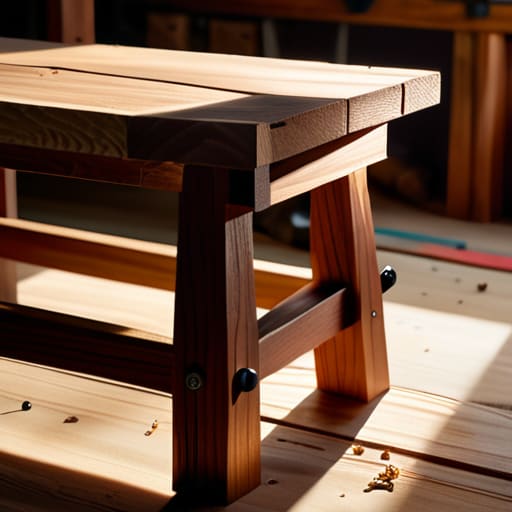
I have a shelf in my studio dedicated to the “almosts.” There is a chair leg carved from walnut that ended up in a scrap bin because the taper was too aggressive, and a joinery detail that looked beautiful on paper but failed the stress test of reality. Most people see a finished piece of furniture as a singular, inevitable truth, but I see it as a graveyard of discarded ideas. Every stable joint and intentional curve exists only because I refused a more convenient, cheaper, or faster alternative.
This is where the true weight of an object begins to settle. We often talk about the sentimental value of heirlooms as if the emotion is baked into the material itself, but I suspect it’s actually found in the integrity of the struggle. When you hold something that was built against the grain of easy manufacturing, you feel the ghost of the decision that nearly went the other way. It is this tension—the choice to stick to a difficult path rather than the seamless one—that creates an emotional connection to objects capable of outlasting us. We don’t just pass down wood and steel; we pass down the evidence of a commitment made decades ago.
Beyond Utility What a Lifetime Object Means to the Soul
It isn’t enough for a chair to hold weight or a table to resist a scratch; if it only serves a function, it is merely a tool. A true lifetime object begins to breathe when it starts to absorb the rhythm of a life lived. I think about the heavy oak desk in my studio, the one where the grain is slightly worn near the edge where my forearm rests. It isn’t just a surface for drafting; it has become a vessel for the emotional connection to objects that we often fail to name until it’s too late. We don’t just use these things; we inhabit them.
When we talk about the symbolism of lifelong belongings, we are really talking about a refusal to live in the ephemeral. In a world of planned obsolescence, choosing to keep something—to repair it, to polish it, to let it age—is a quiet act of rebellion. These aren’t just things we own; they are the anchors that keep us from drifting into the disposable. They become part of the architecture of our memory, holding the weight of who we were when we first brought them home.
The Weight of the Unchosen Enduring Possessions and Legacy
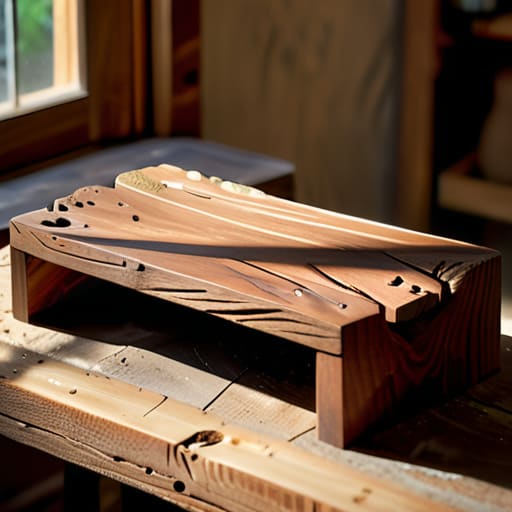
I have a shelf in the back of my studio, tucked behind the samples of walnut and oak, where the “failures” live. They aren’t failures in the sense of being broken; they are simply the paths I didn’t take. When I think about enduring possessions and legacy, I realize that we don’t just inherit the finished chair or the polished table. We inherit the weight of the intention behind them. An object survives generations not because it is indestructible, but because it holds a specific, stubborn truth about the person who refused to compromise on its making.
There is a quiet gravity in the symbolism of lifelong belongings. We tend to think of heirlooms as mere vessels of memory, but they are more like anchors. When a piece of furniture survives a move, a renovation, or a decade of heavy use, it stops being a tool and starts becoming a witness. We aren’t just collecting things; we are preserving history through artifacts that survived the easy way out. To own something that has lasted is to own a physical manifestation of a decision that held firm against the tide of the disposable.
Tracing the Scars the Emotional Connection to Objects
I have a shelf in the back of my studio, tucked behind the samples of walnut and ash, where the “failures” live. They aren’t failures in the sense of being broken; they are simply the versions of a chair or a table that didn’t survive the final decision. But when I look at them, I realize that our emotional connection to objects rarely stems from the perfection of the finished piece. Instead, we bond with the things that have survived the friction of living. We love the dining table that bears the ring from a spilled glass of wine during a late-night argument, or the desk with the slight dent where a heavy lamp was dropped years ago.
These marks aren’t defects; they are the narrative of a life lived in contact with the physical world. We aren’t just collecting meaningful items to fill a room; we are gathering witnesses to our own history. When we pass something down, we aren’t just handing over wood and joinery; we are transferring the symbolism of lifelong belongings—the quiet, steady proof that we were here, and that we took care of what mattered.
The Curated Life Collecting Meaningful Items Over Time
I have a shelf in my studio, tucked behind the samples of walnut and oak, where I keep the things that didn’t make the cut. They aren’t failures; they are just different versions of a truth I eventually found. This habit of mine—keeping the “almosts”—has bled into my personal life. I don’t find myself drawn to the pristine or the showroom-perfect. Instead, I find myself collecting meaningful items that possess a certain gravity, things that feel like they have already survived a century.
There is a specific kind of quiet joy in building a collection that isn’t about accumulation, but about curation. It’s the difference between a hoard and a history. When I look at a well-worn chair or a heavy brass lamp, I’m not just seeing furniture; I’m seeing the symbolism of lifelong belongings. We often think of collecting as an act of acquisition, but as I’ve grown older, I realize it is actually an act of selection. We are slowly, piece by piece, assembling the physical landscape of our own identity, choosing only the objects capable of carrying our weight.
Sacrificing the Temporary the Sentimental Value of Heirlooms
There is a specific kind of grief in the way we treat the disposable. In my studio, I often look at the piles of discarded samples—the veneers that bucked under humidity or the joints that felt just a fraction too loose—and I realize that those failures are what protect the integrity of the final piece. To create something that lasts, you have to intentionally reject the easy, the trendy, and the fleeting. You have to sacrifice the temporary.
This is where the true sentimental value of heirlooms resides. An heirloom isn’t just an old thing; it is a physical manifestation of a decision to resist the era of the replaceable. When I hold a chair that has survived three decades of heavy use, I don’t just see wood and joinery; I see the symbolism of lifelong belongings that have refused to surrender to time. We aren’t just passing down furniture or tools; we are passing down the evidence of a commitment to permanence, ensuring that the objects we leave behind are not just clutter, but vessels for our history.
Preserving History Through Artifacts and the Symbolism of Belongings
I have a shelf in my studio, tucked behind a stack of wood samples, where I keep the small, seemingly insignificant things that survived the decades. A brass hinge from a failed cabinet, a heavy glass paperweight, a hand-turned wooden bowl. These aren’t just debris; they are the physical anchors of a life lived. When we talk about preserving history through artifacts, we often think of museums and grand marble monuments, but the real work happens in our living rooms. It’s in the way a specific chair holds the shape of a person who is no longer sitting in it, or how a well-worn desk becomes a silent witness to years of quiet labor.
These items function as a shorthand for our existence. There is a profound symbolism of lifelong belongings that transcends their material cost. An object doesn’t just occupy space; it carries the weight of the hands that held it and the decisions that kept it from the landfill. We aren’t just hoarding things; we are building a tangible map of where we have been.
The Anatomy of a Decision
A lifetime object isn’t defined by its durability, but by the specific moment a designer—or a maker—refused the easier, faster path and chose the harder, more permanent one. It is the physical residue of a commitment made against the grain of convenience.
Jonathan Marin
The Final Grain
Looking back through the lens of my own studio—and the mountain of rejected prototypes that sit in the corner of my workshop—I realize that a lifetime object isn’t defined by its perfection, but by its resistance to the ephemeral. We have spent this time tracing how these items bridge the gap between mere utility and soul, moving from the scars of daily use to the heavy mantle of legacy. Ultimately, a lifetime object is a physical record of a series of intentional refusals: the refusal to use cheaper joinery, the refusal to follow a fleeting trend, and the refusal to let a thing be easily replaced. It is the sum of those hard-won decisions that allows an object to survive the whims of fashion and become a part of our personal history.
As I sit here at my letterpress, thinking about the ink and the pressure required to make a mark that actually lasts, I am reminded that we are all, in a sense, designing our own permanence. We don’t need a house full of monuments; we simply need a few things that were made with the courage to endure. So, the next time you hold something that feels significant, don’t just look at what it is. Look for the ghost of the alternative—the easier, cheaper, faster path that the maker decided not to take. That is where the true life of the object resides.
