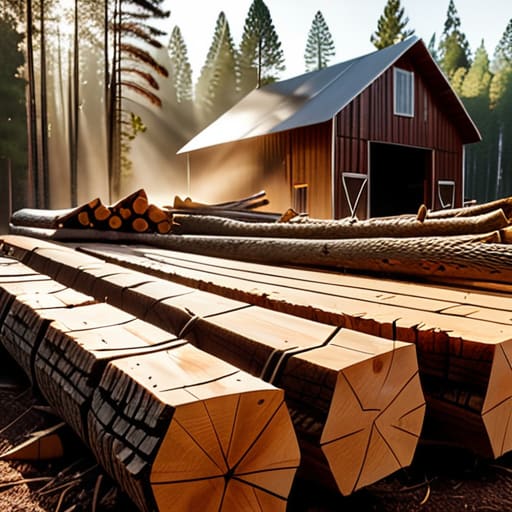
Buying From a Sawmill
I still have a piece of walnut sitting on a shelf in my studio, tucked between a failed joinery experiment and a rejected chair leg. It’s a beautiful, heavy slab that I spent three weeks hunting for, only to realize halfway through the first cut that I’d ignored a hairline check because I was too enamored with the figure. Most people think learning how to buy timber well is about studying moisture content charts or memorizing species grades, but that’s just academic noise. In reality, it’s about learning to see the inevitable mistakes hidden inside a piece of wood before you ever pick up a saw.
I’m not here to give you a textbook lecture on kiln-drying standards or a checklist of expensive tools you don’t need. Instead, I want to talk about the tactile, often frustrating reality of standing in a yard, squinting at grain patterns, and trying to sense if a board is actually going to behave once it hits your workbench. I’ll share the hard-won lessons from twenty years of production lines and studio mistakes so you can stop chasing the “perfect” specimen and start finding the right one.
Understanding How to Buy Timber Well
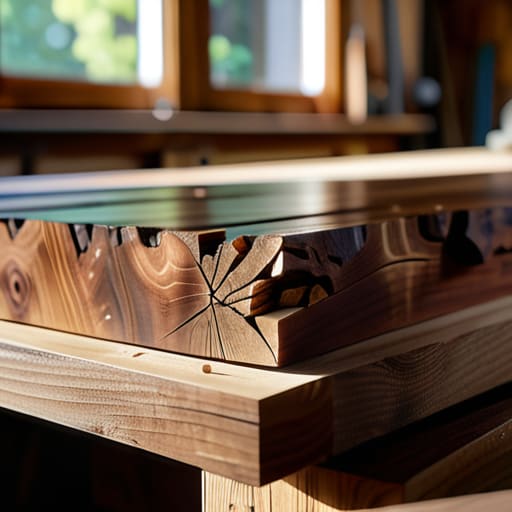
I’ve spent enough time in workshops to know that a piece of wood is never just a piece of wood; it’s a set of compromises. When you start looking at wood grade classifications, it’s easy to get seduced by the cleanest, most uniform boards. But there is a specific kind of blindness that comes with looking for perfection. I used to hunt for the highest grade possible, thinking it would save me time, only to realize I was stripping the character right out of the design. You have to learn to look past the surface and understand what the timber supply chain actually delivers to your door.
The real skill isn’t just picking a pretty grain; it’s the technical interrogation of the material. I always check the lumber moisture content before I even let a blade touch the surface. If the stability isn’t there, the most beautiful joinery in the world won’t stop the wood from fighting you six months down the line. It’s a constant negotiation between what the eye wants and what the physics allow. You aren’t just buying a material; you are committing to its future movement.
Key Things to Know
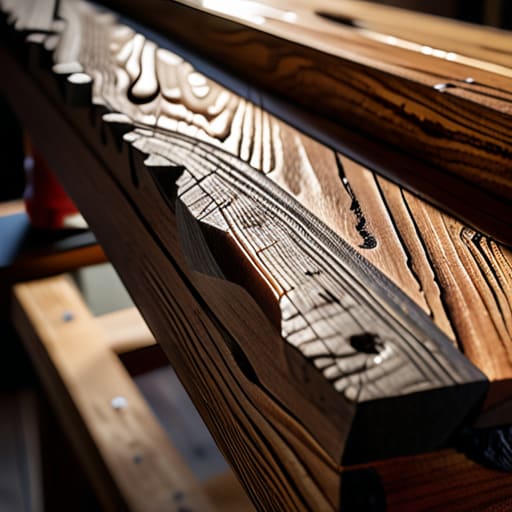
I’ve spent enough time in workshops to know that what you see on the surface of a board is often a polite lie. You can study all the wood grade classifications you want in a textbook, but they won’t tell you how a specific piece will react when your chisel meets the grain. I’ve learned to look past the marketing and focus on the physical reality of the material. One of the biggest pitfalls is ignoring the lumber moisture content; a piece might look stable and seasoned, but if it hasn’t truly settled, it will fight you every step of the way once it hits the climate of your studio.
Then there is the matter of where the wood actually comes from. It’s easy to get caught up in the aesthetics of a particular grain, but I’ve found that sustainable timber sourcing is what actually dictates the longevity of a project. It isn’t just about ethics; it’s about the integrity of the supply chain. When you understand the lineage of your material, you aren’t just buying a commodity—you’re entering into a partnership with the tree itself.
Practical Tips and Steps
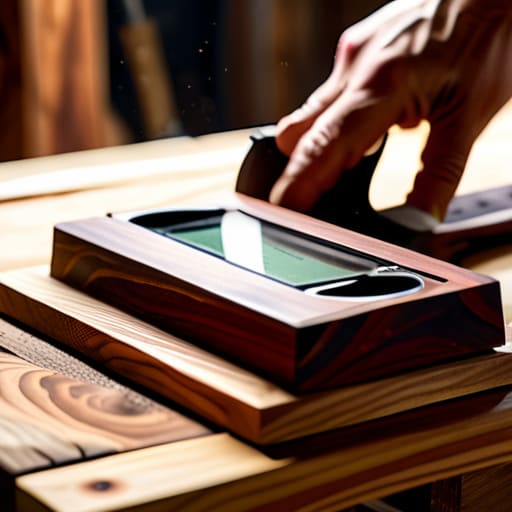
I’ve learned the hard way that a spreadsheet can’t tell you how a board will behave under a plane. When you’re actually on the floor, stop looking at the price per board foot and start looking at the lumber moisture content. I once spent three weeks building a walnut sideboard only to watch the joinery pull itself apart because I’d trusted a supplier’s “kiln-dried” label without checking the actual stability of the grain. It’s better to spend an extra hour with a moisture meter than a month mourning a ruined project.
Don’t get seduced by the “perfect” stack. Most of the time, the best material comes from understanding the nuances of wood grade classifications rather than just chasing the highest rating. I often find myself digging through the middle of a pile, looking for the pieces that have character but still respect the structural limits of the species. If you can, try to build a direct relationship with your local yard. Navigating the timber supply chain is much less daunting when you know the person behind the counter and can ask them exactly where a specific batch originated.
Common Mistakes to Avoid
The most frequent error I see—and one I fell for myself during my first decade in the studio—is treating wood like a commodity rather than a living material. There is a dangerous temptation to shop purely by the board foot, ignoring the nuance of wood grade classifications. I’ve seen many a beautiful design ruined because someone prioritized a low price point over the structural integrity required for a specific joinery method. When you ignore the subtle distinctions in grain orientation or knot placement, you aren’t saving money; you are simply deferring a much more expensive mistake to the workshop floor.
Another pitfall is the assumption that “dry” is a universal constant. People often overlook the critical importance of lumber moisture content, assuming that if a piece feels solid, it is ready for the plane. In reality, buying timber that hasn’t been properly seasoned for your specific environment is a recipe for heartbreak. I keep a drawer of warped offcuts from projects that failed exactly this way—each one a quiet reminder that the material always has the final say.
Final Thoughts
I often look at the stack of rejected prototypes in the corner of my studio—the ones where the grain was too erratic or the movement too aggressive—and realize they taught me more than my successes ever did. Buying wood isn’t a checklist of technical specifications; it’s a series of negotiations between what you envisioned and what the material actually demands of you. You can study wood grade classifications until you can recite them in your sleep, but that won’t prepare you for the moment a slab of walnut looks perfect under the shop lights only to reveal its true character once you start cutting.
Ultimately, the goal isn’t to find the “perfect” piece, because perfection is often just another word for boring. Instead, aim for the piece that challenges your plan. Whether you are navigating the complexities of sustainable timber sourcing or simply checking the lumber moisture content before a long weekend of milling, remember that the best decisions are usually the ones where you leaned into the material’s idiosyncrasies rather than fighting them. The most rewarding pieces are the ones that almost didn’t happen.
The Ghost in the Grain
Buying timber isn’t about scanning a yard for perfection; it’s about learning to spot the tension between what the blueprint demands and what the wood actually wants to do. The best material is rarely the cleanest slab on the rack, but the one that makes you hesitate just long enough to realize you’re about to make a very interesting mistake.
Jonathan Marin
The Weight of the Grain
At the end of the day, buying timber well isn’t about mastering a checklist of moisture contents or species classifications, though those things certainly help you avoid a disaster. It’s about developing an intuition for the tension between intent and reality. You have to look past the polished showroom veneer and ask yourself if the grain will actually cooperate with your joinery, or if you’re just buying a pretty lie. Whether you are scrutinizing the stability of a slab or negotiating the quirks of a local mill, remember that the goal is to find material that respects the constraints of your design rather than fighting them every step of the way.
I keep a shelf in my studio filled with offcuts and failed experiments, each one a quiet reminder that even the most seasoned designer makes the wrong call sometimes. But that is where the real learning happens. Don’t be so afraid of a piece of wood that has a bit of character or a slight deviation from your original blueprint. Often, the most profound designs come from the moment you stop trying to force the material into a box and instead embrace the decision that nearly went the other way. Buy the wood that challenges you, and you’ll find the work that actually matters.
