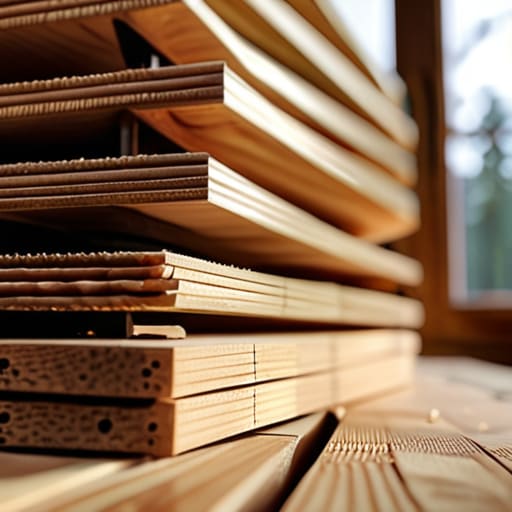
Air Drying Your Own Boards
I still have the ghost of a walnut sideboard sitting in my “reject” pile, a heavy, silent monument to my own impatience. Ten years ago, I thought I could bypass the slow, agonizing patience required for how to store and season timber by simply trusting a cheap moisture meter and a bit of luck. I was wrong. I learned the hard way that wood doesn’t care about your production deadlines or your desire to see a finished piece; it only cares about its own internal physics. If you try to outsmart the drying process, the wood will eventually remind you of your arrogance through cracks, twists, and catastrophic warping.
I’m not here to give you a sanitized, textbook lecture on hygrometers or industrial kiln settings. Instead, I want to talk about the practical, often frustrating reality of working with living material. I’ll share what I’ve learned from two decades of watching grain react to the air, focusing on the small, decisive choices that separate a stable heirloom from a pile of expensive firewood. We’re going to look at the actual mechanics of how to store and season timber without the unnecessary hype, focusing instead on the constraints that actually matter.
The Split Second Decision How to Store and Season Timber
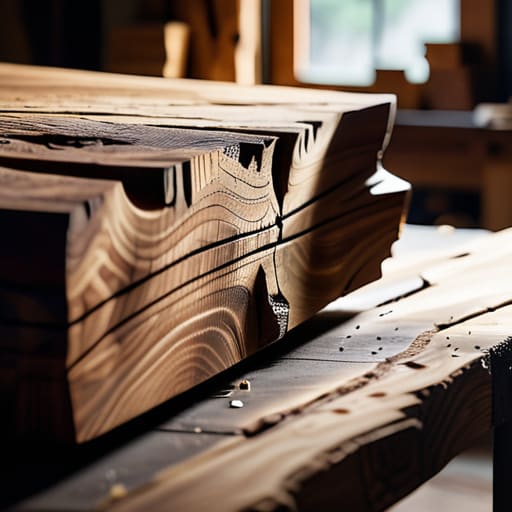
I remember a walnut slab from three years ago that sits in my “graveyard” corner. I had been so eager to get into the joinery that I bypassed the slow, tedious rhythm of the natural wood seasoning process, opting instead for a quick kiln run. I thought I was being efficient; I was actually being arrogant. The wood looked perfect on the surface, but the internal tension was a ticking time bomb. By the time I reached the final assembly, the grain had buckled, turning a beautiful piece of timber into expensive firewood.
That mistake taught me that the real work happens before the saw even touches the wood. Whether you are debating air drying vs kiln drying wood, you have to respect the physics of the material. I’ve learned to rely heavily on a wood moisture content meter—not as a suggestion, but as a hard boundary. You can’t negotiate with cellular structure. If you don’t commit to the discipline of proper stacking and airflow, you aren’t designing furniture; you’re just delaying an inevitable failure.
The Air Drying Gamble Why Kiln Drying Often Wins
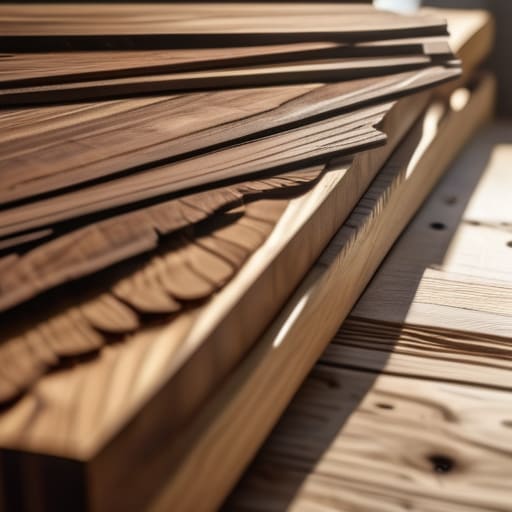
I remember a walnut slab from five years ago—one of the many “failures” currently sitting in the corner of my studio—that I tried to save through the natural wood seasoning process. I was convinced that the slow, rhythmic pace of air drying would yield a superior stability, a certain soul that a machine just couldn’t replicate. But I was fighting against physics. Even with the most meticulous proper wood stacking techniques, the ambient humidity in the shop was a moving target. I spent months watching that piece, waiting for it to settle, only to realize I was just delaying the inevitable.
The reality is that while there is a romanticism to the slow way, the sheer control offered by a kiln is hard to argue with when you’re working toward a deadline. When I’m designing a piece with tight joinery, I can’t afford the guesswork of a fluctuating lumber storage environment. I’ve learned to rely on a wood moisture content meter to provide the cold, hard truth that my intuition often misses. In the end, the choice between air drying vs kiln drying wood isn’t about quality as much as it is about managing the margin of error.
The Stack That Almost Collapsed Proper Wood Stacking Techniques
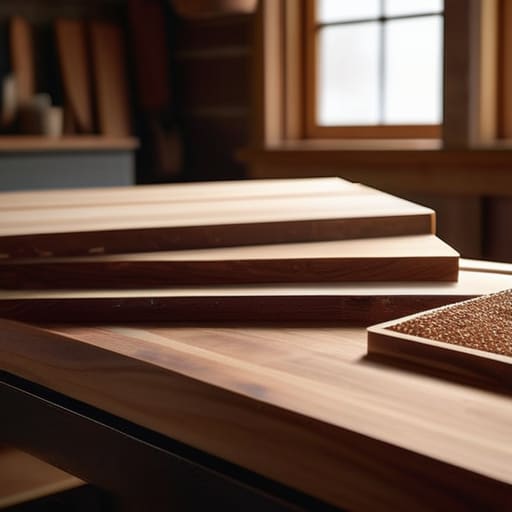
I still have the scrap pile from 2004—a stack of walnut boards that bowed so violently they looked like they were trying to escape the studio. I’d been lazy, neglecting the small, repetitive task of spacing my stickers. I thought I could save time by stacking them too tight, but I was actually just inviting disaster. When you’re managing the natural wood seasoning process, gravity and airflow are your primary collaborators, and if you don’t respect them, they’ll turn your expensive stock into expensive firewood.
Proper wood stacking techniques aren’t about aesthetics; they are about creating a predictable environment. You need those spacers—the little strips of wood—to be perfectly aligned from bottom to top. If they aren’t, you’re essentially asking for uneven tension. I learned the hard way that preventing timber warping and cracking requires a level of discipline that feels almost tedious in the moment. You spend hours meticulously leveling a stack, all to ensure that six months from now, the wood stays true to the dimensions you actually intended.
Defying the Grain Preventing Timber Warping and Cracking
I have a small graveyard of walnut slabs in the back of the studio—pieces that looked perfect on paper but ended up looking like topographic maps after they dried. Most of them failed because I underestimated the sheer violence of cellular contraction. When you’re managing the natural wood seasoning process, you aren’t just waiting for moisture to leave; you are negotiating with the physics of the tree itself. If the exterior dries too much faster than the core, the internal tension has nowhere to go but out, resulting in those deep, structural checks that no amount of wood filler can truly salvage.
I used to rely on intuition, but intuition is a dangerous thing when you’re working with high-value hardwoods. Now, I don’t move a single piece into the final assembly stage without checking it against a wood moisture content meter. It’s a tedious, unromantic part of the job, but it’s the only way to ensure I’m not building a masterpiece that will eventually pull itself apart. Consistency is more important than speed; if the moisture gradient between the surface and the heartwood is too steep, you’ve already lost the battle against warping.
The Silent Thief Managing Your Lumber Storage Environment
I remember a batch of walnut from five years ago that I left in a corner of the studio because I thought the ambient humidity was “good enough.” I was wrong. I had ignored the subtle shifts in the seasons, and by the time I went to plane the first board, the wood had already begun to pull itself apart. The mistake wasn’t in the stacking, but in the lumber storage environment itself. If you aren’t monitoring the air, you aren’t really in control of the wood.
It’s easy to get complacent once the boards are off the floor and under a roof, but a workshop is a living, breathing thing. I’ve learned to keep a wood moisture content meter clipped to my belt like a talisman. It’s a small, unglamorous tool, but it’s the only thing that prevents the heartbreak of realizing your seasoning process has stalled or, worse, accelerated too quickly. You can have the most perfect setup in the world, but if you ignore the invisible fluctuations in the room, you’re just waiting for the wood to betray you.
Trusting the Natural Wood Seasoning Process a Risky Beauty
There is a certain romanticism in the idea of letting a piece of oak sit in a shed for two years, slowly breathing with the seasons. I used to think that relying on the natural wood seasoning process was a mark of a purist, a way to respect the slow tempo of the material. But after twenty years of seeing how wood actually behaves, I’ve learned that this “romance” is often just a polite way of describing a lack of control. I remember a batch of walnut I left to air dry, convinced that the slow evaporation would yield a superior stability. Instead, I spent three weeks fighting a losing battle against checking because I hadn’t accounted for a sudden shift in humidity.
The reality is that patience is not a substitute for precision. You can spend months watching the grain, but without a reliable wood moisture content meter in your hand, you are essentially just guessing. I’ve learned that the beauty of a finished piece often depends on the discipline of the waiting period—the parts where you resist the urge to start cutting just because the wood looks “ready enough.”
The Margin of Error Mastering the Wood Moisture Content Meter
I have a drawer in my studio filled with broken pins and misaligned type from my letterpress days, but my most valuable tool is a small, plastic wood moisture content meter that looks like it belongs in a high school physics lab. It’s not elegant, but it’s the only thing that keeps my ego in check. There was a chair leg I worked on last autumn—a piece of walnut I was certain was ready—that I pushed into production because the surface felt “right” to the touch. I ignored the meter, and three months later, the joinery had opened up like a gasping mouth.
The mistake was thinking my intuition could outrun physics. When you’re navigating the nuances of the natural wood seasoning process, you have to accept that your hands are liars. I’ve learned to treat that little device as a cold, hard reality check against my own impatience. It’s easy to get swept up in the romance of the grain, but if you aren’t checking the numbers, you aren’t designing; you’re just gambling with someone else’s money.
The Cost of Impatience
I have a shelf in the back of the studio filled with joints that failed and panels that bowed, all because I convinced myself that an extra six months of air-drying was just wasted time. We treat seasoning like a technical hurdle to clear, but it’s actually a conversation with the material; if you try to end the conversation too early, the wood will always have the last word.
Jonathan Marin
The Cost of the Shortcut
Looking back at the pile of rejected prototypes in the corner of my studio, I see a graveyard of impatience. Most of them didn’t fail because of a lack of skill, but because I tried to outrun the biology of the wood. Whether it was a poorly constructed stack that leaned precariously or a failure to respect the slow, rhythmic dance of moisture evaporation, the mistake was always the same: I treated timber like a commodity rather than a living material. We’ve covered the mechanics—the precision of the moisture meter, the necessity of controlled environments, and the structural integrity of the stack—but the takeaway is simpler. Proper seasoning isn’t just a technical checklist; it is a discipline of patience that prevents the heartbreak of a finished piece splitting open just as the varnish sets.
In my twenty years of designing, I’ve learned that the most beautiful furniture isn’t the result of a sudden flash of inspiration, but the result of the quiet, unglamorous work done months before the first cut is made. There is a profound, almost meditative dignity in waiting for the wood to tell you it is ready. Don’t rush the process to satisfy a deadline or a whim. Instead, embrace the tension between your desire to build and the wood’s need to settle. The most rewarding objects are those where you can look at a perfect, stable joint and know that it exists only because you had the courage to wait.
