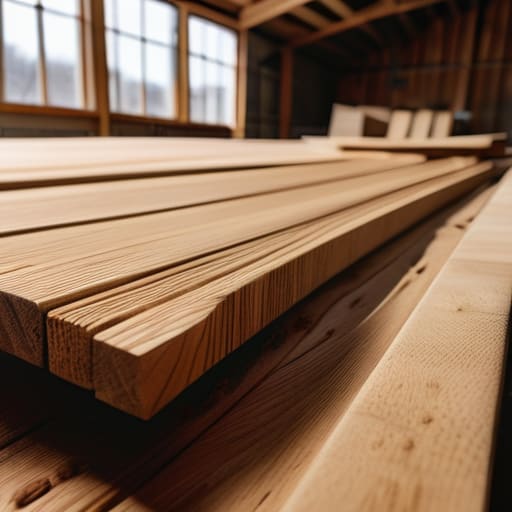
Timber in Stock Is Money Standing Still
I spent most of last Tuesday staring at a stack of walnut offcuts that I’d foolishly categorized as “scrap,” only to realize they were the exact dimensions needed for a client’s custom inlay. It’s a humbling, expensive mistake that reminds you why most textbooks are useless when it comes to the reality of how to manage materials and stock. Most people will tell you that you need a complex, digital ERP system or a high-tech warehouse layout to stay organized, but that’s just expensive noise. In a real studio, inventory isn’t a spreadsheet; it’s a living, breathing part of your creative process that can either fuel your work or choke your cash flow if you aren’t paying attention.
I’m not here to sell you on some polished, corporate software solution that requires a degree in data science to operate. Instead, I want to talk about the unsexy, tactile reality of keeping your shop running without losing your mind—or your margins. I’ll be sharing what I’ve learned from twenty years of making things, focusing on the practical, often messy decisions that actually work when you’re standing on a sawdust-covered floor.
The Near Miss How to Manage Materials and Stock Wisely

I remember a Tuesday three years ago when a shipment of walnut veneer arrived with a hairline fracture running through the entire batch. My immediate instinct was to reject it, to blame the supplier and retreat into the safety of a re-order. But looking at the pile of rejected prototypes in the corner of my studio—each one a lesson in what not to do—I realized that strict adherence to a rigid material requirement planning sheet often ignores the soul of the work. If I had simply followed a standard inventory control system, I would have flagged the error and waited two weeks for a replacement, stalling the entire production run.
Instead, I decided to pivot. I spent the afternoon re-evaluating our current stock levels and realized that by adjusting our stock level monitoring to account for these natural irregularities, we could actually reduce waste. It wasn’t about perfect efficiency; it was about building a buffer that allows for the reality of the material. True mastery isn’t just about minimizing stockouts; it is about knowing exactly how much risk you can afford to take when the grain doesn’t go your way.
The Chaos We Avoid Through Precise Inventory Control Systems

There is a specific kind of vertigo that sets in when you realize a project is stalled not by a lack of talent, but by a missing box of brass fittings. I remember a mid-century sideboard project where a single misplaced shipment of veneer turned a three-week build into a two-month headache. We often treat the studio like an extension of our creative mind, but without rigorous inventory control systems, the studio quickly becomes a graveyard of half-finished ideas. Chaos isn’t just a mess on the floor; it’s the invisible friction that eats your profit margins while you’re busy trying to be an artist.
I’ve learned that true creative freedom requires a certain level of administrative discipline. By implementing basic material requirement planning, I’ve managed to stop the frantic, midnight searches for specific fasteners or specialized adhesives. It isn’t about being a bureaucrat; it’s about ensuring that when the light is right and the mood strikes, the materials are actually there to meet the moment. You don’t find inspiration in a disorganized workshop—you find frustration.
The Fine Line Between Supply Chain Optimization and Total Collapse
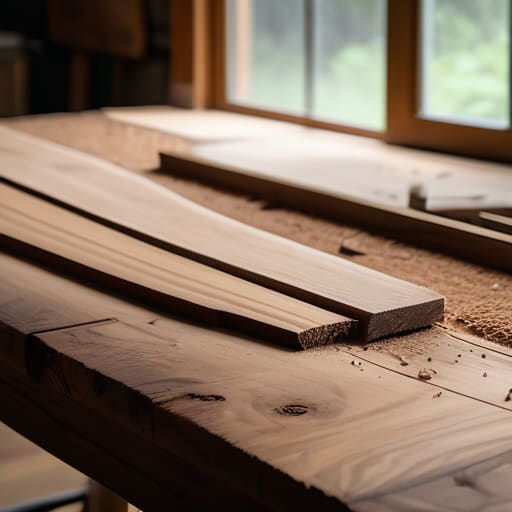
I remember a month in 2008 when I tried to lean too hard into the just-in-time inventory method. I thought I was being clever, stripping my studio down to the bare essentials to save on floor space, only to realize I’d traded my breathing room for a constant state of low-grade panic. When a shipment of walnut veneer arrived with a hairline split, I didn’t have a buffer. I had nothing. I spent three days staring at an empty workbench, realizing that true efficiency isn’t about having the absolute minimum; it’s about knowing exactly where your breaking point lies.
The math behind supply chain optimization often feels too clinical for the reality of a workshop. On a spreadsheet, a lean system looks like a masterpiece of logic, but in practice, it’s a tightrope walk. You can implement the most sophisticated inventory control systems in the world, yet one delayed freight truck or one miscounted box of fasteners can turn a productive week into a total standstill. I’ve learned that the goal isn’t to eliminate the surplus entirely, but to curate it so that the margin for error is always intentional, never accidental.
Winning the War of Minimizing Stockouts and Lost Opportunities
There is a specific, hollow kind of dread that sets in when a client is standing in your studio, ready to sign off on a commission, only for you to realize the specific grade of walnut you need is sitting in a shipping container somewhere in the middle of the Atlantic. I remember a chair project from three years ago where I thought I could play it safe with a lean, just-in-time inventory method. I wanted to keep the studio floor clear, but I ended up staring at an empty workbench for two weeks because a single shipment of joinery hardware failed to arrive. It wasn’t just a delay; it was a missed window of momentum that is incredibly hard to reclaim once lost.
To me, minimizing stockouts isn’t about hoarding every scrap of timber that crosses my desk; it’s about understanding the rhythm of your own production. You have to find that sweet spot where your material requirement planning feels less like a math problem and more like a steady pulse. If you aren’t constant with your stock level monitoring, you aren’t designing; you’re just reacting to emergencies.
The Just in Time Inventory Method a Calculated Risk Taken
There is a specific kind of anxiety that comes with the just-in-time inventory method. In my studio, it feels less like a streamlined logistical strategy and more like walking a tightrope over a workshop floor covered in sawdust. On paper, the logic is seductive: you don’t tie up your capital in stacks of expensive walnut or brass fittings that might sit idle for months. You order exactly what the current project demands, right when the saw is ready to bite. It is the ultimate expression of supply chain optimization, stripping away the fat until only the essential remains.
But I’ve learned that this lean approach lives or dies by the precision of your material requirement planning. I remember a mid-sized run of lounge chairs where a single delayed shipment of upholstery fabric turned a profitable month into a frantic scramble. When you operate with such razor-thin margins, you aren’t just managing stock; you are managing time itself. If your timing is off by even forty-eight hours, the entire rhythm of the shop breaks. It is a calculated risk that requires a level of discipline most people mistake for mere bookkeeping.
Mastering Material Requirement Planning Before the Wrong Choice Sticks
I have a shelf in the back of my studio filled with offcuts of walnut and charred oak, each one a monument to a calculation that failed. Most people view material requirement planning as a dry exercise in spreadsheets, but in a workshop, it’s more like a high-stakes game of foresight. If I misjudge the yield on a batch of premium timber, I’m not just losing money; I’m losing the ability to execute the very design that made the piece worth building in the first place.
The danger lies in the momentum of a mistake. Once you commit to a specific volume of raw material based on a flawed forecast, you are essentially locked into a path of diminishing returns. Effective material requirement planning isn’t about having everything on hand at all times; it’s about the precision of the timing. You have to balance the desire for a safety net against the reality of floor space and cash flow. If you don’t master the rhythm of your intake, you’ll eventually find yourself drowning in the wrong supplies while the actual materials you need are stuck in transit.
The Quiet Discipline of Constant Stock Level Monitoring
There is a specific kind of dread that sets in when you realize you’re down to your last three sheets of Baltic birch and a commission is due on Friday. It’s not a dramatic failure, but a slow, creeping realization that your oversight has finally caught up with you. I used to think that real design happened in the grand gestures—the sweeping curves or the choice of joinery—but I’ve learned that the actual survival of a studio depends on the unglamorous, repetitive task of stock level monitoring. It is the quiet, almost meditative discipline of knowing exactly what is on the shelf before the gap becomes a crisis.
I’ve spent years refining my own approach to this, moving away from the “gut feeling” that serves so many young makers. Relying on intuition is just a polite way of saying you’re unprepared. Now, I view inventory control systems not as bureaucratic hurdles, but as the scaffolding that allows for actual creativity. When you aren’t constantly looking over your shoulder wondering if a specific hardware component has vanished into the ether, you actually have the mental bandwidth to focus on the work itself. It is about creating a baseline of certainty in an otherwise unpredictable profession.
The Cost of the Empty Shelf
We talk about inventory as if it’s just numbers on a spreadsheet, but in the studio, it’s the tension between a finished piece and a pile of wasted potential; the real mastery isn’t in having everything at your fingertips, but in knowing exactly which single piece of timber you can afford to be without.
Jonathan Marin
The Residue of Good Decisions
At the end of the day, managing stock isn’t about the spreadsheets or the software; it’s about the quiet, repetitive discipline of knowing exactly what is sitting on your shelves and why. We’ve walked through the necessity of precise inventory control, the high-stakes gamble of just-in-time methods, and the constant vigilance required to keep a supply chain from snapping under its own weight. It is a process of managing constraints, much like choosing the right grade of walnut for a chair leg. If you fail to respect the math behind your materials, you aren’t just losing money—you are losing the freedom to create. You become a slave to the shortage, forever reacting to the chaos instead of shaping it.
I often look at the pile of rejected prototypes in the corner of my studio, each one a testament to a choice that didn’t hold up under scrutiny. Material management is much the same. It is the invisible scaffolding that allows the visible work to exist. When you master your stock, you aren’t just optimizing a workflow; you are protecting the integrity of your craft. It allows you to stand in the middle of a project, fully present, knowing that the foundation is solid. Ultimately, the most beautiful things we build are only possible because we had the discipline to manage the mundane.
