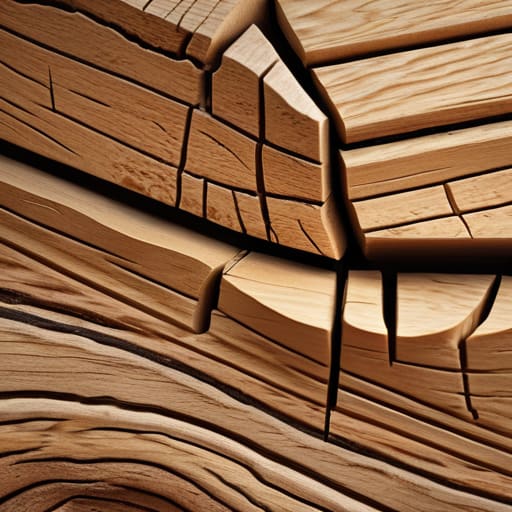
A Shake Found After Cutting
I was halfway through surfacing a walnut slab for a client’s dining table when the grain suddenly gave way to a hairline check that looked more like a canyon. My first instinct wasn’t to reach for a specialized epoxy or a high-end stabilizing resin; it was to swear under my breath and wonder if I’d wasted three weeks of my life. Most design blogs will tell you that a defect is a failure of material selection or a technical error to be “corrected” with expensive fillers. But that’s a lie sold to people who want furniture to look like plastic. In my studio, how I handle discovering a defect in timber isn’t about hiding the mistake—it’s about deciding whether the flaw is a catastrophe or the soul of the piece.
I’m not here to give you a tutorial on industrial-grade adhesives or how to pretend wood is something it isn’t. Instead, I want to talk about the messy, often frustrating reality of working with a living medium. I’ll share the specific, practical ways I navigate these moments, from structural integration to aesthetic pivots, based on twenty years of making things that actually last. This isn’t about perfection; it’s about the decision that nearly went the other way.
The Beautiful Tension of a Flawed Grain
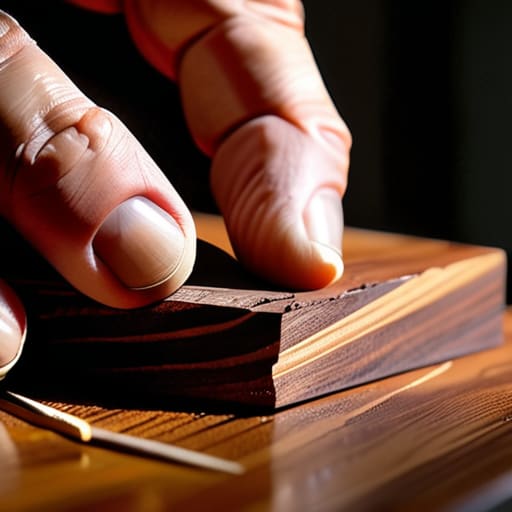
There is a specific kind of silence that settles in the workshop when you realize a piece of walnut isn’t behaving the way the specs promised. You aren’t just looking at a visual hiccup; you are performing a mental timber quality assessment, weighing the aesthetic cost against the physical reality of the material. I often find myself hovering a finger over a dark streak or a sudden dip in the surface, wondering if I’m looking at a character mark or a genuine failure of the wood’s structural integrity.
In my early years, I would have panicked, reaching for the sandpaper to erase the evidence. Now, I tend to sit with it. I look at how the light hits the deviation and ask if the flaw is actually a pivot point for the design. Sometimes, the most honest part of a chair isn’t the perfect joinery, but the way the grain refuses to follow my instructions. It’s a constant negotiation between my intent and the wood’s history. If I can steer the design to acknowledge the imperfection rather than hide it, the object gains a weight that perfection simply cannot carry.
How I Handle Discovering a Defect in Timber
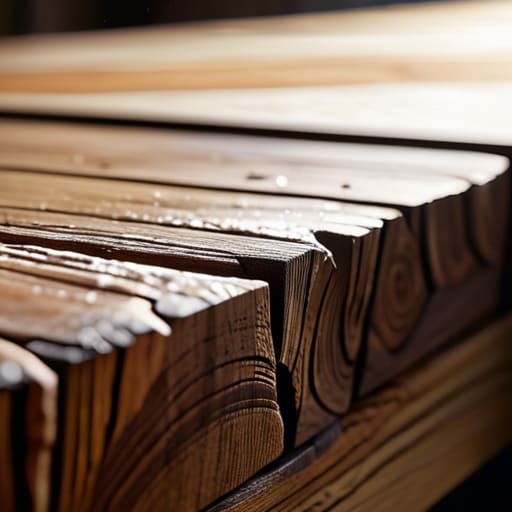
When I first spot a hairline fracture or a patch of discoloration, my instinct isn’t to reach for a chisel, but to pause. I find myself performing a quiet, internal timber quality assessment, moving from the immediate visual shock to a more clinical evaluation. I need to know if this is a surface-level eccentricity or a fundamental threat to the structural integrity of wood. It’s a moment of friction where the designer in me fights with the craftsman.
I usually start by testing the density. If the area yields too easily to a probe, I’m no longer looking at a design challenge; I’m looking at the grim reality of identifying wood rot and decay. That’s when the mood shifts from creative problem-solving to damage control. If the defect is stable, I treat it like a pivot point in a conversation. I don’t try to hide the flaw with heavy fillers or aggressive sanding; instead, I look for a way to integrate it. I ask myself: can this void become a feature, or does it demand a complete rethink of the joinery?
The Moment Timber Quality Assessment Becomes Art
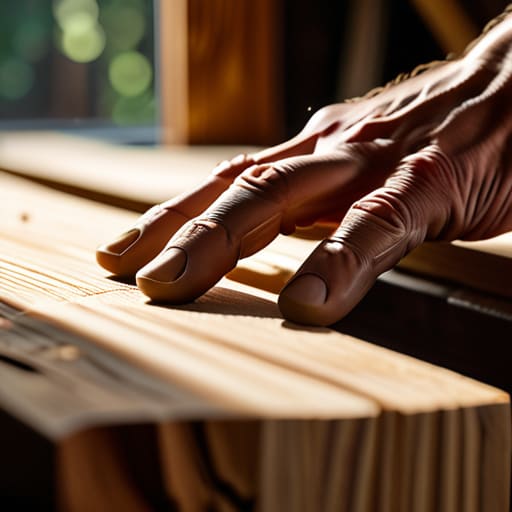
There is a specific, quiet tension that settles in the studio when you realize a piece of stock isn’t what the invoice promised. You stop being a builder and start being a judge. It’s the point where a standard timber quality assessment stops being a checklist of dimensions and becomes something much more intuitive. I often find myself running my thumb along a surface, not just looking for smoothness, but listening for the hollow ring that signals something is wrong deep inside.
It’s easy to follow the textbook when everything is perfect, but the real work begins when you’re forced to weigh the structural integrity of wood against its visual character. I have a shelf in the back of the shop filled with slabs that failed the formal grading, yet they possess a certain gravity that a “perfect” piece lacks. In those moments, the job isn’t about following a manual; it’s about deciding whether a flaw is a failure of the material or a sudden opportunity for a new direction. You aren’t just managing a defect; you are negotiating with the medium itself.
When Identifying Wood Rot and Decay Changes Everything
There is a specific, hollow sound that happens when you tap a piece of timber and it doesn’t ring back with that solid, reassuring density. It’s the sound of a lie. You think you’ve sourced a pristine slab of walnut, only to find that somewhere deep in the heartwood, the biology has taken over. Identifying wood rot and decay isn’t just a technical task; it’s a moment of profound disappointment that forces you to pivot. I remember a chair frame I was working on last autumn—I’d spent weeks perfecting the joinery, only to realize the core was softening.
At that point, the conversation shifts from aesthetics to the grim reality of structural integrity of wood. You can’t just “design” your way out of rot. You have to decide if the piece is worth the surgical intervention of specialized repair techniques, or if it belongs in the scrap pile with my other failures. It’s a heavy realization: a defect isn’t just a visual blemish; it’s a fundamental betrayal of the material’s promise.
Sacrificing the Perfect Plan for Structural Integrity of Wood
There is a specific kind of grief that comes with looking at a CAD drawing—a clean, mathematical certainty of how a chair or a table should exist—and realizing the physical material has other ideas. I’ve spent many afternoons staring at a blueprint for a dining table, only to find that a hidden fissure in the walnut makes the original joinery impossible. You can follow the timber grading standards to the letter, but the wood doesn’t care about your spreadsheet. It has its own physics.
When I encounter these moments, the temptation is to force the material to obey the plan. But forcing it is a lie. Instead, I have to pivot, often redesigning the entire connection point to respect the structural integrity of wood rather than fighting against it. It’s a humbling shift from architect to negotiator. Sometimes that means adding a steel reinforcement or changing a mortise-and-tenon to a different configuration entirely. It’s never about managing construction material flaws as a chore; it’s about the realization that the plan is merely a suggestion until the wood actually meets the chisel.
Managing Construction Material Flaws Without Losing the Soul
There is a specific kind of panic that sets in when you realize a flaw isn’t just aesthetic, but systemic. You find yourself staring at a joint or a grain deviation, wondering if you’ve just compromised the entire piece. In those moments, managing construction material flaws becomes less about the math and more about a gut-level negotiation with the medium. I’ve learned that you can’t just steamroll over a problem with sheer willpower; you have to respect the structural integrity of wood first, or else you’re just building a very expensive pile of kindling.
I often find myself retreating to my workshop shelf—the one crowded with those rejected prototypes I can’t bring myself to throw away—to remind myself of past failures. Usually, the solution isn’t to hide the error behind a veneer, but to pivot. It might mean employing more invasive woodwork repair techniques, like butterfly inlays or stabilizing a soft spot with epoxy, to turn a weakness into a focal point. The goal isn’t to achieve a sterile perfection that meets some arbitrary timber grading standards, but to find a way to keep the soul of the object intact while ensuring it actually lasts another fifty years.
Mastering Woodwork Repair Techniques and Timber Grading Standards
There is a certain clinical coldness to timber grading standards that I’ve never quite cared for. On paper, a board is either clear or it is flawed, a binary logic that feels fundamentally at odds with the way wood actually lives. In my studio, I find that the real work begins when the grade fails. You can follow the textbook for woodwork repair techniques—epoxies, butterfly joins, or Dutchman patches—but if you apply them too mechanically, you end up with a piece that looks like it’s been through a medical procedure rather than a design evolution.
I’ve learned that the goal isn’t to erase the defect, but to negotiate with it. When I’m managing construction material flaws, I’m looking for the point where a repair stops being a scar and starts being a structural necessity. It’s a delicate balance; a patch can reinforce the structural integrity of wood while simultaneously acting as a visual anchor. I often look at my pile of rejected prototypes—the ones where I tried to hide a crack too aggressively—and realize they failed because I was fighting the material instead of collaborating with its history.
## The Anatomy of a Pivot
“When I find a crack or a knot that defies the blueprint, my first instinct isn’t to fix it, but to sit with it—to decide if the defect is a failure of the material or a new direction for the design. Most people see a flaw as a reason to start over; I see it as the moment the wood finally starts talking back.”
Jonathan Marin
The Ghost in the Grain
At the end of the day, managing a defect isn’t about following a checklist or adhering to a rigid grading standard; it’s about the dialogue between the material and the maker. Whether I’m navigating a sudden patch of rot or deciding to work around a stubborn knot, the process requires a constant oscillation between technical rigor and creative intuition. I’ve learned that you can’t simply engineer your way out of a natural irregularity. You have to decide if the flaw is a structural failure to be excised or a narrative pivot to be embraced. It is in that messy middle ground—where the plan fails and the material takes the lead—that the real work of a designer actually happens.
I often look at the pile of rejected prototypes in the corner of my studio, those pieces I tossed because I couldn’t reconcile my vision with a flaw in the wood. They serve as a quiet reminder that perfection is often just a lack of character. We spend so much time trying to polish away the evidence of struggle, but the most enduring pieces of furniture are the ones that feel honestly lived-in. The goal shouldn’t be to produce something flawless, but to produce something that feels inevitable. After all, the most compelling part of any finished object is almost always the decision that nearly went the other way.
