
What I Do While Glue Dries
I was standing in a dusty corner of a workshop in Milan last spring, waiting for a CNC machine to finish a complex routing job, when I realized how much I loathe the modern obsession with “optimization.” We are constantly told that every idle second must be harvested for growth, as if we are nothing more than machines requiring constant software updates. People treat downtime like a leak in a bucket that needs plugging, but I’ve found that the way how I use waiting time is rarely about checking an inbox or reading a self-help book. In fact, the most vital work usually happens when I am doing absolutely nothing at all.
I’m not here to give you a curated list of productivity hacks or a blueprint for becoming a more efficient version of yourself. Instead, I want to talk about the productive friction that occurs when the hands stop moving. I’ll share how those quiet, uncomfortable gaps between tasks are actually where my best design decisions are forged—not through forced labor, but through the kind of deliberate stillness that allows a real idea to finally take shape.
The Art of the Near Miss How I Use Waiting Time

I don’t look for “productivity hacks” in the way a tech enthusiast might; I look for the friction. When I’m standing in a lumber yard waiting for a delivery or sitting in a sterile lobby for a client meeting, my instinct isn’t to reach for my phone to drown out the silence. Instead, I treat those gaps as a form of unintentional sketching. I find myself mentally rearranging the joinery of a chair I’m currently struggling with, or playing out the tension of a spring mechanism in my head. It’s a way of utilizing small windows of time to solve problems that require a level of stillness my studio rarely affords.
There is a specific kind of clarity that comes from being forced into a standstill. I’ve learned that managing idle time effectively isn’t about checking off a to-do list, but about letting the subconscious do the heavy lifting. I might spend ten minutes staring at the grain of a wooden table, realizing that the leg taper I planned is actually too aggressive. Those fleeting, unplanned moments of reflection often lead to the very decisions that save a piece from being a failure.
The Pivot Points Optimizing Downtime Productivity Through Intentionality
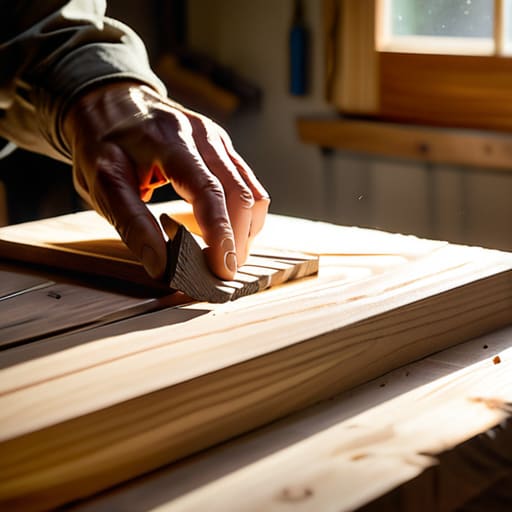
I’ve realized that my best ideas don’t come from the long, uninterrupted stretches of studio time I used to crave. Instead, they emerge in the cracks—the ten minutes while a glue-up sets or the wait for a CNC machine to finish its cycle. I’ve started viewing these gaps not as interruptions, but as a way of maximizing efficiency in transitions. Rather than reaching for my phone to scroll through mindless noise, I use those small windows of time to mentally rehearse a joinery detail or to run through a quick sketch on a scrap of wood.
It isn’t about the frantic energy of “hustle culture”; it’s more about workflow sequencing techniques that respect the natural rhythm of the workshop. If I’m waiting for a finish to dry, I don’t force a heavy design problem. I pivot to something tactile, like cleaning a specific set of chisels or organizing my letterpress type. By optimizing downtime productivity through these low-stakes, intentional movements, I keep the momentum of the day alive without draining the mental battery required for the heavy lifting.
Micro Tasking During Gaps the Small Wins That Almost Werent
There is a specific kind of friction that occurs when you try to force a large, heavy thought into a five-minute window. I used to fight it, treating every gap in my schedule as an interruption to my “real” work. But lately, I’ve found a rhythm in micro-tasking during gaps, focusing on the granular, almost mindless administrative debris that usually clogs my studio. It’s the digital equivalent of sweeping sawdust off a workbench; it doesn’t build the chair, but it makes the space ready for when I actually do.
I keep a running list of these “micro-wins”—things like responding to a single supplier email or checking the tension on my letterpress components. These aren’t grand creative leaps, but they are vital for maximizing efficiency in transitions. There was a moment last Tuesday, while waiting for a kiln to reach temperature, where I almost just scrolled through my phone out of sheer boredom. Instead, I spent those few minutes updating a single dimension on a technical drawing. It was a small, quiet victory, the kind that prevents the larger, more daunting tasks from feeling insurmountable later in the afternoon.
Managing Idle Time Effectively Embracing the Productive Detour
I used to view a fifteen-minute gap between client calls as a failure of scheduling, a void that needed to be filled with frantic, meaningless activity. I’d reach for my phone, scrolling through emails just to feel like I was moving, even when I was standing still. But lately, I’ve started viewing these moments through the lens of managing idle time effectively. Instead of rushing to fill the silence, I treat it as a buffer—a necessary space to let a design problem settle in my mind before I attempt to solve it.
Sometimes, this means I don’t “do” anything at all in the traditional sense. I might just sit with a piece of scrap wood or a failed sketch, letting the frustration of a bad joint or an awkward silhouette breathe. It’s about maximizing efficiency in transitions by not forcing a complex mental shift when my brain is still stuck on the previous task. By embracing these productive detours, I find that the most elegant solutions often arrive not during the high-intensity sprints, but in those quiet, unscripted pauses where the ego finally stops trying so hard.
Workflow Sequencing Techniques Choosing the Path Not Taken
I have a shelf in the corner of my studio dedicated to the “almosts”—the chair legs that were too aggressive, the joinery that failed under tension. I find myself applying that same logic to my schedule. Instead of treating a twenty-minute gap between client calls as a void to be filled, I treat it as a choice between two distinct paths. One path is the easy one: scrolling through a feed, which feels productive but leaves the mind cluttered. The other is a deliberate application of workflow sequencing techniques, where I match the task to the specific texture of the silence.
If the gap is short, I lean into micro-tasking during gaps, perhaps checking the ink viscosity for my letterpress or responding to a single, nagging email. But if the window feels larger, I resist the urge to jump into heavy design work. Instead, I use that time to step back and look at the tension in a current sketch. It is about maximizing efficiency in transitions by recognizing that some moments are meant for movement, while others are meant for the quiet, necessary friction of reconsidering a direction.
Maximizing Efficiency in Transitions Where Most People Lose Everything
There is a specific kind of friction that occurs when you move from the workbench to the computer, or from a client call back to a CAD drawing. It’s a mental drag, a sort of inertia that eats away at your momentum. Most people see these gaps as lost causes, but I’ve learned that maximizing efficiency in transitions isn’t about doing more work; it’s about protecting the headspace required to start the next thing. If I don’t acknowledge the shift, I spend twenty minutes just trying to remember where my focus was before the interruption.
I’ve started treating these hand-offs like the joinery in a chair—if the fit isn’t tight, the whole structure feels wobbly. Instead of letting the transition dissolve into mindless scrolling, I use it for utilizing small windows of time to prep the next environment. This might mean clearing my physical desk or simply opening the specific file I’ll need in ten minutes. It’s a way of managing the “ghost” of the previous task so it doesn’t haunt the next one.
Utilizing Small Windows of Time the Decisions That Defined the Day
I have a shelf in the corner of my studio dedicated to the “almosts”—the chair legs that were too aggressive, the joinery that failed the stress test. I find that my best work often happens in the same way: in the tiny, unscripted gaps between scheduled tasks. When I’m waiting for a CNC machine to finish a cycle or a glue-up to set, I don’t reach for my phone to scroll through mindless noise. Instead, I practice a form of micro-tasking during gaps that feels less like “productivity” and more like a mental rehearsal. I might spend five minutes sketching a single radius or checking the tension on a leather strap, making a tiny decision that keeps the momentum from stalling.
These moments are where I find myself maximizing efficiency in transitions by treating the pause as a pivot rather than a stop. It’s the difference between losing an hour to a distraction and using ten minutes to solve a problem that would have otherwise haunted me at dinner. I’ve learned that the day isn’t built in the grand, eight-hour blocks of deep work, but in these fragmented decisions that bridge the silence.
The Texture of the Gap
Most people treat a gap in the schedule like a void to be filled, but I’ve learned to treat it like a piece of raw material. Waiting isn’t lost time; it’s the quiet, uncomfortable space where the best decisions—the ones that almost went the other way—finally find the room to breathe.
Jonathan Marin
The Residue of the In-Between
Looking back at these fragments of time—the micro-tasks, the workflow pivots, and those heavy moments of staring at a blank wall—I realize that productivity isn’t about a continuous, unbroken line of output. It’s about how we handle the gaps. We spend so much energy trying to eliminate the “dead time” between projects or during a long wait for a drying finish, but that is exactly where the most critical structural decisions occur. Whether I am sketching a quick adjustment to a chair leg or simply letting a concept settle in the back of my mind, these small windows are where I reconcile the path I took with the one I nearly chose.
In the end, I’ve come to see that a life well-designed isn’t one that is perfectly optimized for maximum velocity. It is a life that respects the friction. Those pauses, the idle minutes that feel like wasted space, are actually the seams that hold a day together. Don’t fear the downtime or the feeling of being momentarily stuck in transit. Instead, treat those gaps as a deliberate part of the craft. The most meaningful parts of our work—and our lives—often emerge not from the grand, sweeping gestures of progress, but from the quiet, unseen decisions made while we were waiting for the world to catch up.
