Cleaning Up Without Losing Flat
I was staring at a pile of walnut shavings and dried wood glue yesterday, thinking about that ridiculous notion that a clean studio is a sign of a productive designer. There is this pervasive, polished myth in design magazines that a workspace should look like a sterile laboratory—all white surfaces and perfectly organized tool walls—as if the act of making isn’t inherently messy. But anyone who has actually spent twenty years wrestling with joinery knows that the real work happens in the chaos. When I sit down to figure out how I clean up after assembly, I’m not looking for a way to restore a showroom; I’m looking for a way to reset my brain without losing the momentum of the build.
I’m not here to give you a checklist of aesthetic habits or expensive organizational gadgets that look good on Instagram. Instead, I want to talk about the functional ritual of clearing the deck. I’ll share the unglamorous, repetitive steps I use to reclaim my bench, focusing on the small, decisive actions that prevent a messy shop from becoming a dangerous one. This is about the discipline of the reset, not the pursuit of perfection.
The Chaos Left Behind How I Clean Up After Assembly
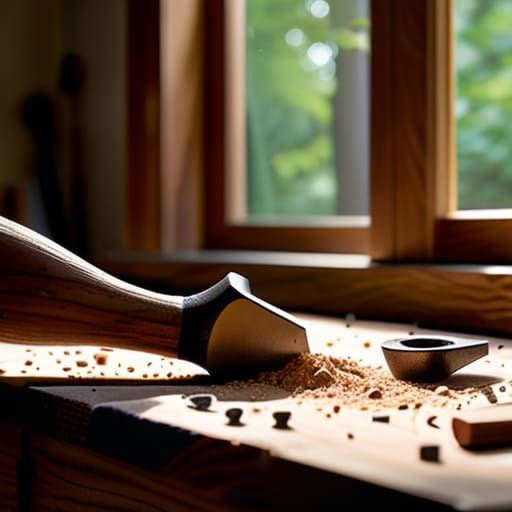
The chaos left behind isn’t just sawdust; it’s a physical record of every compromise I made during the build. My workbench, which I try to keep relatively clear for the sake of my sanity, usually looks like a battlefield of offcuts and misplaced clamps. I find myself hovering over the mess, performing a sort of autopsy on the project. I’ll spend a good deal of time removing assembly marks—those stubborn little divots left by a misplaced clamp or a slip of the chisel—that remind me exactly where my focus wavered.
It’s a slow, rhythmic process of reclamation. I don’t just sweep; I sort. There is a specific kind of mental fatigue that sets in when you’re smoothing rough edges on a final component while simultaneously trying to figure out where the pile of scrap ends and the usable material begins. I’ve learned that effective workshop organization after projects isn’t about being tidy for the sake of aesthetics; it’s about clearing the mental clutter so I can actually see the next decision clearly. If the workspace stays chaotic, the next design will inevitably suffer from it.
Removing Assembly Marks Salvaging the Decisions That Almost Failed
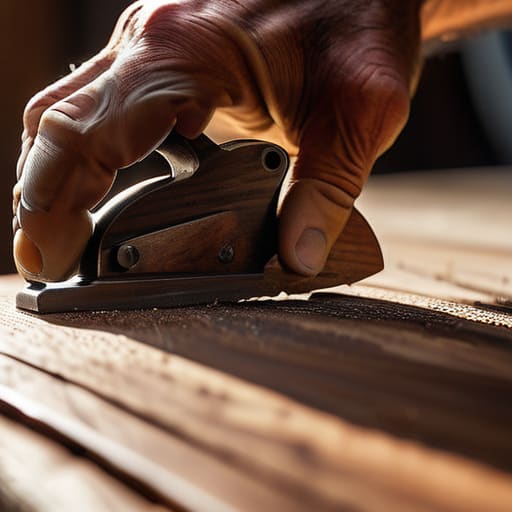
There is a specific kind of anxiety that sets in when the glue is dry but the piece looks like a battlefield. I find myself staring at those stubborn scuffs and dark spots left by clamps—the scars of the build. Removing assembly marks isn’t just a chore; it’s a delicate negotiation with the material. I often reach for my hand planes, knowing that one pass too many could shave off the very dimension that made the joint feel right. It’s a high-stakes moment where I’m essentially undoing the violence of the assembly to find the grace underneath.
I usually spend a good hour just smoothing rough edges and erasing the evidence of my own haste. I have a drawer full of rejected offcuts that failed this exact test—pieces where I over-sanded a corner or left a ring from a misplaced tool. Every time I scrub a surface or lightly sand a seam, I’m thinking about that split second where I almost let a mistake stand. It’s in this quiet, tedious stage that the design actually settles into its final, intended form.
Smoothing Rough Edges Where the Joinery Almost Lost Its Way
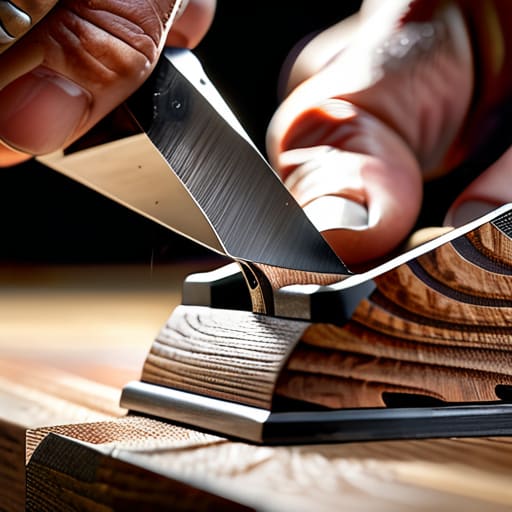
There is a specific kind of tension that settles in the chest when you realize a joint isn’t sitting quite flush. It’s that moment where the math says it should be perfect, but the physical reality is a stubborn, microscopic gap. I find myself reaching for the block plane, not to reshape the piece, but to perform a sort of surgical correction. Smoothing rough edges at this stage isn’t about aesthetics; it’s about rectifying the split-second lapse in judgment that occurred during the actual glue-up. I tend to hover over the work, terrified that one too many passes will turn a minor adjustment into a structural failure.
I’ve learned that true woodworking surface finishing begins long before the oil touches the grain. It starts with these quiet, almost apologetic corrections. I often look at my pile of rejected prototypes—the ones sitting in the corner of the studio with their handwritten “fail” labels—and realize they usually died right here, in this transition between assembly and refinement. It’s a delicate dance of reclaiming the design from the errors made during the heat of construction.
Precision Woodworking Tools and the Cost of a Sloppy Reset
There is a specific kind of anxiety that sets in when you look at a row of high-end chisels or a finely tuned block plane left sitting amidst a pile of sawdust and glue drips. These aren’t just tools; they are extensions of my hands, and they demand a certain level of respect that a messy workspace simply doesn’t afford. If I neglect the proper workshop organization after projects, I’m not just being untidy—I’m actively courting disaster. A single stray shaving caught in a delicate mechanism or a film of dried resin on a blade can turn a precision instrument into a liability.
I’ve learned the hard way that the cost of a sloppy reset is rarely measured in time, but in the unpredictable loss of accuracy. If I don’t clear the bench properly, I might find myself struggling with achieving perfect squareness on the next piece because a microscopic bit of debris was wedged under a reference edge. To me, cleaning up isn’t a chore to be rushed; it is the final, silent act of the design process, ensuring that the tools are ready to face the next difficult decision.
Achieving Perfect Squareness Through the Final Cleanup Ritual
There is a specific kind of anxiety that settles in when a piece is finally clamped, but the geometry feels just slightly off. It’s that nagging suspicion that the glue-up has pulled the frame a fraction of a degree out of alignment. For me, the final stage of cleaning up isn’t just about sweeping sawdust; it’s a diagnostic ritual. I find myself re-checking every corner with a machinist’s square, knowing that if I don’t address a slight twist now, the woodworking surface finishing stage will only serve to highlight my failure.
I often find that the most important part of achieving perfect squareness happens during this quiet, post-assembly lull. I’ll set aside the heavy machinery and simply sit with the piece, using a hand plane to make micro-adjustments to the feet or the rails. It’s a meditative, almost punishing process. You realize that true precision isn’t found in the initial cut, but in the disciplined correction of the errors that occur when the wood begins to move under pressure. It is the final, silent negotiation between the designer and the material.
Woodworking Surface Finishing Erasing the Scars of the Build
There is a specific kind of anxiety that sets in during the final stages of woodworking surface finishing. It’s the moment where the structural integrity of the piece is no longer in question, but its soul is still at risk. As I move through the final sanding stages, I find myself obsessing over the ghosts of the assembly process—those faint, circular shadows left by a clamp or the microscopic abrasions from a misplaced chisel. I don’t just see dust; I see the evidence of every moment where I nearly lost control of the grain.
The goal isn’t just to make the wood shine; it’s about erasing the scars of the build so that the viewer only sees the intention, not the struggle. I often find myself pausing, staring at a section of walnut, wondering if a particular finish will highlight a mistake I thought I had successfully hidden. It’s a delicate dance of removing assembly marks and correcting the visual narrative. If I do my job right, the finish feels like an inevitability rather than a layer applied to mask a series of near-misses.
Workshop Organization After Projects Protecting the Next Great Risk
Once the dust settles and the last bit of oil has soaked into the grain, there is a specific kind of silence that hits the studio. It’s not just the absence of noise; it’s the weight of the project finally being gone. I don’t just put my tools back in their shadows; I treat this stage as a way of honoring the next idea. If I leave the workbench cluttered with the remnants of a failed joint or a stray pile of shavings, I’m essentially telling my future self that the next project doesn’t deserve a clean slate.
I find that true workshop organization after projects isn’t about tidiness for the sake of aesthetics—it’s about mental readiness. I look at my drawers of precision woodworking tools and make sure every chisel is wiped dry and every plane is seated exactly where it belongs. If I leave a tool out of place, I’m inviting a mistake into the next build. I want to step into the room tomorrow and see a space that is ready for a new risk, not a graveyard of the last one.
The Weight of the Reset
Cleaning up isn’t just about tidying the sawdust; it’s a quiet reckoning with the project. Every scrap of waste and every stray mark on the bench is a reminder of a moment where I almost chose the wrong dimension or the wrong grain direction. I don’t just sweep the floor to clear the space; I do it to clear my head of the mistakes that didn’t make the final cut.
Jonathan Marin
The Quiet After the Storm
Looking back at the sawdust on the floor and the scattered assembly marks, I realize that cleaning up isn’t just about tidying a workspace; it is the final stage of the design process itself. From salvaging the joinery that nearly failed to the ritual of resetting my tools for precision, every step of this cleanup is a way of reclaiming the order I lost during the heat of the build. I’ve learned that if you don’t take the time to erase the scars of the assembly—the resin spills, the rough edges, and the frantic marks left by a misplaced clamp—you aren’t truly finished. You are simply leaving a trail of unresolved decisions for your future self to stumble over.
There is a particular kind of peace that comes when the shop is finally silent and the surfaces are clean. It’s in this stillness that I find the space to look at the finished piece and see not just the wood, but the tension between what was planned and what actually happened. We often chase the high of the “eureka” moment, but I’ve found that the real substance of craft lies in the disciplined recovery. Cleaning up is how we honor the work, ensuring that when the next risk presents itself, we are standing on a clean slate, ready to make the wrong decision all over again.
