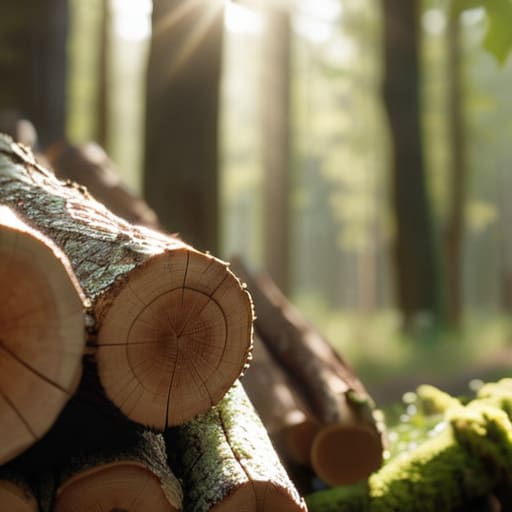
Three Weeks Between Cutting and Working
I can still smell the bitter, metallic tang of that failed walnut sideboard from 2004. I had been so hungry to see the finished joinery that I ignored the humidity in the studio, forcing the assembly long before the grain had found its peace. Two weeks later, the wood groaned and split a mortise clean in half, a violent reminder that you can’t bully organic material into submission. That mistake sits in my “graveyard” of rejected prototypes, a permanent lesson in why how I let timber settle is never about a schedule, but about respecting the physics of the material.
I’m not here to give you a textbook lecture on moisture content or a checklist of expensive sensors you don’t actually need. Instead, I want to talk about the quiet, often frustrating discipline of waiting. I’ll share the practical, unvarnished way I manage my stock—from the specific way I stack my slabs to the gut instinct I use to know when the wood is truly ready for the blade. This isn’t about inspiration; it’s about the hard-won constraints of the craft.
The Near Disaster of Rushing the Timber Seasoning Process

I remember a specific Tuesday in the studio, three years ago, when I was staring at a batch of walnut that looked absolutely perfect. The grain was singing, and I had a deadline for a bespoke sideboard that was breathing down my neck. I felt that familiar, dangerous itch to skip the waiting game—to cut, plane, and join before the wood had truly found its center. I thought I could outsmart the physics of the material, convincing myself that a few extra weeks of nothingness was just wasted billable time.
But then I looked at the scrap pile in the corner, at the warped joints and the split tenons of my younger, more impatient self. I realized that if I proceeded, I wasn’t designing a piece of furniture; I was designing a ticking time bomb. I knew that ignoring the natural wood shrinkage and swelling would eventually turn that beautiful walnut into a collection of expensive kindling. It took a moment of genuine fear to realize that true craftsmanship is often just the discipline of doing nothing until the material is ready to cooperate.
Why I Finally Learned How I Let Timber Settle
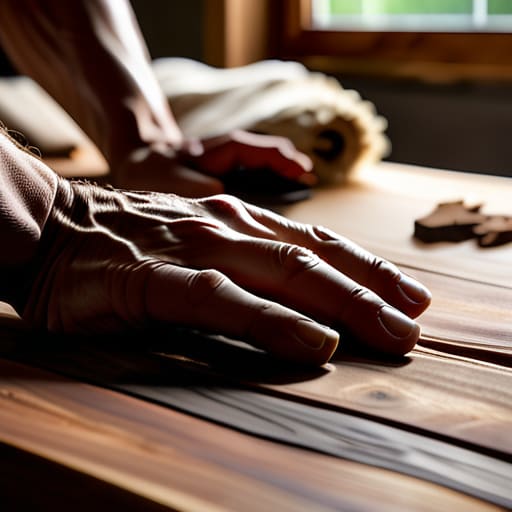
I used to think my job was to impose my will on the material, to bend it to a blueprint through sheer technical force. I viewed the waiting period as a gap in productivity, a void where I wasn’t “designing.” But a decade ago, a dining table I’d poured everything into split right down the center of the grain, three months after it had left my studio. It was a humbling, expensive lesson in the reality of natural wood shrinkage and swelling. I had ignored the way the grain breathes, treating the timber like a static component rather than a living, shifting entity.
Now, my process is dictated by the environment as much as the drawing board. I’ve learned to respect the relationship between the wood and the room, paying close attention to the relative humidity for wood stability before a single joint is cut. It isn’t about being cautious; it’s about acknowledging that the wood has its own agenda. If I don’t account for that internal tension early on, the final object is just a ticking time bomb of structural failure.
Battling Natural Wood Shrinkage and Swelling in the Workshop
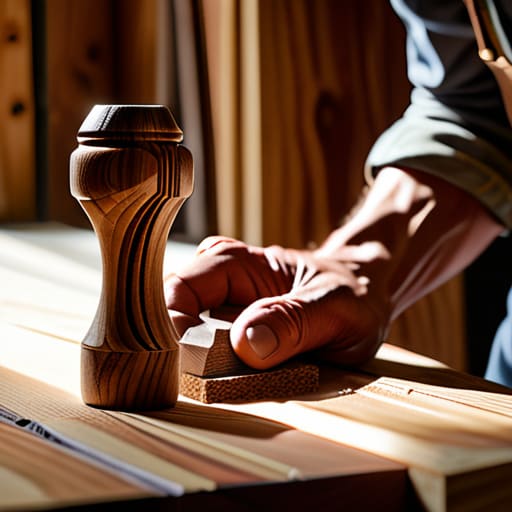
There is a specific kind of anxiety that sets in when you’re halfway through a joinery sequence and the shop air changes. I remember a particular sideboard I was building where the humidity spiked after a week of heavy rain. I had been so confident in my measurements, yet suddenly, the tenons felt like they were fighting me. It was a blunt reminder that natural wood shrinkage and swelling aren’t just theoretical concepts from a textbook; they are active, living forces in the workshop. If I hadn’t accounted for that shift, the entire frame would have buckled under its own tension within a month.
I used to think I could outsmart the material with clever joinery, but you can’t negotiate with physics. Now, I spend more time obsessing over the ambient temperature and wood acclimation than I do on the actual cutting. It’s a slow, often frustrating dance of waiting for the fibers to find their equilibrium. I’ve learned that the most expensive mistake isn’t a wrong cut, but ignoring the invisible movement of the grain. You have to respect the wood’s right to change, or it will eventually change the shape of your work for you.
Finding the Perfect Relative Humidity for Wood Stability
I used to think a workshop was just a place for saws and glue, but lately, it feels more like a laboratory for atmospheric science. I spent years fighting against the wood, treating every warp or split as a personal failure of my technique, rather than a simple misunderstanding of the air. You can have the finest joinery in the world, but if you ignore the relative humidity for wood stability, you’re essentially building a ticking time bomb. I’ve learned that the wood isn’t just sitting in my shop; it is breathing, expanding, and contracting in a constant, invisible dialogue with the room.
It’s a delicate dance of monitoring the hygrometer. I’ve moved away from the “gut feeling” approach that served me in my twenties toward a much more disciplined ritual of ambient temperature wood acclimation. If the air is too dry, the fibers tighten and crack; too damp, and the grain swells until the joints groan. It’s a tedious, quiet kind of work, but it’s the only way to ensure that the tension I build into a piece today doesn’t become a structural disaster in a client’s living room six months from now.
The Tension Between Ambient Temperature Wood Acclimation and Speed
There is a specific kind of madness that takes hold in a workshop when a deadline looms. You look at a stack of beautifully milled walnut and all you can think about is the finished chair, the polished surface, the client’s approval. It is incredibly tempting to treat ambient temperature wood acclimation as a mere suggestion rather than a physical law. I remember one particular project where I tried to bypass a week of temperature stabilization by cranking the studio heaters, thinking I could force the fibers to behave. I was wrong.
The heat didn’t help; it just created a frantic, uneven movement within the grain. By trying to cheat the clock, I nearly ignored the fundamental reality of natural wood shrinkage and swelling. You can’t negotiate with the physics of a cell wall. If the temperature swings too wildly while the wood is trying to find its equilibrium, you aren’t just building furniture; you’re building a ticking time bomb of structural failure. I’ve learned that the most disciplined part of my job isn’t the joinery—it’s the uncomfortable patience required to let the room and the wood reach a silent agreement.
The Precise Math of Hardwood Flooring Expansion Gaps
There is a specific kind of anxiety that sets in when you’re laying down the final planks of a large expanse. You can have the most perfect grain matching in the world, but if you ignore the math, the wood will eventually punish you for your arrogance. I used to think a sixteenth of an inch was plenty, but after seeing a client’s floor buckle because they underestimated the seasonal shift, I realized that hardwood flooring expansion gaps aren’t just suggestions—they are a structural necessity.
I’ve learned to treat these gaps like a buffer for the wood’s breathing. It’s not enough to just account for natural wood shrinkage and swelling; you have to respect the sheer volume of movement that occurs when the seasons turn. I now calculate my gaps based on the total square footage and the specific species, always leaving more room than my instinct tells me to. It feels like wasted space while you’re installing it, but that tiny, hidden void is exactly where the tension is absorbed, preventing the catastrophic lifting that turns a beautiful floor into a liability.
Preventing Wood Floor Warping Through Patient Discipline
There is a specific kind of arrogance that comes with a new shipment of planks. They look uniform, stable, and ready to be nailed down. I used to look at a stack of premium oak and see a finished floor; now, I see a collection of potential problems. I’ve learned that preventing wood floor warping isn’t about the installation itself, but about the quiet, unglamorous weeks spent watching the wood breathe in the client’s actual environment. If you bypass the period of ambient temperature wood acclimation, you aren’t building a floor—you’re building a ticking time bomb of cupping and crowning.
I remember a project three years ago where I ignored my gut and pushed for a faster turnaround. I thought I could compensate for the lack of seasoning with clever joinery. I was wrong. The floor eventually buckled, a physical manifestation of my own impatience. Now, I treat the timber seasoning process as a non-negotiable phase of the build. It requires a certain level of discipline to stand in a room, look at beautiful, expensive material, and decide to do absolutely nothing to it for fourteen days. That stillness is where the real work happens.
The Cost of Impatience
I used to view the waiting period as an interruption to my work, but I’ve come to realize that the seasoning is actually the most critical stage of the design itself; if I don’t respect the wood’s need to find its own equilibrium, I’m not building furniture, I’m just building a temporary arrangement of fibers that’s destined to fail.
Jonathan Marin
The Cost of Patience
Looking back at the workshop floor, I see more than just sawdust and offcuts; I see a series of hard-won lessons regarding the stubborn reality of organic material. We’ve covered the math of expansion gaps, the delicate dance of humidity, and that gut-wrenching urge to bypass the seasoning process just to meet a deadline. But ultimately, managing timber isn’t about mastering a formula or controlling the environment through sheer force of will. It is about acknowledging that wood has its own agenda, and my job is simply to listen to it before the glue ever touches the grain. To ignore the settling period is to invite a slow-motion disaster that no amount of craftsmanship can fix once the joints have already locked.
I often look at my shelf of rejected prototypes—the ones with the split tenons and the warped surfaces—and realize they weren’t failures of skill, but failures of temperament. We live in a culture that demands instant results, yet the most honest objects require us to surrender our sense of urgency. True design isn’t found in the speed of the build, but in the quiet, disciplined intervals where nothing seems to be happening at all. If you want to make something that lasts, you have to learn to value the waiting as much as the making.
