
The Marks Use Leaves
I spent most of yesterday digging through a cardboard box in the corner of my studio, pulling out a stack of rejected chair prototypes. One particular mahogany stool, which I’d scrapped three years ago because the grain felt too “aggressive,” caught my eye. As I ran my hand over the surface, I realized the friction of my own thumb had polished a specific, uneven patch near the seat. It was a mess, technically speaking, but it was the most honest thing in the room. We are constantly sold this lie that perfection is a static state—that a pristine, factory-fresh finish is the gold standard. But in my twenty years of designing, I’ve learned that the real story of why wear can improve an object isn’t about degradation; it’s about the physical record of a life actually being lived.
I’m not here to give you a lecture on the “aesthetic of patina” or some high-minded theory from a design textbook. Instead, I want to talk about the grit of the actual process. I’m going to share what I’ve learned from two decades of watching materials react to the world, focusing on the decisions that stick when the initial gloss fades. This isn’t about making things look old; it’s about understanding how a well-made thing earns its character through honest use.
The Ghost of the Alternative Choice
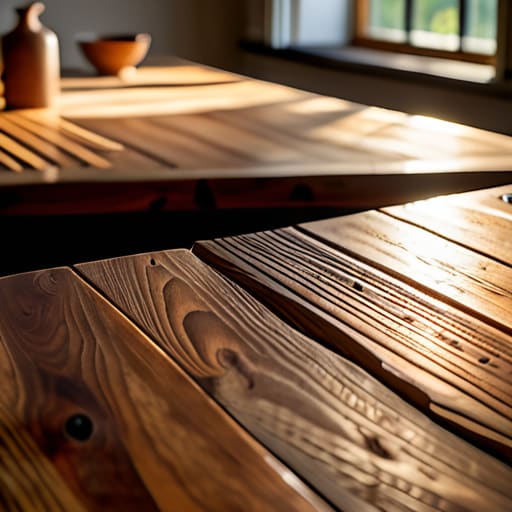
I have a shelf in the back of my studio filled with what I call the “failures.” They aren’t failures of construction, but failures of intent. There is a chair leg carved too aggressively, a joint that was slightly too proud, and a series of drawer pulls that I eventually discarded because they felt too precious. When I look at a piece of furniture that has survived twenty years in a client’s home, I don’t just see the wood; I see the ghost of the alternative choice. I see the version of that table that would have stayed pristine and sterile if I hadn’t pushed for a grain that was just slightly too volatile.
This is where the real magic happens—in the tension between what I intended and what the user actually does. A piece of furniture that survives the daily friction of life begins developing a natural patina that no factory finish can replicate. It becomes a map of human presence. Every dent in a tabletop or softening of a chair’s edge is a record of a decision that nearly went the other way. We often mistake perfection for quality, but I’ve learned that storytelling through physical wear is what actually gives an object its soul.
Why Wear Can Improve an Objects Soul
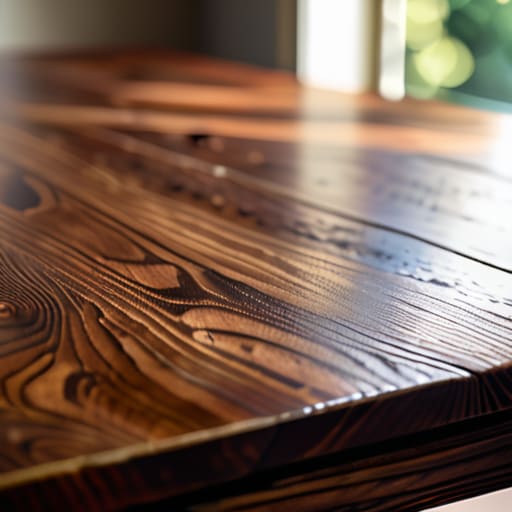
There is a specific kind of loneliness in a pristine object. When I pull a chair out of a showroom, it feels like it’s holding its breath, waiting for permission to exist in a room. It lacks a history because it hasn’t been allowed to fail yet. But as a designer, I’ve learned that the true life of a piece begins when it starts to lose its factory edge. This is where we see the storytelling through physical wear take over; a dent in a walnut tabletop isn’t a defect, it’s a record of a heavy book being set down during a late-night study session.
I find myself leaning into the wabi-sabi philosophy of imperfection more often than I used to. In my early years, I was obsessed with tolerances and flawless finishes, terrified that a single scratch would ruin the “intent.” Now, I realize that perfection is a dead end. A piece of furniture only truly settles into its role when it begins developing a natural patina that reflects the specific habits of its owners. It moves from being a static product of a production line to a living participant in a household.
The Wabi Sabi Philosophy of Imperfection and Grace
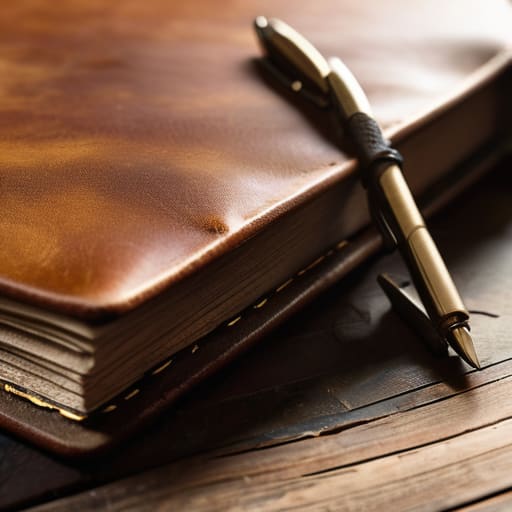
I’ve spent a lot of my career trying to engineer perfection, only to realize that perfection is a dead end. In the studio, we talk about tolerances and finishing grades, but there is a profound lesson in the wabi-sabi philosophy of imperfection that a CAD program simply cannot grasp. It’s the realization that an object doesn’t reach its final form the moment it leaves the factory; it begins its real life only when it starts to be used, bumped, and lived with.
When I look at a well-loved walnut chair, I’m not looking at a product that is failing; I’m looking at a surface that is finally speaking. There is a specific kind of character in aged materials that emerges when a finish stops fighting against the environment and starts working with it. We often obsess over durability versus visual aging, fearing that a scratch is a defect. But I’ve come to see those marks as a form of honesty. A pristine surface tells you nothing about the life lived around it, whereas a patina serves as a quiet, continuous record of presence.
Developing a Natural Patina Through Intentional Living
I’ve spent many afternoons in my studio staring at a slab of walnut, wondering if a heavy matte lacquer would protect it or simply suffocate it. The instinct is always to shield—to protect the “perfect” finish from the chaos of a real life. But there is a profound difference between durability and visual aging. If I seal a surface too tightly, I am essentially deciding that its story ends the moment it leaves my shop. Instead, I’ve learned to design for the friction of existence, choosing oils and waxes that allow for developing a natural patina that responds to the oils of a hand or the slide of a coffee mug.
This isn’t about neglect; it’s about a deliberate partnership with the object. When we stop fighting the inevitable, we begin to see storytelling through physical wear. A dining table shouldn’t be a museum piece; it should be a record of Sunday dinners and late-night deadlines. By choosing materials that embrace this process, we aren’t just making furniture; we are creating the foundation for an emotional connection to heirloom objects that will eventually carry more weight than the wood itself.
Character in Aged Materials and Lost Perfection
I have a drawer in my studio filled with failed joinery and rejected chair legs—each one a monument to a mistake I didn’t make. But when I look at a piece of walnut that has sat in a sunlit dining room for a decade, I don’t see the perfection of the original CAD drawing. I see the storytelling through physical wear that actually gives the wood its weight. A pristine, factory-fresh surface is a lie; it’s a state of suspended animation that hasn’t yet earned its right to exist in a home.
True character in aged materials comes from that tension between the designer’s intent and the user’s reality. When a brass handle loses its luster or a leather seat develops a map of creases, the object stops being a static product and starts becoming a participant in our lives. It’s a shift from mere durability vs visual aging; we aren’t just looking for things that won’t break, we are looking for things that grow more interesting as they fail to stay perfect. That’s where the real soul of the piece hides.
Storytelling Through Physical Wear and Human Contact
I have a drawer in my studio filled with failed joints and warped wood samples—each one a record of a decision that didn’t hold up. But when a piece finally leaves my shop and enters a home, its true history begins to write itself, far beyond my control. I often think about the specific spot on a walnut dining table where a child’s elbow rests every single night while doing homework. That localized thinning of the finish isn’t a defect; it is storytelling through physical wear. It’s a map of presence.
When we talk about the emotional connection to heirloom objects, we aren’t just talking about sentimentality. We are talking about the way a copper vessel darkens where fingers have gripped it most frequently, or how a leather chair holds the shape of its inhabitant. These marks bridge the gap between a static product and a living history. We move past the sterile perfection of the showroom and into a space where the object actually participates in our lives, proving that its value isn’t found in its initial state, but in its ability to endure and record our existence.
The Emotional Connection to Heirloom Objects
There is a specific kind of heavy, quiet gravity that settles over a piece of furniture when it stops being a product and starts being a witness. I see it often in my studio—the way a chair, once a mere arrangement of joinery and timber, begins to hold the weight of the people who sat in it. This emotional connection to heirloom objects isn’t born from the initial purchase, but from the friction of existence. It’s the dent in the sideboard from a moving day twenty years ago, or the way the armrests have smoothed down from decades of restless hands.
We often mistake durability vs visual aging as a binary struggle, thinking that to last, an object must remain frozen in its showroom state. But true longevity is different. An object that resists change feels sterile, almost defensive. An heirloom, however, invites the world in. It embraces the aesthetic of aging and decay not as a failure of material, but as a record of survival. When I look at a well-loved table, I don’t see damage; I see a successful negotiation between a designed intent and a lived reality.
The Evidence of Living
A pristine surface is just a lack of history; I find that a chair only truly becomes mine once the friction of my own life begins to rewrite the finish I originally intended.
Jonathan Marin
The Final Decision
Looking back at the sections we’ve covered, it becomes clear that an object’s value isn’t a static number determined at the point of sale. It’s a living dialogue between the maker’s intent and the user’s life. We’ve talked about how wear acts as a physical record of our choices, how the patina of age provides a soul that a factory-perfect finish can never mimic, and how the most meaningful pieces are often those that have survived the friction of daily existence. Ultimately, the scratches and the faded edges are not defects; they are the visible evidence of a life being lived alongside the things we own. We aren’t just collecting items; we are curating a history of contact.
I often find myself looking at the pile of rejected prototypes in the corner of my studio—the ones where I played it too safe, the ones that were too “perfect” to ever feel real. They remind me that true design isn’t about achieving an untouchable state of grace, but about creating something sturdy enough to be used, broken, and eventually, loved. Don’t be afraid of the dent in the wood or the softening of the leather. Those marks are simply the universe’s way of confirming that the object has fulfilled its purpose. In the end, the most beautiful thing about a well-worn object is that it tells us the decision to keep using it was the right one.
