The Table in a Family’s Memory
I was clearing out a corner of my workshop last Tuesday—the graveyard of “almosts”—when I found the prototype for the walnut sideboard I finished three years ago. It’s a heavy, awkward thing with a joint that sits just slightly too proud, and yet, I couldn’t bring myself to toss it. People love to get clinical about this, talking about “sentimental anchors” or “neurological triggers,” as if there’s some grand psychological formula for why we attach meaning to objects. But that’s nonsense. We don’t love things because they are perfect; we love them because they are the physical residue of a moment where we had to choose.
I’m not here to give you a lecture on consumer psychology or tell you how to curate a “meaningful” life through expensive acquisitions. Instead, I want to talk about the weight of the decisions that stay with us. I’ll be looking at this through the lens of a designer who has spent twenty years wrestling with wood, steel, and the ghosts of alternative versions. We are going to explore how the things we keep are actually just maps of the paths we didn’t take.
The Ghost of the Alternative Why We Attach Meaning to Objects
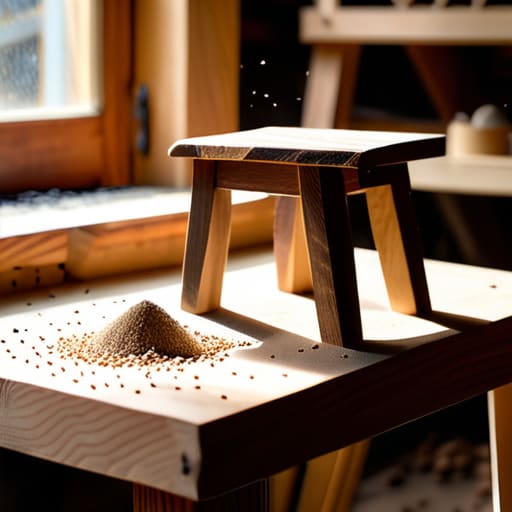
I have a shelf in the back of my studio, tucked behind the samples of walnut and birch, that serves as a graveyard for my indecision. These are the rejected prototypes—the chair with the slightly too aggressive taper, the stool with the leg joinery that felt dishonest. I keep them because they represent the paths not taken. When I look at a finished piece of furniture, I don’t just see the final form; I see the tension of the choices that nearly went the other way.
This is where the psychology of sentimental value actually lives. We think we love an object because of what it does, but we often love it because of what it represents in the timeline of our lives. An object acts as a physical anchor for memory retrieval through physical items; it is a vessel for a specific version of ourselves that no longer exists. We aren’t just holding a heavy, brass paperweight; we are holding the weight of the Tuesday afternoon when we decided to stay in a city we eventually left. The meaning isn’t in the material, but in the ghost of the alternative that lingers in the room.
The Neuroscience of Object Attachment and the Choices We Survived
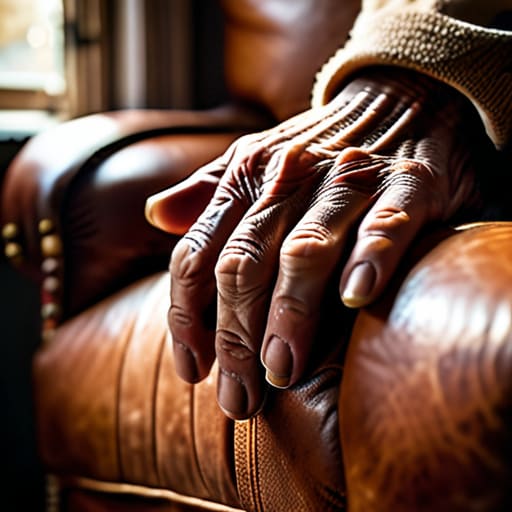
I spent a decade thinking about the way wood grain or a specific joint worked, but I’ve come to realize that our brains aren’t just processing geometry; they are processing history. When we touch a well-worn leather chair, we aren’t just feeling hide and stuffing. We are triggering a complex cascade of neural pathways. The neuroscience of object attachment suggests that our brains often fail to distinguish between a lived experience and a physical surrogate for that experience. The object becomes a scaffold for the self.
It’s a strange biological loophole. A simple brass key or a heavy ceramic bowl can act as a physical anchor for memory retrieval through physical items, bypassing the fog of time that usually obscures our past. We don’t just remember the person who gave us the bowl; the weight of the ceramic in our hands actually reconstructs the neurological state we were in when we last sat across from them. We aren’t just holding onto things; we are holding onto the versions of ourselves that existed when those things were new.
Tracing the Psychology of Sentimental Value Through Lost Possibilities
In my studio, I have a shelf of “failures”—chair legs too thin, joinery that split under pressure, wood grain that refused to cooperate. To a stranger, they are scrap. To me, they are a physical map of a decision-making process. This is where the psychology of sentimental value becomes tangible; we don’t just love the object for what it is, but for the version of ourselves that survived the choice to make it. We cling to things because they act as anchors for the versions of our lives that almost drifted away.
When we hold an old, tarnished watch or a heavy oak table, we aren’t just engaging in simple memory retrieval through physical items. We are performing a sort of quiet archaeology. We are touching the exact point where a possibility was pruned so that the present could exist. That object becomes a vessel for the unlived life, a way to keep the “what ifs” from disappearing entirely. It’s not about the material; it’s about the weight of the choice that stayed.
The Emotional Connection to Possessions That Almost Never Existed
I have a shelf in the back of my studio, tucked behind a stack of reclaimed oak, that serves as a graveyard for my own indecision. It’s filled with chair legs that were too aggressive, joinery that felt dishonest, and brass hardware that looked expensive but lacked soul. When I look at them, I don’t see failure; I see the narrow path of the final product. We often think our belongings are chosen because they are perfect, but the truth is more complex. We form an emotional connection to possessions precisely because they represent the victory of one specific choice over a dozen others.
Every object in your home is a survivor of a thousand discarded versions. That heavy, cast-iron skillet or the specific mid-century lamp in your corner wasn’t just a purchase; it was a decision made against a backdrop of alternatives. This is where the psychology of sentimental value gets interesting. We aren’t just bonding with the material itself, but with the certainty we felt in choosing it. We hold onto things because they are the physical anchors of the moments when we finally decided what we wanted our lives to look like.
Memory Retrieval Through Physical Items and the Paths Not Taken
I have a drawer in my studio filled with failed joinery samples—pieces of walnut and oak that never made it into a chair. To a stranger, they are scrap. To me, they are anchors. When I run my thumb over a botched dovetail, I’m not just remembering a mistake; I’m engaging in a specific kind of memory retrieval through physical items. The wood acts as a tactile trigger, pulling me back to a Tuesday in 2004 when I was convinced a certain angle would work, only to watch it splinter under the clamp.
This is where the psychology of sentimental value gets messy and beautiful. We don’t just store data in our brains; we outsource our history to the things we touch. A heavy brass paperweight or a worn leather sketchbook becomes a physical vessel for the versions of ourselves that no longer exist. We cling to them because they provide a sensory bridge to the paths we didn’t take, turning a simple object into a tangible map of our own evolution.
Nostalgia and Material Culture the Weight of Every Refusal
In my studio, there is a corner dedicated to the things that failed. It’s a graveyard of bent walnut and misaligned joinery, each piece tagged with a note explaining why it didn’t make the cut. To a stranger, it looks like clutter; to me, it is a map of decisions. This is the crux of nostalgia and material culture: we don’t just bond with the things that work, we bond with the friction of the process. We carry the weight of the versions of ourselves that were rejected along with the objects we eventually chose to keep.
When we look at an old, scarred desk, we aren’t just performing a simple act of memory retrieval through physical items. We are interacting with the residue of survival. Every scratch represents a moment where a different path was possible—a move not taken, a tool not used, a lifestyle not adopted. The psychology of sentimental value is often less about the object’s utility and more about its role as a witness to our own persistence. We hold onto things because they are the physical anchors for the lives we actually lived, rather than the ones we merely imagined.
The Symbolic Meaning of Heirlooms and Their Near Miss Histories
When I look at my father’s old drafting stool—the one with the scarred walnut top and the uneven caster—I don’t just see a piece of furniture. I see a series of narrow escapes. It survived a move across the country in a truck that shook everything to pieces, and it survived a decade of being ignored in a damp basement. This is the core of the symbolic meaning of heirlooms; they aren’t just vessels for memory, but survivors of a thousand different endings. We tend to think of inheritance as a hand-off of value, but it’s actually a hand-off of continuity.
An heirloom is essentially a physical anchor in a world that refuses to stand still. It carries the weight of the decisions made by those who came before us—the choice to repair rather than replace, or to hold onto something despite its flaws. This deep emotional connection to possessions stems from the realization that if this object had been lost or discarded in 1984, a specific thread of our family narrative would have simply snapped. We aren’t just keeping things; we are guarding the narrow paths that allowed our history to remain intact.
The Residue of Decision
We don’t love things because they are perfect; we love them because they are the survivors of a thousand tiny, difficult refusals. Every object in a room is a quiet victory over the versions of itself that were too expensive, too fragile, or too wrong to exist.
Jonathan Marin
The Inventory of Our Choices
We spend our lives surrounded by a silent archive of decisions. From the neurobiology of how we anchor memory to the heavy symbolism of the heirlooms we pass down, it becomes clear that our possessions are rarely just about utility. They are the physical residue of our refusals—the tangible evidence of the paths we didn’t take and the versions of ourselves we left behind. When we look at a chair or a worn leather journal, we aren’t just seeing material; we are seeing the sum of our compromises. Every object in our home is a victory over an alternative, a quiet testament to the choices we survived in the pursuit of a life that felt right.
I often look at the stack of rejected prototypes in my studio, those failed iterations of joinery and form, and I realize they aren’t failures at all. They are the necessary shadows that give the final piece its light. Perhaps we should view our own belongings with that same designer’s eye. Instead of seeing clutter or mere stuff, see the narrative of your own agency. Every item you keep is a vote you cast for a specific way of being. Embrace the weight of your things, for they are the only way we can truly see the ghosts of the alternatives that shaped who we are today.
