
The Lesson Inside a Ruined Board
I have a shelf in my studio that most designers would call a graveyard. It’s filled with bent plywood, misaligned joinery, and chair legs that are three millimeters too short. To anyone else, it’s a collection of failures, but to me, it’s a library of truth. We’re constantly sold this polished narrative that mastery is a straight line of wins, but anyone who has actually worked with their hands knows that’s a lie. The real reason why mistakes teach more than success isn’t some lofty, motivational platitude; it’s because a success rarely forces you to look closely at your own process. A success just lets you move on, while a mistake forces you to stop and interrogate the material.
I’m not here to give you a pep talk or tell you that “failure is a gift” in some vague, spiritual sense. I want to talk about the grit of the pivot. I’m going to share what I’ve learned from twenty years of watching prototypes fail so that the final product might actually stand up. We’re going to look at the logic of the near-miss and how the most defining moments in a career aren’t the awards, but the split-second decisions that saved a project from its own errors.
The Elegant Pivot Why Mistakes Teach More Than Success
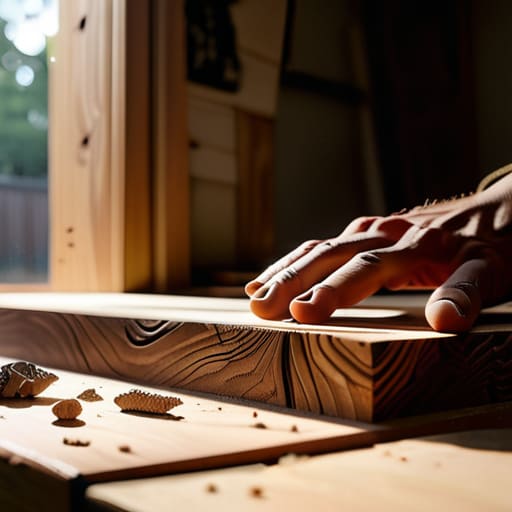
I have a shelf in the back of my studio—a graveyard of bent plywood and miscalculated joinery. Most people see them as waste, but to me, they are the only honest records of my career. When a project goes perfectly, I rarely learn anything; I simply confirm what I already knew. But when a leg snaps under a load test or a CNC bit wanders off course, I am forced into a state of hyper-awareness. This is where the real psychology of learning from errors takes hold. You aren’t just fixing a piece of wood; you are remapping your internal logic.
Success is often a closed loop, a reinforcement of existing habits. A mistake, however, acts as a violent interruption that demands a new way of seeing. There is a profound cognitive benefit to trial and error because it strips away the ego and leaves only the mechanics of the problem. You stop performing “design” and start engaging with the reality of the material. It’s in that uncomfortable friction—the moment you realize your initial assumption was wrong—that the most durable skills are actually forged.
The Psychology of Learning From Errors and Near Misses
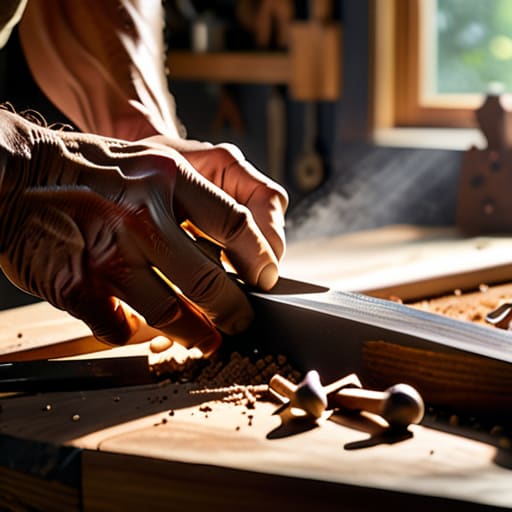
There is a specific kind of friction that occurs when a joint doesn’t seat properly or a wood grain tears under the chisel. In those moments, your brain isn’t just processing a technical error; it is undergoing a profound shift. This is where the psychology of learning from errors moves from theory into the bone. When we succeed on the first try, we often move through the process on autopilot, reinforcing existing habits without questioning them. But a mistake forces a sudden, sharp halt. It demands a level of presence that success simply doesn’t require.
I’ve often thought about how this relates to neuroplasticity and mistake correction. When I’m staring at a rejected prototype in my scrap pile, I’m looking at a moment where my mental model of the material collided with reality. That collision is where the actual growth happens. It isn’t just about fixing the physical object; it’s about the cognitive recalibration that follows. We don’t learn by being right; we learn by the intense, focused effort required to reconcile our intentions with our failures. That tension is the only way to truly expand what we are capable of making.
Neuroplasticity and Mistake Correction Rewiring the Creative Brain
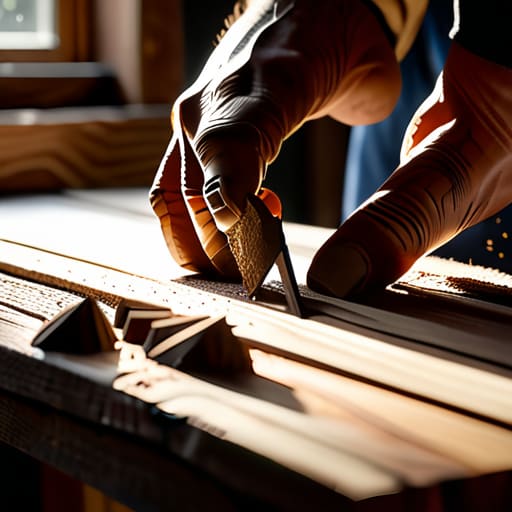
I’ve spent enough time hunched over a drafting table to know that the brain doesn’t actually learn much when things go perfectly. When a joint fits on the first try, or a digital render looks exactly as intended, the mind stays in a sort of passive cruise control. It’s only when the wood splits unexpectedly or the scale feels fundamentally “off” that the real work begins. This is where neuroplasticity and mistake correction move from academic jargon into the physical reality of the studio. When you encounter a friction point, your brain is forced to abandon its predictable pathways and forge new ones to resolve the conflict.
There is a specific kind of cognitive grit that develops when you’re forced to troubleshoot. I like to think of it as the biological equivalent of sanding down a rough edge; it’s uncomfortable, but it’s how you achieve a smooth finish. By leaning into the cognitive benefits of trial and error, we aren’t just fixing a broken chair leg or a misaligned typeface. We are actually training our neural architecture to become more flexible, ensuring that the next time a design decision threatens to derail us, we have the mental infrastructure to pivot rather than panic.
The Cognitive Benefits of Trial and Error Over Perfection
When I’m hunched over a workbench, staring at a joint that won’t seat properly or a CNC file that’s just slightly off, I’m not just fixing a piece of wood. I’m engaging in a high-stakes mental recalibration. There is a specific kind of cognitive friction that occurs when a plan meets reality and fails. Perfection is a closed loop; it offers no new data because it assumes you already knew the answer. But the cognitive benefits of trial and error lie in that friction. It forces the brain to move beyond mere pattern recognition and into the realm of active problem-solving, where you are forced to deconstruct your own logic to find the flaw.
This is where the psychology of learning from errors becomes a practical tool rather than a theoretical concept. When you aim for a flawless execution on the first pass, you are essentially bypassing the most rigorous part of the thinking process. True mastery isn’t found in the absence of error, but in the ability to navigate the messy, non-linear path of correction. It is the difference between following a recipe and actually understanding the chemistry of the ingredients.
Cultivating a Growth Mindset and Failure Through Intentional Friction
In my studio, I’ve learned that comfort is the enemy of craft. When a joint fits perfectly on the first try, I rarely feel the urge to study it; I just move on. But when a tenon is a hair too loose, or a wood grain tears unexpectedly, that’s when the real work begins. To truly master a skill, you have to stop treating friction as a nuisance and start seeing it as a teacher. I’ve begun intentionally pushing my materials to their breaking points, not to be destructive, but to understand the threshold of their limits. This is where resilience through setbacks becomes a tangible, tactile thing rather than just a psychological concept.
It isn’t enough to just “fail better.” You have to design your process to invite the error. I call it intentional friction. By choosing a slightly more difficult joinery method or a temperamental ink for my letterpress, I am forcing my brain to navigate the gap between intention and reality. This constant navigation is the core of turning failures into opportunities for deeper understanding. If you only ever work within the bounds of what you know you can do, you aren’t growing; you’re just repeating.
Forging Resilience Through Setbacks and Unplanned Detours
I have a shelf in the back of my studio dedicated to what I call the “ghosts.” They are the chair legs that were too spindly, the joinery that split under the slightest pressure, and the drawer fronts that arrived an eighth of an inch too wide. In the beginning, these felt like personal indictments. Now, I see them as the most honest part of my practice. Building resilience through setbacks isn’t about some lofty, cinematic moment of triumph; it’s much more mundane. It’s the quiet, slightly annoyed realization that you have to scrap three days of work and start again because you misread a technical drawing.
That friction is where the real work happens. When a design fails, you aren’t just fixing a physical object; you are recalibrating your own judgment. There is a profound difference between the hollow confidence of a project that went perfectly and the hard-won stability that comes from turning failures into opportunities for better structural logic. You learn to anticipate the break before it happens. You stop fearing the detour and start realizing that the detour is often the only way to find a more interesting path forward.
Turning Failures Into Opportunities for Better Finished Objects
In my studio, there is a shelf in the corner that I call the “Graveyard of Good Intentions.” It is filled with chair legs that were too thin, joinery that split under pressure, and wood grains that fought my every move. To a stranger, it looks like a collection of debris, but to me, it is a library of data. When a prototype fails, you aren’t just looking at a broken piece of walnut; you are looking at the exact boundary where your theory met reality. This is where the real work of turning failures into opportunities begins. You stop mourning the lost material and start interrogating the mistake.
The transition from a failed attempt to a superior final product requires a specific kind of mental toughness. It is about moving past the ego-bruising sting of a mistake and leaning into the cognitive benefits of trial and error. When I sit with a rejected piece, I am looking for that one specific pivot point—the moment where the error forced me to invent a solution I never would have reached through a “perfect” process. A finished object is rarely the result of a straight line; it is the survivor of a thousand near-misses.
The Ghost in the Grain
Success is a closed loop; it tells you that you were right, which is often the quickest way to stop learning. But a mistake—that jagged, uncomfortable moment where the joinery fails or the proportion feels wrong—is an open door. It forces you to sit with the friction until you find the better way.
Jonathan Marin
The Weight of the Final Choice
Looking back at the stacks of rejected prototypes in the corner of my studio, I realize they aren’t just clutter; they are a map of my own evolution. We’ve traced how the friction of a mistake forces a cognitive pivot, how neuroplasticity thrives on the corrective impulse, and why the pursuit of perfection often acts as a cage rather than a guide. Success is a comfortable destination, but it rarely demands anything of us. It is the unplanned detour—the moment the joinery fails or the material resists your intent—that forces you to actually engage with the medium. It is in those moments of error that we stop merely executing a plan and start truly designing.
So, the next time a project veers sharply away from your original vision, don’t rush to erase the deviation. Instead, lean into the tension. Most people spend their lives trying to smooth out the bumps, but the character of a life, much like a well-made chair, is defined by how it handles the stress. The most profound lessons aren’t found in the easy wins, but in the decisions that nearly went the other way. Embrace the error, document the failure, and remember that the most interesting part of your work will always be the beautiful near-misses.
