What We Notice in Something Made by Hand
I was clearing out a corner of the studio last Tuesday when I tripped over the “almost” chair—a walnut stool from 2008 with a leg cut just three degrees too shallow. It’s sitting in my graveyard of rejected prototypes, right next to the letterpress blocks that didn’t quite catch the ink. People love to get misty-eyed about the “soul” of a piece, using lofty, expensive words to explain why handmade objects feel different, but they usually miss the mark. It isn’t some mystical, spiritual energy vibrating off the wood; it’s the visible tension of a human being navigating a series of difficult choices.
I’m not here to sell you on the romance of the artisan or the poetry of the maker’s mark. Instead, I want to talk about the friction between intention and reality. I’m going to show you how to look past the marketing fluff and see the actual mechanics of character—the way a maker’s refusal to settle for the easy path creates something that actually holds your attention. We’re going to look at the geometry of error and why the most meaningful things in your home are often the ones that nearly went the other way.
The Near Miss Why Handmade Objects Feel Different
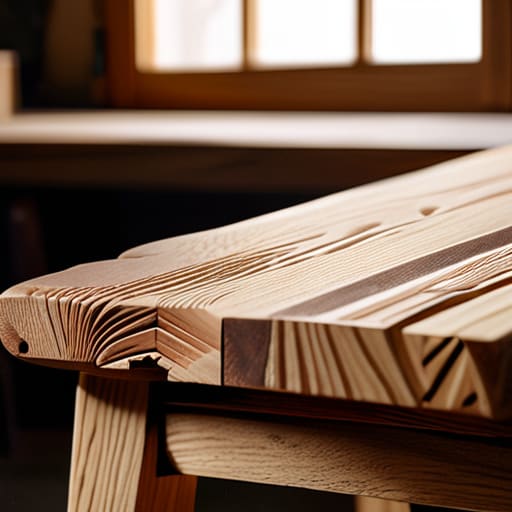
I have a shelf in the back of my studio, tucked away from the clients and the clean sunlight, filled with what I call “the ghosts.” These are the rejected prototypes—the chairs with legs that were a fraction too splayed, or the joinery that felt slightly too aggressive. I can’t bring myself to toss them because they represent the most vital part of the process: the moment a decision nearly went the other way. When you hold a piece made by a machine, you are holding a mathematical certainty. But when you hold something made by hand, you are engaging with a series of negotiations.
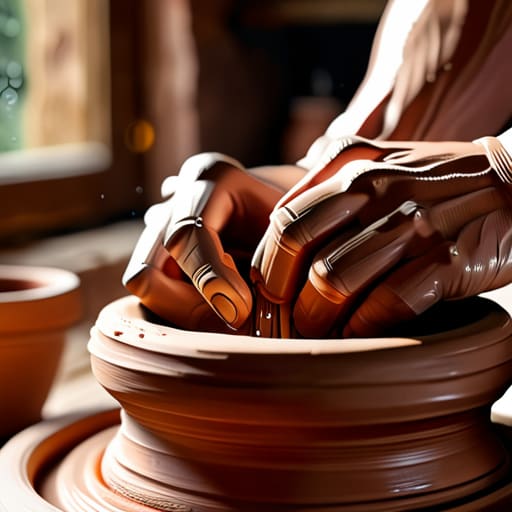
There is a specific psychology of craftsmanship at play when we encounter these subtle deviations. It isn’t about a lack of skill; it’s about the visible evidence of a human being reacting to the material in real-time. You see it in the way a wood grain dictates the curve of a mallet, or how a slight variation in a hand-thrown glaze reveals a moment of hesitation. We don’t connect to the perfection; we connect to the tension between the maker’s intent and the physical reality of the medium.
The Ghost in the Grain the Psychology of Craftsmanship
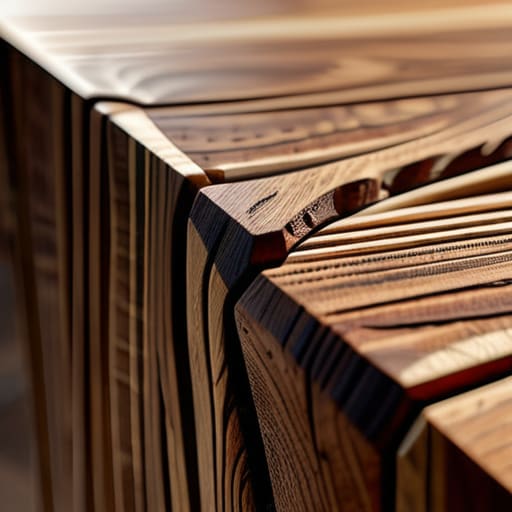
I’ve spent enough afternoons in the studio to know that we don’t just look at a chair; we subconsciously scan it for a pulse. There is a specific psychology of craftsmanship at play when we encounter something made by hand. We aren’t just looking for symmetry—in fact, perfect symmetry often feels sterile, even defensive. Instead, our eyes hunt for the slight deviation in a join or the way a chisel stroke follows the natural, stubborn curve of the wood grain. It’s a recognition of a struggle. When we see those traces, we aren’t seeing “errors”; we are seeing the evidence of a person navigating the material in real-time.
This is where the emotional connection to handmade items truly takes root. In a world of relentless, frictionless mass production, an object that bears the marks of its own making feels honest. It acknowledges that the world is difficult and that making things is a series of negotiations. When a piece of furniture carries that subtle weight of human decision-making, it stops being a mere utility and starts feeling like a companion in the room.
The Beautiful Error Imperfection and Aesthetic Appeal
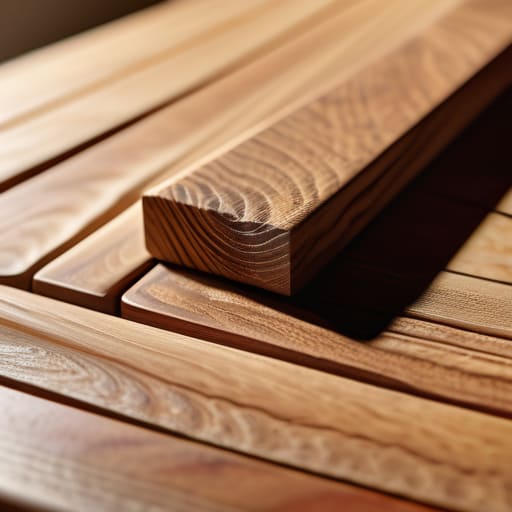
I have a shelf in my studio dedicated to what I call the “graveyard of almosts.” It’s filled with chair legs that were slightly too tapered or joinery that fought me every step of the way. In a world of CAD-perfected tolerances, these pieces look like failures. But when I look at a finished table—one where the grain has a slight, unplanned swirl or a hand-planed surface shows the faint, rhythmic ghosts of the blade—I don’t see a mistake. I see the human touch in manufacturing that a CNC machine simply cannot replicate.
There is a specific tension in the imperfection and aesthetic appeal of a hand-carved bowl or a hand-bound book. We are biologically wired to seek out these tiny deviations. When everything is mathematically flawless, the eye finds nothing to rest on; it slides right off the surface. But a slight asymmetry forces us to engage. It creates an emotional connection to handmade items because we recognize ourselves in that struggle. We see the moment the maker hesitated, corrected, or simply accepted the wood’s will. That’s where the soul lives.
Tracing the Human Touch in Manufacturing
I spent most of last Tuesday staring at a CNC-milled chair leg that was, by every mathematical definition, perfect. It was smooth, symmetrical, and utterly vacant. In my studio, I have a shelf dedicated to the “almosts”—prototypes where the grain fought back or a chisel slipped just enough to change the geometry. When we talk about the human touch in manufacturing, we aren’t just talking about a lack of precision; we are talking about the presence of a decision. A machine follows a path because it is programmed to; a craftsman follows a path because he is negotiating with the material.
In the tension between mass production vs artisanal goods, the difference lies in the record of that negotiation. A factory line seeks to eliminate the variable, to flatten the narrative into a single, repeatable data point. But when I look at a hand-planed surface, I see the rhythm of a person’s breath and the slight, inevitable shift in their stance. It is a physical ledger of effort. We don’t crave the error itself; we crave the evidence that someone was actually there making the choice to continue.
The Soul of the Deviation Uniqueness of Artisanal Products
I spent last Tuesday clearing a space on my workbench to make room for a new prototype, which inevitably meant tripping over a pile of “failures.” To a stranger, they’re just scraps of walnut or bent plywood. To me, they are a record of the tension between intent and reality. This is where the true uniqueness of artisanal products resides—not in a grand, sweeping vision, but in those tiny, localized deviations where the material pushed back. A machine follows a path of least resistance, producing a thousand identical lines. A person, however, negotiates with the grain, adjusting a chisel stroke when the wood knots unexpectedly.
When we talk about the emotional connection to handmade items, we are really talking about our recognition of that negotiation. We don’t just see a chair; we subconsciously sense the moment the maker had to compensate for a slight warp in the timber. That subtle shift is what separates a piece of furniture from a mere unit of inventory. It is the difference between a product that simply occupies space and one that feels like it has a distinct, lived-in character.
Mass Production vs Artisanal Goods the Cost of Perfection
In my studio, I have a shelf dedicated to the “almosts”—the chairs with legs that were two degrees too splayed, or the joinery that felt just a hair too aggressive. In the world of mass production, those pieces are landfill. Efficiency is a predator that hunts down any deviation from the mathematical mean. When you look at a factory-perfect table, you aren’t looking at a triumph of design; you are looking at the total absence of risk. The cost of that perfection is a strange kind of sterility, a lack of friction that leaves the eye with nothing to hold onto.
The tension in the debate of mass production vs artisanal goods isn’t actually about quality—it’s about the price we pay for predictability. A machine can replicate a curve a thousand times without ever hesitating, but it can never experience the moment of doubt that defines a real object. When we seek out the uniqueness of artisanal products, we are essentially paying for the maker’s struggle. We are buying the evidence that a human being stood in a room, looked at a piece of wood, and made a choice that wasn’t dictated by an algorithm.
Finding the Heart Emotional Connection to Handmade Items
I have a shelf in my studio dedicated to the “almosts”—the chairs with legs that were a fraction too splayed, or the joinery that felt just a bit too aggressive. Most people see a finished piece of furniture and think of the final result, but when I look at a hand-planed tabletop, I’m looking for the residue of a choice. There is a profound emotional connection to handmade items that stems from this very tension. You aren’t just interacting with wood and glue; you are interacting with the ghost of a maker’s hesitation.
When we hold something born from a machine, it feels resolved, almost too certain, like a mathematical equation that has already been solved. But a handmade object remains an open conversation. It carries the weight of the maker’s presence, a subtle vibration that reminds you that a human being once stood exactly where you are standing now. This isn’t about sentimentality; it’s about the psychology of craftsmanship—the realization that an object can possess a certain vitality simply because it survived the messy, unpredictable process of being made.
The Weight of a Choice
A machine produces a result, but a maker produces a series of survived decisions; you aren’t just touching wood or steel, you’re touching the exact moment someone decided not to take the easy way out.
Jonathan Marin
The Weight of the Decision
When I look at the shelf in my studio, I don’t see a collection of perfect outcomes; I see a graveyard of near-misses. We’ve spent this time tracing the invisible threads that connect us to the things we own—the way a slight deviation in a dovetail joint or the uneven ink density on a letterpress print acts as a physical record of a human being making a choice. It isn’t just about the absence of machine precision; it is about the presence of deliberate friction. We feel the difference in handmade objects because they carry the weight of those split-second decisions, the moments where the maker resisted the easiest path to find something more honest.
Ultimately, our relationship with the objects around us shouldn’t be one of passive consumption, but of active recognition. In a world increasingly smoothed over by algorithms and seamless plastic, choosing the handmade is a quiet act of rebellion. It is a way of saying that we value the struggle over the shortcut and the story over the standard. So, the next time you run your hand over a surface that isn’t quite level, don’t look for the flaw. Instead, look for the person who decided that the error was worth keeping.
