
Pricing Work Without Underpaying Yourself
I was standing in my studio last Tuesday, staring at a prototype chair that had cost me three weeks of sleep and a significant amount of walnut, trying to figure out how to price work as a maker without feeling like a thief or a martyr. There is this pervasive, polished myth in the design world that pricing is a mathematical equation—a clean spreadsheet of labor hours multiplied by a standard rate, plus a margin for “growth.” It’s a lie. It ignores the unseen friction of the process: the failed joinery, the three hours spent sourcing the right hardware, and the quiet, internal debate over whether a specific curve was worth the extra cost.
I’m not here to give you a template or a way to automate your soul into a line item. Instead, I want to talk about the messy, uncomfortable reality of valuing your time and your mistakes. We are going to look at the decisions that almost went the other way—the ones that actually define the value of the object—and figure out how to account for them. This isn’t about finding a “sweet spot” in a market; it’s about building a sustainable practice that respects the constraints of your craft.
The Cost of the Path Not Taken How to Price Work as a Maker
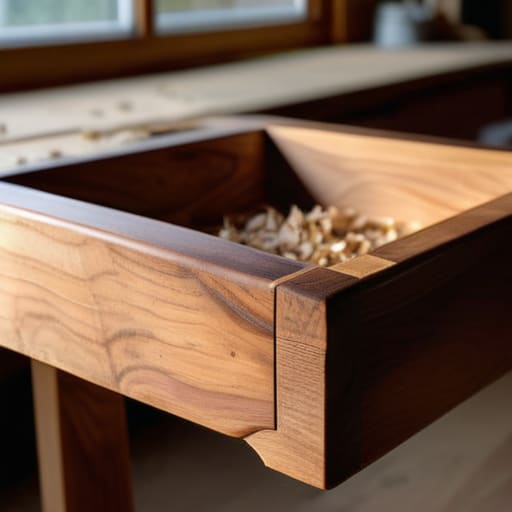
I have a shelf in the back of the studio filled with “failures”—a chair leg with a grain direction that would have split under pressure, a drawer front with a radius that felt too aggressive. Most people see waste, but I see the hidden costs of my process. When you start calculating profit margins for artisans, you realize you aren’t just charging for the wood and the glue; you are charging for the three hours you spent realizing that a specific joint wouldn’t work. That “lost” time is a real expense, yet it’s the first thing most makers leave out of their spreadsheets.
The math often feels cold, a stark contrast to the tactile warmth of the workshop. We tend to focus on the markup vs margin for handmade goods as if it were a purely academic exercise, but it’s actually a survival mechanism. If I don’t account for the moments where I had to pivot—the moments where the design nearly went the other way—I end up subsidizing the client’s purchase with my own dwindling savings. Pricing isn’t just about covering the materials; it’s about honoring the friction inherent in the making.
The Ghost in the Machine Accounting for Studio Expenses
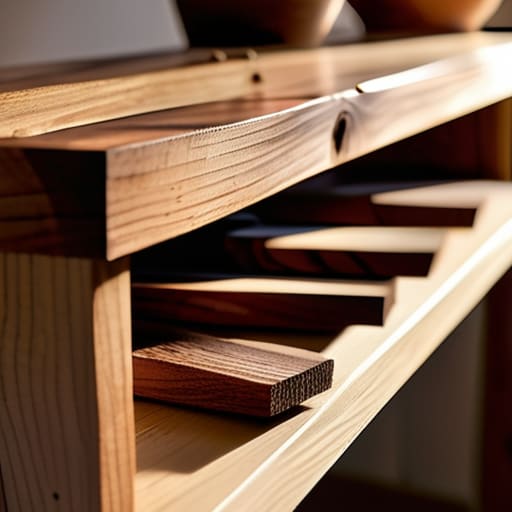
I have a shelf in the back of my studio, tucked behind the stacks of walnut offcuts, that holds the real ledger of my business. It’s not a spreadsheet; it’s a graveyard of failed joinery and warped slabs. When people talk about accounting for studio expenses, they usually point to the electricity bill or the rent for the floor space. But for me, the true expense is the overhead of the mistakes that taught me how to get it right the next time. You aren’t just paying for the glue and the sandpaper; you are paying for the years it took to learn exactly how much glue is too much.
If you try to strip your pricing down to just materials and a simple hourly rate, you end up building a house on sand. I’ve seen too many talented makers fall into the trap of ignoring the quiet drains on the bank account—the subscription for that design software, the slow decay of a dull saw blade, or the cost of the space where you sit and think. You have to bake these ghosts into your numbers. If your pricing doesn’t account for the cost of the room you’re standing in, you aren’t running a business; you’re just paying for a very expensive hobby.
Measuring the Sweat Finding Your Labor Cost Per Hour for Crafters
I have a shelf in the corner of my studio dedicated to the “almosts”—the chairs with legs that were a fraction too spindly, the joinery that failed the stress test. People see the finished walnut sideboard and see a static object, but I see the hours of hesitation. When I sit down to figure out my labor cost per hour for crafters, I’m not just looking at a stopwatch. I’m looking at the cognitive load of those hesitations. If a piece takes ten hours to build but another four hours to decide how it should be built, those fourteen hours must be accounted for.
The mistake I made early in my career was treating my hands as if they were free, while my mind was working overtime. You cannot simply pick a number out of thin air to satisfy a spreadsheet. You have to account for the friction of the process. This means moving beyond a simple hourly wage and actually valuing the expertise required to navigate the mistakes. If you don’t bake that intellectual struggle into your pricing, you aren’t running a studio; you’re just subsidizing your customers’ good taste with your own exhaustion.
The Dangerous Math of Markup vs Margin for Handmade Goods
I remember a walnut sideboard I built early in my career. I had calculated the wood, the hardware, and my time, then simply doubled it. I thought I was being smart. In reality, I was just playing with a superficial multiplier that ignored the structural reality of my business. This is the trap of the amateur: confusing a simple markup with a sustainable margin. When you focus solely on a markup vs margin for handmade goods, you often find yourself working harder just to stay in the red.
A markup is a blunt instrument—it’s what you add to the cost to get a price. But a margin is the actual breathing room left in the lungs of your business. If you don’t understand the difference, you’ll find that even as your sales climb, your bank account remains stubbornly flat. You need to be looking at calculating profit margins for artisans through the lens of long-term survival, not just covering the immediate invoice. It isn’t just about the wood and the glue; it’s about ensuring the next piece you design doesn’t end up in my “rejected” pile simply because you couldn’t afford to make it.
Calculating Profit Margins for Artisans and the Risks They Carry
When I look at my shelf of rejected prototypes—the chair with the slightly too aggressive taper, the table with the joinery that was just a hair too ambitious—I don’t just see failures. I see the hidden costs of expertise. Calculating profit margins for artisans isn’t just about subtracting the wood and the glue from the final sale price; it’s about accounting for the unseen friction of the creative process. If a design requires three iterations before it’s ready for the client, that third iteration isn’t “extra” work—it is the fundamental cost of the quality you are selling.
The danger lies in treating profit as a mere cushion for error. In my studio, I’ve learned that a margin isn’t just extra money; it is the capital required to survive the next mistake. When you are navigating the complexities of wholesale vs retail pricing for makers, it is easy to get seduced by a high markup that looks good on a spreadsheet but collapses the moment a tool breaks or a shipment of walnut arrives at a premium. You aren’t just pricing a product; you are pricing your ability to stay in business when the next decision doesn’t go your way.
The Divergent Split Wholesale vs Retail Pricing for Makers
I remember sitting in my studio three years ago, staring at a stack of walnut side tables, paralyzed by a conversation with a boutique buyer. They wanted twenty units, but at a price point that effectively turned my skilled labor into a charity donation. This is where the math of the maker meets the reality of the market. When you are navigating wholesale vs retail pricing for makers, the temptation is to simply cut your retail price in half and hope for the best. But if you haven’t already accounted for your overhead and your true hourly rate, that “wholesale” price is nothing more than a slow-motion way to go out of business.
The mistake most people make is treating wholesale as a volume discount rather than a separate business model. In retail, you are selling to the end user; in wholesale, you are selling to a partner who expects a significant buffer to make their own profit. You cannot simply apply a standard markup vs margin for handmade goods calculation to your retail price and expect it to scale. To survive the split, your retail price must be high enough to support a wholesale price that still covers your labor cost per hour for crafters and leaves a sliver of profit for the studio to actually grow.
Refining the Formula a Pricing Formula for Small Business Owners
After staring at the spreadsheets for so long, I’ve learned that a formula isn’t a cage; it’s a scaffolding. To build a sustainable practice, you need a pricing formula for small business owners that accounts for the invisible friction of the studio. It isn’t just about adding a percentage to your materials. You have to stack the layers: start with the raw material costs, add your labor cost per hour for crafters, and then layer in those overheads we discussed earlier. If you miss even one variable, the entire structure leans.
Once you have that base, you apply your margin. This is where most people stumble, confusing the simple math of a markup with the actual health of their bank account. When calculating profit margins for artisans, I always leave a small, intentional buffer—a “contingency tax” for the moments when a piece of walnut splits unexpectedly or a tool breaks mid-production. A formula shouldn’t just tell you what a chair is worth; it should tell you if you can afford to keep making chairs tomorrow.
The Invisible Weight of the Decision
We tend to price the wood, the steel, and the hours spent sanding, but we rarely price the weight of the moment we almost chose the wrong joinery or the cheaper finish. A fair price isn’t just a calculation of materials; it’s the cost of the expertise required to make sure the wrong decision never makes it to the showroom floor.
Jonathan Marin
The Final Calculation
We have spent a lot of time dissecting the mechanics of the ledger—the overhead, the labor, the margins, and the unforgiving reality of wholesale splits. It is easy to view these numbers as cold or even clinical, but in my studio, they are the boundaries that allow the work to exist. If you ignore the ghost in your machine or fail to account for the sweat equity in your hands, you aren’t just making a mistake; you are eroding the foundation of your craft. Pricing is not a secondary task to be handled once the sawdust settles; it is the very framework that ensures your next decision—the one that nearly went the other way—is actually possible to make.
Ultimately, a price tag is more than a transaction; it is a statement of what you believe your time is worth in a world that often values nothing. I look at my shelf of rejected prototypes and realize that the most expensive thing I ever owned was the work I did for free, because it taught me nothing about the value of my own agency. Don’t be afraid of the math, and certainly don’t be afraid of the cost. When you price your work with intention, you aren’t just selling an object; you are protecting the right to keep creating it.
