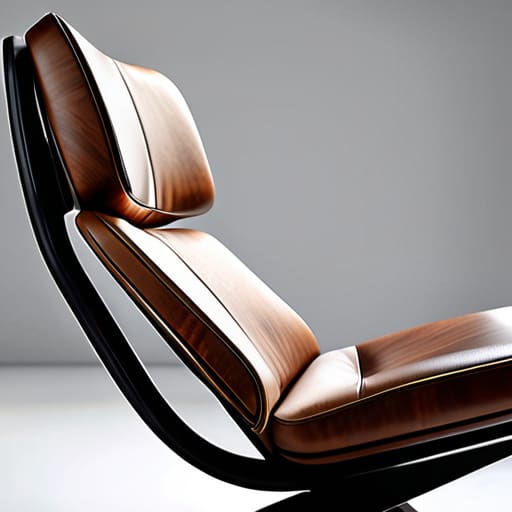
Seat Angle and Why Chairs Fail
I spent three weeks in 2004 obsessing over the lumbar sweep of a walnut lounge chair, only to realize I had built a beautiful, expensive torture device. I still have that prototype in the corner of my studio, tucked behind a stack of letterpress proofs, labeled simply: too much ego, not enough anatomy. Most design textbooks will try to sell you on complex ergonomic algorithms or high-tech mesh tensioners, but they miss the fundamental truth of how to design a chair that is comfortable. Comfort isn’t a math problem you solve with software; it’s a physical negotiation between the weight of a human body and the stubbornness of a material.
I’m not here to give you a lecture on theoretical biomechanics or show you glossy renders of “perfect” seating. Instead, I want to talk about the friction of the process—the moments where you have to scrap a beautiful line because it feels wrong to the spine. I’ll share the practical, sometimes frustrating realities of finding that sweet spot where form meets function. We aren’t looking for perfection; we are looking for the right kind of compromise.
The Pivot Point How to Design a Chair That Is Comfortable
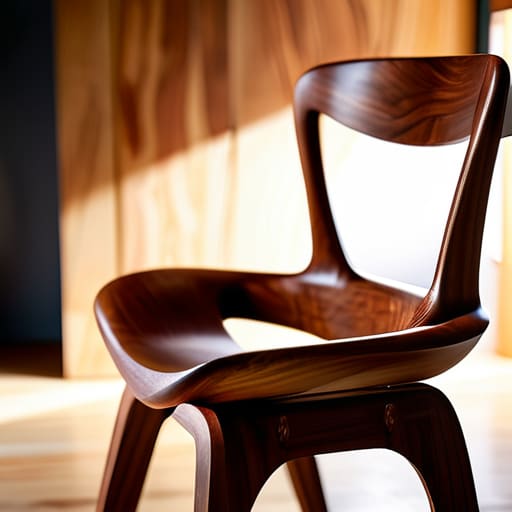
I spent three weeks obsessing over the lumbar curve of a prototype that currently sits in my “reject” bin, labeled Too Aggressive. I was trying to follow the textbook version of ergonomic principles for furniture, aiming for a rigid, mathematically perfect support. But looking at the wood, I realized that true comfort isn’t found in a formula; it’s found in the tension between a body’s need for stability and its instinct to shift. If you design a chair that holds a person too tightly, they will eventually fight it.
The real work happens when you stop looking at charts and start looking at the way weight actually moves. I found myself constantly tweaking the pressure distribution in seating during the prototyping phase, moving a millimeter here and a centimeter there. It’s a delicate dance. You have to balance the structural requirements of the frame with the soft, unpredictable reality of human anatomy. Most people think comfort is a destination you reach through a checklist, but I’ve learned it’s actually the successful management of a thousand tiny compromises.
The Error of the Perfect Curve Human Factors in Seating Design
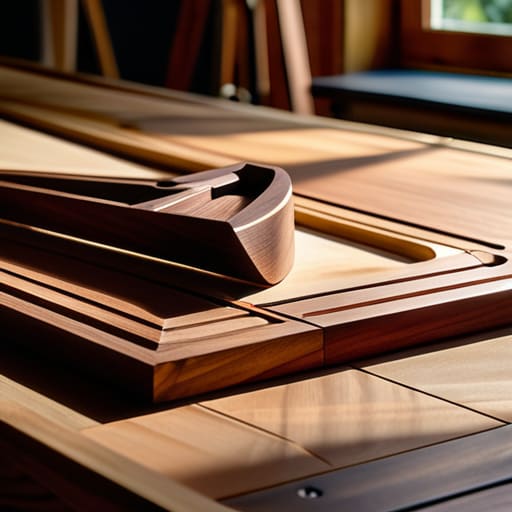
I spent three weeks obsessing over a single sweep of walnut for a lounge chair prototype—a curve that looked, on paper, like a masterpiece of fluid geometry. I had all the anthropometric data for chair design spread across my workbench, numbers that insisted on a certain loft and a specific arc. But when I finally sat in it, the math failed. The curve was too perfect; it was a mathematical ideal that ignored the messy, asymmetrical reality of a human spine. It looked beautiful, but it felt like being held by a stranger who didn’t quite know where to put their hands.
That’s the trap of designing by sight rather than by sensation. We often mistake aesthetic continuity for functional grace. I ended up breaking that beautiful line, introducing a slight, almost imperceptible interruption in the wood to better manage pressure distribution in seating. It felt like a betrayal of the silhouette at first, but the relief it provided to the lumbar region was undeniable. You realize quickly that true comfort isn’t found in a seamless shape, but in the deliberate concessions we make to accommodate a body that refuses to be a perfect variable.
Rejecting the Straight Line the Backrest Angle for Spinal Support
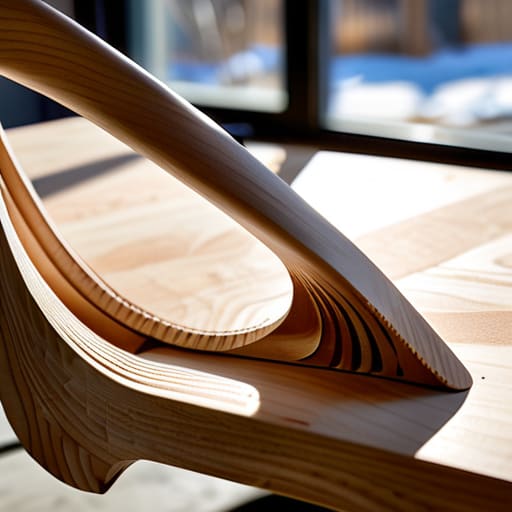
I have a stack of birch plywood scraps in the corner of my studio that tells the story of my obsession with the spine. For months, I kept trying to force a vertical alignment, thinking that a “correct” posture meant a disciplined, upright back. But the data—the dry, clinical anthropometric data for chair design—doesn’t care about my aesthetic preference for clean, vertical lines. Every time I sat in those prototypes, my lower back felt like it was being interrogated. I realized I was designing a monument to discipline rather than a tool for living.
The breakthrough wasn’t a discovery, but a concession. I had to tilt the plane. By introducing a slight, almost imperceptible rake, I finally found the right backrest angle for spinal support. It felt like a failure at first; the silhouette lost its architectural rigidity. But that subtle deviation is what allows the muscles to actually let go. It’s the difference between sitting on a chair and sitting in one. I almost threw the whole concept in the bin because it looked “lazy,” but that slight tilt is exactly where the comfort lives.
The Tension of Proportions Optimal Seat Height and Depth
I have a stack of three different seat pan prototypes in the corner of my studio, each one a failed attempt at finding the “sweet spot.” One was too deep, pushing the user’s thighs toward the edge like a ledge; another was too shallow, leaving the legs dangling in a way that felt structurally unsound for the body. When you look at the anthropometric data for chair design, the numbers suggest a range, but data doesn’t account for the way a person actually settles into a piece of wood or upholstery.
I spent three weeks adjusting the height of a single prototype, trying to balance the weight of the pelvis against the floor. If the seat is too high, the pressure on the underside of the thighs becomes unbearable; too low, and you lose that vital alignment in the hips. It’s a constant negotiation of pressure distribution in seating. I eventually settled on a height that felt slightly “wrong” on paper, but felt inevitable once you actually sat down. That’s the trick: you don’t design for the average; you design for the moment the body finally stops fighting the furniture.
The Weight of Decisions Mastering Pressure Distribution in Seating
I have a shelf in the corner of my studio dedicated to what I call “the ghosts.” These are the foam models and CNC-cut plywood scraps that failed because they were too hard, too soft, or just fundamentally wrong. Most recently, I spent three weeks wrestling with the seat pan of a new lounge chair. I had followed the standard anthropometric data for chair design to the letter, but the result felt clinical—like sitting on a medical exam table rather than a piece of furniture. It was technically correct, yet entirely uninviting.
The breakthrough didn’t come from adding more padding, but from understanding the subtle mechanics of pressure distribution in seating. I realized I had been designing for a static weight, whereas a human body is a shifting, living thing. I had to engineer a way for the material to respond to the user’s movement without losing its structural integrity. It’s a delicate, frustrating dance between support and softness. In the end, I chose a slightly firmer density for the core, wrapped in a much more forgiving layer of high-resiliency foam. It was a counter-intuitive compromise, but it’s the only reason the chair doesn’t feel like a trap.
Beyond the Average Using Anthropometric Data for Chair Design
I spent a good portion of my thirties staring at spreadsheets of percentile data, trying to reconcile the cold math of anthropometric data for chair design with the messy reality of a living, breathing person. There is a dangerous temptation in the industry to design for the “average” user, but the average person doesn’t actually exist. If you aim for the exact middle of the bell curve, you end up creating something that is mediocre for everyone and perfect for no one. I remember a prototype from five years ago—a stool that looked beautiful on paper—that I eventually relegated to my “failure” shelf because it ignored the outliers. It was mathematically sound, yet physically punishing.
To move beyond these sterile averages, you have to treat human factors in seating design as a spectrum rather than a single point. It isn’t just about hitting a target number for a seat height; it’s about understanding how much range a body actually requires to feel at ease. True comfort lives in the margins, in the ability of a piece to accommodate the person who is slightly too tall or the one who sits with a slight slouch. It’s a constant negotiation between the rigid precision of data and the fluid unpredictability of the human form.
The Final Refusal Applying Ergonomic Principles for Furniture
I have a shelf in my studio dedicated to what I call “the ghosts”—those wooden joints and failed silhouettes that never made it to the showroom. They are the physical evidence of my hesitation. When you reach the final stages of a build, the temptation is to stop once the math checks out. You’ve satisfied the anthropometric data for chair design, the numbers align, and the CAD model looks impeccable. But a chair isn’t a calculation; it’s a conversation between a body and a frame.
The real work begins when you stop looking at the data and start looking at the friction. Applying ergonomic principles for furniture isn’t about hitting a target value for a backrest angle; it’s about the subtle, almost invisible transition between support and freedom. I remember a prototype where the lumbar support was technically perfect according to every textbook, yet it felt unforgiving. I had to strip it back, undoing hours of precise joinery, just to find that sweet spot where the user forgets they are even being supported. That refusal to settle for “correct” is where the craft actually lives.
The Ghost in the Prototype
We spend so much time chasing the mathematical ideal of comfort, but the truth is that a chair isn’t comfortable because it follows a data sheet; it’s comfortable because of the three different angles I threw in the scrap bin before I finally found the one that didn’t fight the human body.
Jonathan Marin
The Ghost in the Machine
At the end of the day, designing a chair that works isn’t about chasing a mathematical ideal or blindly following a spreadsheet of anthropometric data. It’s a grueling process of elimination. We’ve looked at the tension between seat depth and thigh pressure, the stubborn necessity of the backrest angle, and the way a single degree of error can turn a masterpiece into a torture device. You realize that comfort isn’t a feature you add at the end; it is the sum of every constraint you successfully navigated. It is the quiet result of all those rejected prototypes sitting in the corner of my studio, reminding me that true ergonomics is the art of managing compromise.
I often find myself looking at my finished pieces and thinking not about what is there, but about what isn’t. The chair feels right because the mistake that would have made it feel wrong was caught, corrected, or discarded entirely. Design isn’t about reaching a state of perfection where no more changes are possible; it’s about reaching that moment where the decisions feel inevitable. So, when you sit down, don’t look for the perfection of the line. Look for the quiet stability of a well-made choice. That is where the real craft lives.
