The Bench Records the Work
I have a shelf in the back of my studio, tucked behind a stack of letterpress proofs, filled with what most people would call trash. It’s a graveyard of off-cuts, failed joints, and sanded-down timber that didn’t quite make the cut. To a casual observer, it’s just waste, but to me, those scraps are the only honest way to explain why a bench is personal. Most people think the “personality” of a piece comes from some grand, sweeping artistic vision or a high price tag, but that’s nonsense. The truth is much more granular; the soul of a piece is found in the tension between what was intended and what was actually possible once the saw met the wood.
I’m not here to sell you on the romanticism of “artisan craftsmanship” or give you a lecture on the spiritual essence of furniture. Instead, I want to talk about the actual work—the grit, the mistakes, and the specific, narrow constraints that force a design to become something real. I’ll be sharing the hard-won lessons from twenty years of production lines and studio failures to show you how a simple object becomes a reflection of the person who sat in it, and more importantly, the person who dared to build it.
The Near Miss at the Workbench Why a Bench Is Personal
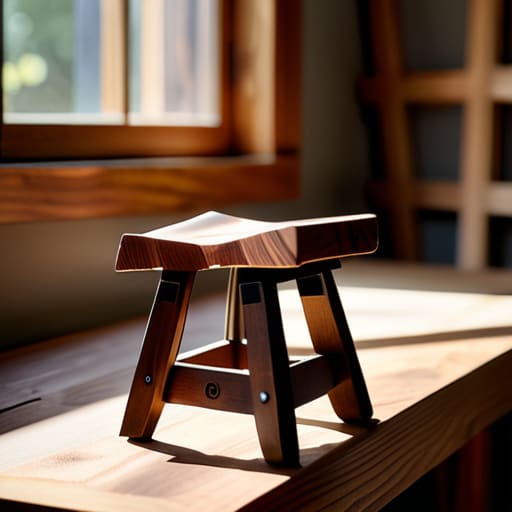
I have a shelf in the back of my studio, tucked behind the calipers and the scrap walnut, where the “failures” live. They aren’t failures, really—just ghosts of what might have been. There is a small stool there, finished in a harsh, matte lacquer that I eventually rejected because it felt dead to the touch. Looking at it now, I realize that the stool I actually released, the one with the hand-rubbed oil finish, only exists because I couldn’t live with that sterility. That tension, that near-miss between two directions, is what gives a piece its weight.
When we talk about the sentimental value of furniture, we aren’t just talking about the price tag or the brand. We are talking about the invisible history of the choices made during its birth. A bench becomes more than just a place to sit when it carries the marks of those tiny, decisive pivots. It’s in the way the grain responds to a specific bevel, or how the patina and aging wood will eventually record the lives of those who use it. We don’t just sit on objects; we inhabit the decisions that brought them into being.
The Ghost of the Grain Memory and Physical Objects
There is a specific kind of haunting that happens in a workshop, one that has nothing to do with ghosts and everything to do with the way we inhabit our spaces. When I look at a piece of timber, I don’t just see a structural component; I see the potential for a collision between a person and a surface. We often talk about the sentimental value of furniture as if it’s something added later, like a varnish, but I’ve always believed it is baked into the very fibers of the wood. A bench isn’t just a place to sit; it is a physical record of every body that has rested there, every heavy coat dropped in a hurry, and every quiet moment of reprieve.
I find myself thinking about the patina and aging wood as a form of slow-motion biography. A scratch near the footrest or a slight darkening of the grain where hands have gripped the edge isn’t damage—it’s evidence. These marks represent the intersection of memory and physical objects, turning a mass-produced concept into something that feels unrepeatable. It is the accumulation of these tiny, accidental histories that transforms a mere object into something that feels like it has always belonged.
Choosing the Wrong Cut Custom Woodworking Meaning
I have a shelf in the back of my studio dedicated to what I call “the failures.” Most people see a pile of scrap, but I see a map of hesitation. Last Tuesday, I found myself staring at a slab of cherry that felt almost too perfect, too eager to please. I spent twenty minutes debating whether to follow the natural sweep of the grain or to force a more geometric, disciplined line. In the end, I chose the sweep. It felt like a gamble, a moment where I surrendered my control to the wood itself.
This is where the true custom woodworking meaning resides—not in the perfection of the final joinery, but in the tension of the choice. When you build something with this kind of intention, you aren’t just assembling components; you are embedding a series of resolved conflicts into the material. Over time, as the surface develops a deep patina and aging wood takes on the character of the room, those decisions become part of the object’s history. You aren’t just sitting on a seat; you are sitting on the result of a thousand tiny, difficult negotiations.
Tracing the Scars Patina and Aging Wood
I have a drawer in my studio filled with offcuts that didn’t make the cut, but I find myself looking at the finished pieces differently as the years pass. There is a specific kind of honesty in how a surface reacts to being lived in. When I design a bench, I’m not just thinking about the initial joinery; I’m thinking about the inevitable dent from a dropped set of keys or the slight smoothing of the edge where a child’s hand rests every afternoon. This process of patina and aging wood is where the object finally stops being a product of my studio and starts becoming a part of a household.
We often mistake perfection for quality, but in my experience, a pristine surface is a silent one. It lacks a history. The true sentimental value of furniture isn’t found in the day it leaves the workshop, but in the way the finish deepens and shifts through decades of use. A scratch isn’t a failure of the design; it’s a record of a moment. It’s the physical manifestation of a life being lived around the object, turning a piece of furniture into a quiet witness.
The Weight of a Life Sentimental Value of Furniture
We tend to talk about furniture in terms of ergonomics or load-bearing capacity, but we rarely discuss the gravity of what a piece holds once it enters a home. A bench isn’t just a surface for sitting; it becomes a silent witness. I have a prototype in my studio—a small, tapered stool—that I nearly scrapped because the joinery felt too aggressive. Now, looking at it, I realize that tension is exactly what gives it its character. This is the crux of the sentimental value of furniture: it isn’t about the perfection of the line, but the way the object absorbs the rhythm of a household.
When we invest in something built with intention, we aren’t just buying wood and glue; we are anchoring ourselves to a specific moment in time. There is a profound emotional connection to home decor that occurs when a piece survives the chaos of a growing family or the quietude of a changing season. It moves from being a mere commodity to becoming a vessel for memory. We don’t just sit on these objects; we lean into them, leaving behind a history that no factory-made piece could ever replicate.
Beyond the Joinery Emotional Connection to Home Decor
We often mistake the technical perfection of a joint for the success of a piece, but the real work happens in the space between the wood and the person sitting on it. I have a drawer in my studio filled with failed mortise-and-tenon cuts—little wooden corpses that never quite made the grade. Yet, even a “perfect” piece can feel sterile if it lacks an emotional connection to home decor. A bench shouldn’t just occupy floor space; it should act as a quiet participant in the room’s history.
It’s about how a seat becomes a witness. You don’t just buy a piece of furniture; you invite a vessel for memory and physical objects into your life. When I design something intended to be heirloom quality seating, I’m not just thinking about load-bearing capacities or joinery strength. I’m thinking about the way a family might gather around it, or how the surface will eventually hold the subtle, lived-in marks of a decade of use. The true value isn’t in the blueprint, but in how the object settles into the rhythm of a home.
The Decisive Edge Building True Heirloom Quality Seating
There is a seductive lie in the furniture industry that “quality” is simply a matter of expensive hardware or high-density fiberboard. But when I sit down to design heirloom quality seating, I’m not thinking about what looks good under a showroom spotlight; I’m thinking about the tension in a mortise and tenon joint fifty years from now. True longevity isn’t found in the absence of wear, but in the way a piece is engineered to endure it. I often find myself staring at a joint, wondering if the extra millimeter of glue or the specific choice of a harder species will be the difference between a piece that survives a move and one that falls apart in a garage.
To me, the custom woodworking meaning lies in that foresight. It is the quiet, often tedious discipline of choosing a construction method that accounts for the inevitable movement of timber. We don’t build these things to be static; we build them to live alongside us. If a bench is going to carry the weight of a family’s history, it needs a structural integrity that respects the passage of time, ensuring that the physical object remains a constant even as the world around it shifts.
The Anatomy of a Near Miss
We like to think a piece of furniture is defined by the wood we chose or the joinery we perfected, but I’ve learned that the soul of a bench actually lives in the tension of the decisions we abandoned—the grain pattern I rejected because it felt too loud, or the leg taper that nearly went too aggressive. A bench becomes personal not because it is perfect, but because it is the physical residue of a thousand tiny, difficult choices that almost went another way.
Jonathan Marin
The Final Cut
When I look back at the scrap pile in the corner of my studio—those rejected prototypes I can’t bring myself to toss—I realize that a bench is never just a collection of joinery and timber. It is a physical record of every hesitation, every grain pattern that fought back, and every near-miss decision that defined its final form. From the way the patina will eventually map the movements of a family to the specific tension of a mortise and tenon, these objects absorb our intent. We don’t just sit on furniture; we inhabit the decisions made in the quiet hours of its creation, feeling the weight of the maker’s resolve in every smoothed edge and intentional scar.
Ultimately, the objects we surround ourselves with should be more than just functional placeholders in a room. They should be witnesses. A well-made bench doesn’t just occupy space; it holds it, waiting to become a part of your own history through the simple, repetitive act of being used. Don’t settle for the sterile perfection of something mass-produced and soul-less. Instead, seek out the pieces that carry the ghost of a choice—the ones that feel like they were fought for. Because in the end, the most meaningful things in our homes are those that remind us that design is a series of beautiful risks.
