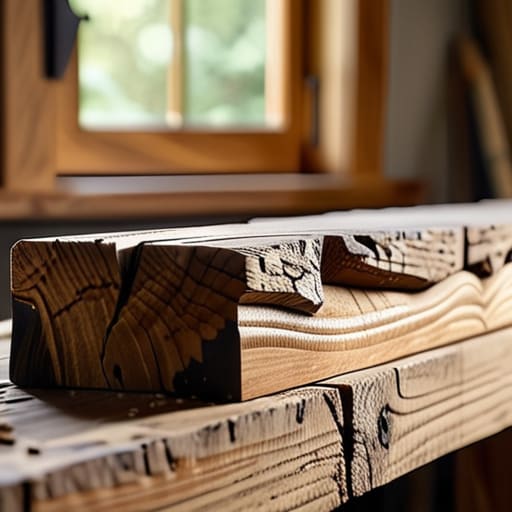
Working With Reclaimed Timber
I spent three hours last Tuesday staring at a stack of grey, weathered oak in a salvage yard, listening to a vendor try to sell me “curated architectural salvage” at a markup that would make a luxury boutique blush. It’s the great lie of our industry: that there is some secret, high-end gatekeeper to finding character. Most people think learning how to source reclaimed material requires a membership to an exclusive club or a massive budget for “reclaimed” labels that are often just old lumber with a marketing budget. The truth is much grittier, much more unpolished, and frankly, far more rewarding if you stop looking for perfection.
I’m not here to give you a polished checklist or a list of overpriced suppliers. Instead, I want to talk about the actual work—the dirt under your fingernails and the intuition you develop when you realize a piece of timber is worth saving despite its flaws. I’ll share the practical, unvarnished reality of finding the good stuff, from local demolition sites to the back corners of industrial warehouses. We aren’t looking for a finished story; we are looking for the raw potential in the pieces that everyone else decided to throw away.
The Elegance of the Near Miss How to Source Reclaimed Material
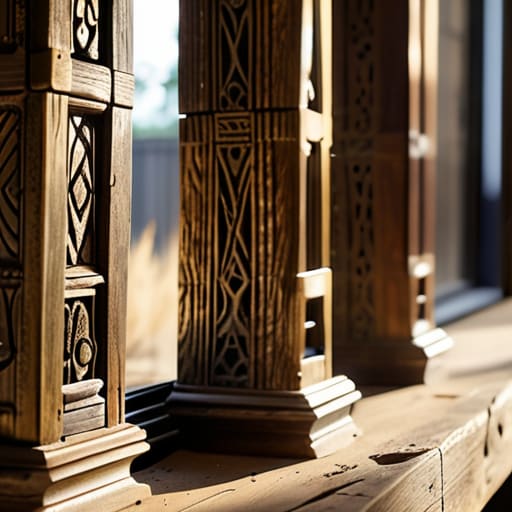
I’ve spent most of my afternoons in the back of dusty architectural salvage yards, surrounded by the ghosts of former interiors. There is a specific kind of tension in these spaces; you aren’t just looking for raw stock, you are looking for a history that hasn’t been completely scrubbed away. Most people think finding good material is about a checklist, but it’s actually about intuition. You have to learn the difference between deconstruction vs demolition—one is a surgical extraction of character, while the other is just a violent disposal of potential.
When I’m out there, I’m rarely looking for the pristine plank. I’m looking for the piece that was almost tossed aside because of a knot, a deep grain irregularity, or a slight warp. That is where the real story lives. A successful reclaimed lumber quality assessment isn’t just about checking for moisture or straightness; it’s about seeing if the material’s “failures” can be integrated into the design. I often find that the most successful pieces are those where the maker embraced the imperfection rather than trying to sand it into submission.
Architectural Salvage Yards and the Art of the Second Chance
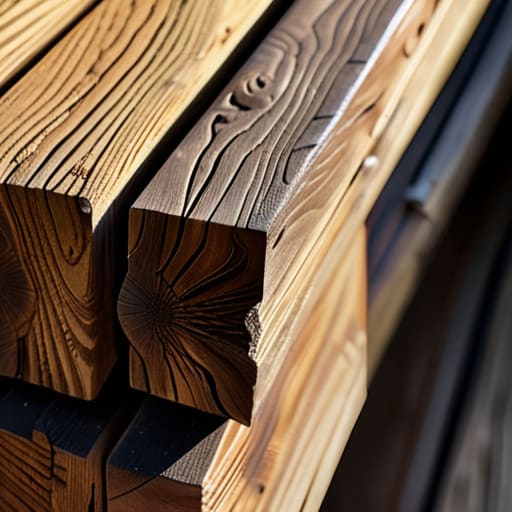
Walking into an architectural salvage yard feels less like shopping and more like an archaeological dig. There is a specific, heavy scent to these places—a mixture of old dust, linseed oil, and the slow decay of things that were once built to last centuries. Unlike the sterile aisles of a modern hardware store, these yards demand a certain level of intuition. You aren’t just looking for dimensions; you are looking for the history of a joint or the way a grain has been compressed by a hundred years of weight. This is where the real work of repurposed wood sourcing begins, moving past the catalog and into the grit.
The distinction between deconstruction vs demolition is vital here. When a building is carefully deconstructed, the materials retain a dignity that survives the transition. I’ve spent hours in these yards performing a mental reclaimed lumber quality assessment, turning beams over in my hands to check for rot or structural fatigue that the eye might miss at first glance. You have to be willing to reject a beautiful piece if the integrity isn’t there. In my studio, a piece that looks perfect but fails the stress test is just another labeled prototype on the shelf.
Deconstruction vs Demolition Choosing the Path of Character
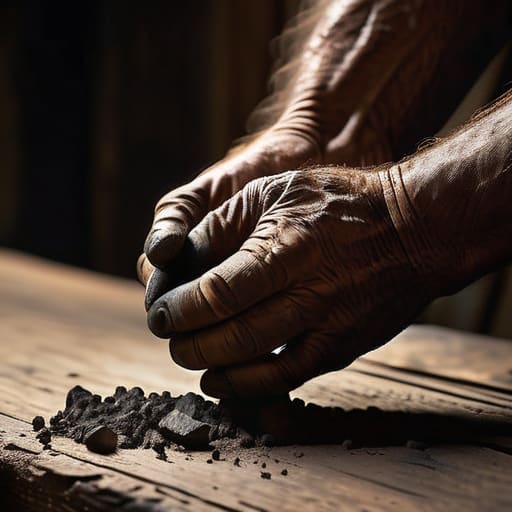
There is a violent distinction between tearing something down and carefully taking it apart. When I look at a site slated for demolition, I don’t see progress; I see a library being burned. Demolition is a blunt instrument—it treats history like rubble, pulverizing the very soul of the structure into a heap of mixed waste. But deconstruction? That is a surgical process. It requires a certain patience, a willingness to sit with a nail or a joint until you understand how it was meant to hold.
In the debate of deconstruction vs demolition, the choice dictates everything about your eventual reclaimed lumber quality assessment. If you pull a beam with a wrecking ball, you’ve compromised its integrity for a future project. If you unscrew the fasteners and respect the grain, you’ve preserved a story. This is where the real work of sourcing happens—not in the transaction, but in the stewardship of the material. Choosing the slower path means you aren’t just hunting for sustainable building materials; you are ensuring that the character of the original craft survives the transition into something new.
The Risk of the Wrong Choice Reclaimed Lumber Quality Assessment
There is a specific kind of heartbreak that comes from a beautiful piece of timber turning out to be structurally hollow. I have a shelf in the back of my studio—the one dedicated to the “almosts”—filled with beams that looked like character-rich gold but were actually riddled with dry rot or ancient, unseen boreholes. When you are engaged in reclaimed lumber quality assessment, you aren’t just looking for aesthetic charm; you are looking for the integrity that survived the first century of the wood’s life. You have to learn to trust your senses over your eyes.
A piece might have a stunning patina that screams “history,” but if the moisture content is erratic or the grain is compromised by decades of improper storage, it becomes a liability rather than an asset. I’ve learned to carry a moisture meter like a talisman. It’s easy to get seduced by the narrative of the wood, but true craftsmanship requires a clinical eye to separate a storied beam from a piece of expensive firewood. If you aren’t careful, your pursuit of sustainable building materials can quickly turn into a lesson in wasted labor.
Finding Soul in Repurposed Wood Sourcing Decisions
There is a specific kind of tension that occurs when you are standing in a dusty warehouse, staring at a stack of old joists, and trying to decide if a knot is a flaw or a feature. Most people see a defect; I see a record of a moment where the wood decided to be something else entirely. When I’m engaged in repurposed wood sourcing, I’m not just looking for structural integrity—though that is the baseline—I am looking for the ghost of the previous life. I want the board that was notched for a peg or the plank that bears the shallow scar of a misplaced hammer blow.
It is easy to fall into the trap of seeking perfection, but perfection is often quite boring. In my studio, I find that the most compelling pieces are those that forced me to pivot. You might find yourself debating between a clean, milled edge and a rough-hewn surface that demands a different kind of joinery. This is where the real design work begins. It’s not just about picking up sustainable building materials; it’s about the quiet, difficult choice to honor the irregularity rather than sanding it away into nothingness.
Sustainable Building Materials Where Scarcity Meets Intentionality
There is a specific kind of tension that arises when you stop looking for what is easy and start looking for what is right. In my studio, I often find that the most compelling pieces aren’t the ones that fit a perfect specification, but the ones that force you to adapt your design to their existing reality. This is the core of working with sustainable building materials; it isn’t just about checking an eco-friendly box, it’s about a fundamental shift in how we approach scarcity. When you move away from the infinite availability of new, virgin timber, you begin to treat every board as a finite resource with its own history.
This scarcity demands a level of intentionality that modern supply chains have largely stripped away. You aren’t just buying stock; you are negotiating with the past. Whether you are hunting through specialized suppliers for eco-friendly construction supplies or scouring local sites, the process requires you to weigh the material’s integrity against your original vision. It is a constant negotiation between what the design demands and what the material allows, and frankly, that’s where the real work begins.
Curating Eco Friendly Construction Supplies With Purposeful Friction
There is a specific kind of exhaustion that comes with trying to source everything “perfectly.” In the design world, we often talk about sustainability as if it were a frictionless transaction—a clean line on a spreadsheet or a certified stamp on a box of eco-friendly construction supplies. But real craft is messy. I’ve spent many afternoons staring at a pile of uneven, grey-weathered planks, knowing they would take twice as long to mill as a fresh shipment from a lumber yard, yet knowing they were the only things worth using.
I call this “purposeful friction.” It is the resistance you encounter when you refuse the easy path of mass-produced uniformity. When you lean into the labor of repurposed wood sourcing, you aren’t just buying a product; you are negotiating with the history of the material. It requires a certain stubbornness to choose the piece that demands more of your time. However, that friction is exactly where the character lives. If the process were easy, the result would be hollow.
The Cost of Convenience
If you’re looking for material that’s already been sanded, planed, and stripped of its history, you aren’t sourcing; you’re just shopping. Real reclaimed work requires you to embrace the friction—to find the beauty in the piece that almost didn’t make the cut because it was too stubborn, too warped, or too difficult to love.
Jonathan Marin
The Weight of the Final Decision
Sourcing reclaimed material isn’t a linear procurement process; it is a series of negotiations with history. We’ve looked at the grit required to navigate salvage yards, the ethical distinction between careful deconstruction and mindless demolition, and the technical vigilance needed to ensure a piece of timber isn’t just beautiful, but structurally sound. It requires a willingness to embrace purposeful friction—the idea that the difficulty of finding the right material is exactly what imbues the final project with its value. You aren’t just buying supplies; you are curating a collection of rescued intentions.
Ultimately, I find that the most rewarding pieces are never the ones that went according to plan. They are the ones where you stood over a scarred slab of oak, debated the merits of sanding it smooth versus leaving the nail holes exposed, and chose the path of most resistance. Design is often taught as a pursuit of perfection, but in the world of reclaimed craft, perfection is a lie. The real magic lies in the tension between the material’s past and your vision for its future. Don’t look for the easiest route; look for the material that makes you hesitate, because that is where the real design begins.
