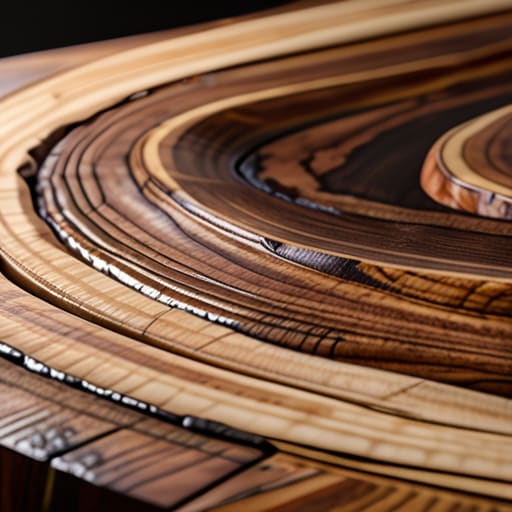
Using a Knot on Purpose
I spent twenty minutes yesterday staring at a slab of walnut that, by every standard rule of industrial production, should have been tossed into the scrap bin. There was a knot near the edge that looked less like a feature and more like a structural liability. Most design textbooks would tell you to aim for uniformity, to seek out the flawless, predictable grain that makes manufacturing easy and predictable. But that’s where the soul dies. I’ve spent two decades learning that how I decide to use a board with character isn’t about following a checklist of “imperfections”; it’s about that split second of tension where you decide if a flaw is a mistake or a destination.
I’m not here to give you a lecture on wood species or a guide to expensive grading scales. Instead, I want to pull back the curtain on the actual, messy process of decision-making. I’ll share the internal tug-of-war that happens between my designer brain and my maker’s hands, showing you how to look past the surface level to see if a piece of wood is actually worth the risk. This isn’t about chasing “rustic” trends; it’s about the calculated gamble of letting a piece of material dictate the design.
Understanding How I Decide to Use a Board With Character
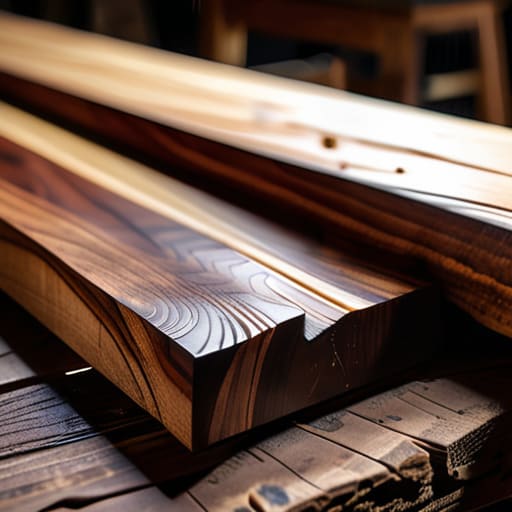
For me, the process isn’t about finding perfection; it’s about the tension between a flaw and a feature. I often find myself caught in that hesitation, staring at a piece of walnut or oak, trying to determine if a crack is a structural failure or a narrative. There is a fine line when distinguishing defects from character. A split that follows the grain might tell the story of the tree’s life, but a check that threatens the integrity of a mortise-and-tenon joint is just a mistake. I don’t look for “flawless” anymore; I look for intentionality.
When I’m selecting timber for woodworking, I ask myself if the mark adds weight to the design or just noise. Sometimes, a heavy knot disrupts the flow of a tabletop, making the eye jump uncomfortably. Other times, that same knot becomes the anchor for the entire composition. It’s a constant negotiation with the material. I’ve learned that the most successful pieces aren’t the ones that ignore natural wood imperfections, but the ones that lean into them until the imperfection feels like it was meant to be there all along.
Key Things to Know
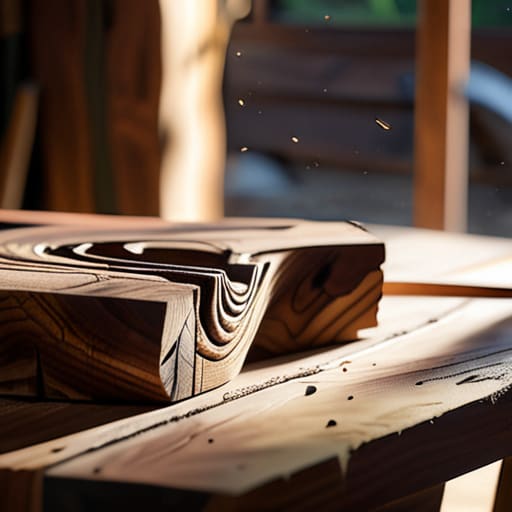
The first thing I’ve learned after two decades at a drafting table is the necessity of distinguishing defects from character. A crack that follows the grain might be a story; a split that compromises structural integrity is just a mistake. I tend to look for those natural wood imperfections that suggest a history without suggesting a failure. It’s a fine line. If I’m selecting timber for woodworking, I’m not just looking at the surface; I’m looking for where the wood wants to move. A knot isn’t just a visual break; it’s a tension point that dictates how I’ll have to join the next piece.
I also find myself constantly negotiating with the wood’s history. When I’m working with reclaimed wood aesthetics, the goal isn’t to hide the scars, but to ensure they don’t hijack the entire design. You have to respect the wood grain patterns and texture enough to let them lead, but you also have to maintain enough control so the piece doesn’t look accidental. It’s about finding that specific tension where the material feels intentional rather than chaotic.
Practical Tips and Steps
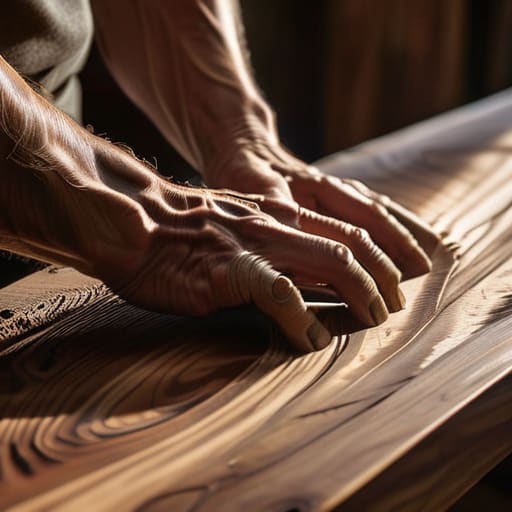
When I’m standing at the workbench, I don’t start with a blueprint; I start by looking at the wood. My first step is always the tactile assessment—running my hands over the surface to feel the difference between a surface flaw and a structural failure. I’ve learned that distinguishing defects from character is less about visual inspection and more about understanding the integrity of the fiber. If a knot is loose or a crack threatens to travel through the entire width, it’s a defect. If it’s just a disruption in the flow, it’s a story.
Once I’ve determined the board is sound, I spend time mapping out the wood grain patterns and texture against the intended silhouette of the piece. I often find myself sketching directly onto the timber with a pencil, playing with how a specific swirl might interact with a joint or a leg. It’s a slow process of elimination. I look for those natural wood imperfections that feel intentional rather than accidental, ensuring that the final object doesn’t just look “rustic,” but feels like it was meant to be exactly this way.
Common Mistakes to Avoid
The most frequent error I see—and one I’ve certainly fallen into during my early years in the studio—is the tendency to let the material dictate the design, rather than the other way around. There is a fine line between embracing natural wood imperfections and simply being lazy with a piece of lumber. If you find yourself choosing a board solely because it’s “difficult” or “rugged” without a clear structural or visual purpose, you aren’t designing; you’re just reacting. I once spent three weeks on a side table that felt chaotic because I tried to force every knot and streak to be a focal point. It lacked a quiet place for the eye to rest.
The second trap is failing at the crucial task of distinguishing defects from character. A knot that adds depth is character; a crack that compromises the integrity of a mortise-and-tenon joint is a defect. I have a shelf in my workshop filled with prototypes where I thought I was being “authentic” with reclaimed wood aesthetics, only to realize later that the wood was fighting my tools rather than working with them. You have to know when a flaw is a story and when it is simply a failure of the material.
Final Thoughts
At the end of the day, my workshop is a graveyard of “perfect” decisions. I have a shelf in the corner filled with slabs I deemed too flawed, too erratic, or too loud, each tagged with a note about why they failed my initial vision. But looking back at the pieces that actually found a home, I realize that the most successful ones were the ones that forced me to negotiate with the material. It isn’t about forcing a piece of timber to behave; it’s about the tension between my intent and the natural wood imperfections that refuse to be ignored.
Ultimately, the goal isn’t to achieve a sterile perfection, but to find that sweet spot where distinguishing defects from character becomes second nature. If a board feels like a struggle, it usually is. But if it feels like a conversation, you’ve found something worth keeping. I’ve learned that the most resonant furniture comes from those moments of hesitation—where I almost chose the clean, predictable route, but decided to let the grain lead the way instead.
The Weight of the Alternative
I don’t look for beauty in a knot or a streak of mineral staining; I look for the moment where the wood tries to argue with my design. If a board’s character is so loud that it drowns out the intended form, I reject it. But if it creates a tension—that split second where I almost chose the clean, safe path instead—that’s usually when I know I’ve found the soul of the piece.
Jonathan Marin
The Final Decision
Looking back at the process, it isn’t about following a rigid checklist or mastering a specific technical skill. It is about the tension between the flaw and the form. Whether you are navigating the visual noise of a knot, managing the structural integrity of a live edge, or simply deciding if a grain pattern is too loud for the intended silhouette, the goal is to remain intentional. You have to weigh the risk of the defect against the reward of the character, ensuring that the “imperfection” serves the design rather than distracting from it. If you find yourself constantly second-guessing, remember that the most successful pieces often emerge from the hardest compromises.
My studio is full of those “almost” pieces—the ones where I played it too safe and ended up with something sterile, or where I let the material run too wild and lost the design entirely. I’ve learned that the most soulful work happens in that narrow, uncomfortable middle ground. Don’t be afraid to lean into the very thing that makes you hesitate. After all, a piece of furniture that is perfectly flawless is often a piece that has nothing to say. The real magic lies in the decisions that nearly went the other way.
