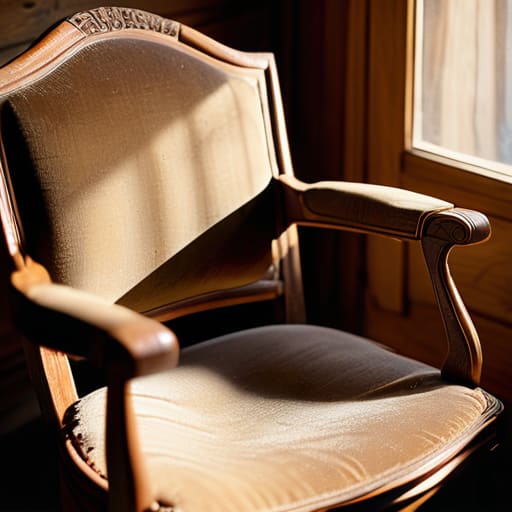
A Chair That Belonged to Someone
I was clearing out a corner of the studio last Tuesday—one of those corners where the “failures” live—when I bumped into a prototype for a walnut chair I designed in ’04. It was a mess of misguided joinery and over-ambitious curves, the kind of mistake you only make when you think you’re smarter than the wood. Looking at it, I realized that most people view design as a linear progression of “better” versions, but they completely miss the messy truth of what inheritance does to an object. It isn’t just about passing down a shape or a function; it’s about the unintended baggage of every previous decision that didn’t quite work, lingering in the grain like a bad habit.
I’m not here to give you a lecture on aesthetic lineage or the romanticized history of craftsmanship. Instead, I want to talk about the actual, heavy lifting of design: how the ghosts of your previous iterations dictate your current constraints. I’ll be sharing what I’ve learned from twenty years of making—and breaking—things, focusing on the hard-won friction between what we intend to build and what the history of our materials actually allows.
The Ghost in the Prototype Choices That Almost Werent
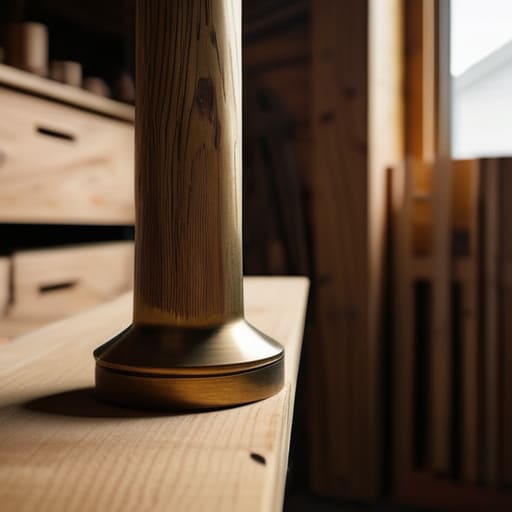
I have a shelf in the back of my studio, tucked behind a stack of birch plywood, dedicated to the failures. They are my most honest teachers. There is a chair leg that was too aggressive, a joint that felt dishonest, and a series of brass fittings that I ultimately scrapped because they lacked a certain quietude. I keep them because they represent the alternate timelines of my work. When I look at a finished piece, I don’t just see the wood and the joinery; I see the shadow of the version that almost existed.
This tension is what gives an object its soul. When we talk about the historical significance of heirlooms, we often focus on the unbroken line of ownership, but I find more truth in the friction of the design process itself. An object carries its history not just through who held it, but through the very decisions that allowed it to survive. There is a specific kind of gravity in a piece that survived its own evolution—a sense that it has earned its place by rejecting the easier path.
The Patina and Aging Process Beauty in the Near Miss
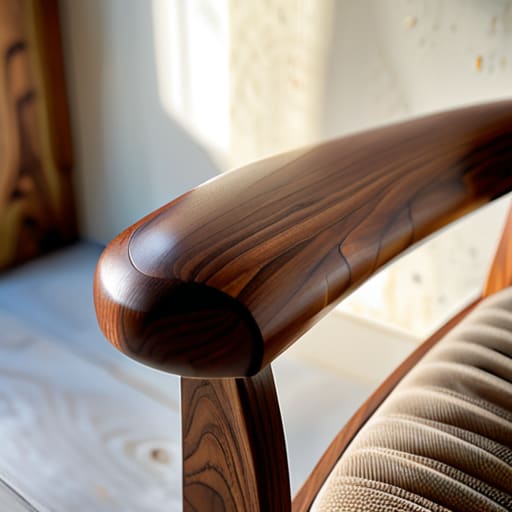
I have a drawer in my studio filled with failed joinery—walnut scraps where the tenon was just a hair too proud, or oak that split under too much pressure. Most people see these as mistakes, but I see them as the tension points where the object’s future was decided. This same tension plays out over decades in the patina and aging process of a well-made chair. A piece of furniture doesn’t just sit in a room; it absorbs the friction of living. It takes the oils from hands, the sunlight from a south-facing window, and the subtle shifts in humidity.
There is a specific kind of grace in these physical changes through generations. When I look at a mid-century sideboard that has been passed down, I’m not just looking at wood and veneer; I’m looking at a map of usage. The slight rounding of a corner or the deepening of a grain tells a story of a thousand different lives. We often mistake perfection for quality, but true value lies in how an object survives its own history, wearing its scars like a badge of honor rather than a flaw.
What Inheritance Does to an Object the Weight of Survival
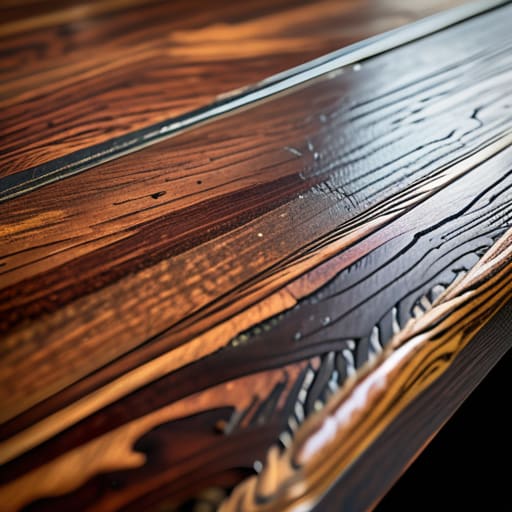
When I look at a chair that has survived three decades in a family, I don’t just see a seat; I see a survivor of a thousand micro-decisions. Inheritance isn’t a passive hand-off; it is an active process of filtration. An object only makes it to the next generation because it possessed the structural integrity to withstand the friction of living. This is the weight of survival. Every scratch on a mahogany tabletop or a slight wobble in a spindle is a record of physical changes through generations, a ledger of where the object stood its ground against the chaos of daily use.
We often mistake the sentimental value of inherited items for mere nostalgia, but it’s deeper than that. It is about the cultural legacy of artifacts—the way an object carries the silent momentum of the hands that held it before us. To inherit something is to accept the responsibility of its continued existence. You aren’t just keeping a thing; you are maintaining a lineage of choices that managed to endure while others were discarded.
Physical Changes Through Generations the Scars of Staying
I have a drawer in my studio filled with failed joints and warped plywood—the casualties of a design that didn’t quite hold. But when I look at a piece of furniture that has actually survived, I see a different kind of geometry. The physical changes through generations aren’t just about wear; they are about the way an object adapts to the friction of living. A chair doesn’t just get smoother where hands touch the armrests; it recalibrates itself to the specific weight and posture of the people who refused to let it be discarded.
There is a specific kind of honesty in these marks. We often talk about the sentimental value of inherited items as if it’s some nebulous, spiritual thing, but for me, it’s much more tactile. It’s the way a mahogany tabletop bears the faint, circular ghost of a tea cup from 1954, or how a brass handle has been polished thin by decades of nervous thumbs. These aren’t flaws to be repaired; they are the physical evidence of an object successfully navigating the chaos of time. To trace an object’s history is to realize that its beauty lies in its ability to endure the very things that should have broken it.
Tracing Object History Where the Alternate Path Diverged
When I look at a piece of furniture that has survived three owners, I don’t just see the wood; I see a map of avoided catastrophes. Tracing object history is rarely about a straight line from maker to user. Instead, it is a series of jagged deviations. I often think about the chair in my studio—the one with the slightly off-kilter dowel. It survived because a specific structural choice, one that felt like a mistake at the time, provided the exact flexibility needed to endure a move across the country fifty years later.
We often mistake the sentimental value of inherited items for a simple emotional connection, but it is actually a recognition of survival. We are drawn to the objects that refused to break when the “correct” design path might have failed. These items carry a cultural legacy of artifacts that isn’t found in museums, but in the lived-in reality of our homes. To understand an object, you have to look for the moment the alternate path diverged—the moment where a flaw became a feature of endurance.
The Sentimental Value of Inherited Items Salvaging the Intended
There is a specific kind of ache that comes with holding something that was never meant to last this long. In my studio, I see the same thing when I look at my graveyard of rejected prototypes; they are static, frozen in their failure. But an heirloom is different. It is a living thing that has survived through sheer, stubborn utility. The sentimental value of inherited items rarely stems from their original intended perfection, but rather from the way they have been modified by the hands that held them.
We tend to romanticize the pristine, yet the true cultural legacy of artifacts is found in the deviations. A dining table isn’t just a surface; it is a map of every spilled glass of wine and every heavy elbow during a late-night argument. When we talk about the history of an object, we aren’t just talking about its manufacture date. We are talking about the way it has been reshaped by necessity. We aren’t just preserving the item; we are salvaging the intended purpose of an object that has long since outgrown its original blueprint.
Cultural Legacy of Artifacts Preserving the Final Decision
When we talk about the cultural legacy of artifacts, we often get lost in the grand sweep of history, treating objects like mere markers of an era. But for me, the true weight lies in how a single, solidified choice survives the chaos of time. A chair isn’t just a seat; it is a frozen moment of intent. When an object moves from one household to the next, it carries more than just its form; it carries the residue of a specific era’s logic. We aren’t just passing down wood and joinery; we are passing down the very idea of what was considered “correct” or “beautiful” at a specific point in time.
This is where the historical significance of heirlooms becomes something much more intimate. We tend to view these items as static, but they are actually living records of survival. They represent the one path that was chosen over a thousand others. By preserving these pieces, we aren’t just keeping things; we are guarding the finality of a decision. We are ensuring that the specific aesthetic tension that made the object worth making doesn’t dissolve into the white noise of the modern, disposable world.
The Residue of Choice
We tend to think of inheritance as a hand-off of form, but it’s actually a hand-off of tension; an object carries the weight of every version of itself that didn’t survive the making, a silent record of the decisions that held firm while the alternatives fell away.
Jonathan Marin
The Final Iteration
When we look at an inherited object, we aren’t just looking at a tool or a piece of decor; we are looking at a survivor of a thousand tiny, silent battles. We see the scars of its physical journey and the weight of the cultural legacy it carries, but we often miss the most vital part: the lineage of decisions that allowed it to exist in the first place. From the prototype that failed to the material that nearly wasn’t chosen, an object is a culmination of narrowly avoided failures. Inheritance is the process of carrying forward not just the physical matter, but the resolved tension of every choice that almost went the other way.
In my studio, I keep my rejected models because they remind me that perfection is rarely a straight line; it is a series of corrections. As you hold something passed down to you, try to see beyond the surface patina and recognize the ghost of the alternate path. An object becomes truly meaningful when we realize it isn’t just a static thing, but a living record of survival. We don’t just inherit things; we inherit the courage of the final decision, keeping alive the specific, stubborn vision that refused to be anything else.
