
Planning for February
I spent most of yesterday afternoon in the studio, staring at a stack of rejected chair joints that I still haven’t found the heart to throw away. There is a specific kind of exhaustion that comes from realizing your calendar is full of things you never actually wanted to do. Most “lifestyle” gurus will tell you that finding peace requires a complete overhaul of your lifestyle or a retreat to some expensive, minimalist sanctuary, but they miss the point entirely. Learning how to plan for a quiet month isn’t about adding more “wellness” activities to your schedule; it’s about the discipline of subtraction.
I’m not here to sell you on a new way of living or a curated aesthetic of empty white rooms. Instead, I want to talk about the architecture of a schedule—how to build in the gaps where actual thought can happen. I’ll be sharing what I’ve learned from twenty years of managing production deadlines and my own chaotic whims, focusing on the intentional omissions that make space for real work. This isn’t a guide to doing nothing; it is a strategy for deciding what is actually worth your attention.
The Beautiful Near Miss How to Plan for a Quiet Month

I used to approach my slow months with a frantic, misguided energy, trying to manufacture momentum where none existed. I’d take on mediocre commissions just to keep the lights on, a decision I now look back on with a certain degree of professional regret. Now, I view these lulls through a different lens: as a structural necessity. Instead of fighting the ebb, I focus on optimizing operational expenses and refining the small, granular details of my studio that usually get buried under the rush of production.
The secret lies in recognizing that a quiet period isn’t a failure of momentum, but a window for recalibration. I spend this time looking at my ledgers and my prototypes with equal scrutiny. It’s an essential part of maintaining liquidity during slow periods—not just in terms of cash flow, but in terms of mental bandwidth. By preparing for the dip before it arrives, I avoid the desperate, reactive choices that often compromise the integrity of my work. I’ve learned that the most stable designs, much like a stable business, are built on the strength of what you choose not to do.
Predicting Seasonal Sales Trends Without Losing Your Soul

There is a specific kind of dread that sets in when the calendar turns toward the leaner months. In my early years, I used to treat the dip in orders like a personal failure, a sign that my designs had lost their relevance. I spent far too much energy trying to manufacture momentum where none existed. Now, I see it differently. I’ve learned that predicting seasonal sales trends isn’t about forcing a spike in activity; it’s about preparing the foundation so the quiet doesn’t feel like a collapse.
I used to think the goal was constant growth, but that’s a recipe for burnout. Instead, I focus on low season business strategies that prioritize the studio’s health over frantic, low-quality output. This means I spend the slow months refining my processes or finally tackling that backlog of rejected prototypes in the corner. It’s about maintaining liquidity during slow periods through discipline rather than desperation. If you can treat the lull as a scheduled pause rather than a crisis, you stop fighting the rhythm of the work and start working with it.
Managing Business Revenue Fluctuations Through Intentional Friction
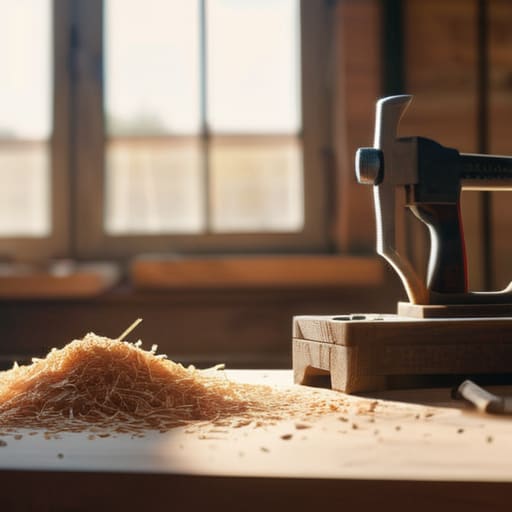
In my studio, I’ve learned that a sudden surge in orders can be just as destabilizing as a drought. When the phone won’t stop ringing, the instinct is to expand, to hire, to buy that new CNC router immediately. But I’ve learned to introduce a bit of intentional friction into that momentum. Instead of chasing every spike, I focus on optimizing operational expenses during the peak, treating that excess capital not as a windfall, but as a buffer.
It’s a discipline of restraint. I think of it like my letterpress work; if you apply too much pressure too quickly, you ruin the paper. Managing business revenue fluctuations requires that same steady, calibrated hand. I spend the high seasons quietly building an emergency fund for entrepreneurs, ensuring that when the inevitable lull arrives, it doesn’t feel like a crisis. It’s about creating a structural gap between what I earn and what I spend, allowing the quiet months to exist as a planned phase of the cycle rather than a frantic struggle for survival.
Low Season Business Strategies the Art of the Pivot
When the studio floor goes quiet, the instinct is to scramble—to chase any client, any contract, any scrap of momentum just to keep the lights on. I spent my early years in the industry doing exactly that, treating every dip in the order book as a personal failure. But there is a different way to look at these lulls. Instead of viewing a slow period as a void to be filled, I’ve started seeing it as a period for recalibration. This is where low season business strategies move from theory into actual practice. It’s not about frantic activity; it’s about shifting the energy from outward production to inward refinement.
I often find myself looking at my shelf of rejected prototypes—the ones with the handwritten notes taped to the base. In the quiet months, I use that time to revisit those “failures.” It’s a form of optimizing operational expenses by investing time rather than capital; I am refining my processes and my toolkit while the market is still. This isn’t just procrastination; it’s a deliberate pivot toward the work that usually gets crowded out by the rush of the high season.
Optimizing Operational Expenses to Protect Your Creative Core
In my studio, I have a drawer full of failed joinery—pieces where the tension was just slightly off, leading to a structural collapse. I look at my overheads much the same way. When the orders thin out, the instinct is to panic-buy or over-invest in new machinery to “jumpstart” the engine. But optimizing operational expenses isn’t about deprivation; it’s about stripping away the ornamental fluff that doesn’t serve the work. It’s the difference between a chair that is sturdy and one that is merely expensive.
I spent most of last year maintaining liquidity during slow periods by auditing every recurring subscription and material surplus. I realized I was paying for a high-grade timber delivery service I only used once a quarter. By tightening these small, leaky valves, I wasn’t just saving money; I was protecting the mental bandwidth required to actually design. When you stop hemorrhaging small amounts on the “just in case” items, you find you have much more breathing room to focus on the craft itself.
Maintaining Liquidity During Slow Periods via Disciplined Restraint
In my studio, I have a shelf of failed joints—mortise and tenon connections that were just a fraction of a millimeter off. They represent the cost of moving too fast. I find that managing business revenue fluctuations requires a similar, almost surgical, level of precision. When the orders thin out, the instinct is to chase every shiny new lead or invest in a piece of equipment that promises efficiency. But true discipline lies in the refusal to spend. I’ve learned that maintaining liquidity during slow periods isn’t about aggressive growth; it’s about the quiet strength of not overextending.
I think of it as building a buffer, much like how I approach a complex wood inlay. You don’t just start cutting; you prepare the material. For me, this means treating the act of building an emergency fund for entrepreneurs not as a secondary chore, but as a fundamental design constraint. It is the structural support that allows the rest of the business to breathe. By practicing this kind of fiscal restraint, I ensure that when the next season of high demand arrives, I am not just surviving, but actually ready to create.
Building an Emergency Fund for Entrepreneurs and Their Vision
I have a shelf in the back of my studio dedicated to what I call “the graveyard of good intentions.” It is filled with chair legs that were too spindly and joinery that looked beautiful on paper but failed under stress. In many ways, an emergency fund is the financial equivalent of those rejected prototypes; it is a structural necessity that feels like a waste of resources until the moment it saves the entire project. For those of us navigating the unpredictable rhythms of a creative practice, building an emergency fund for entrepreneurs isn’t about hoarding cash out of fear, but about creating a buffer that allows for better decision-making when the pressure mounts.
When you are constantly managing business revenue fluctuations, the temptation is to reinvest every spare cent into the next big tool or material run. But there is a profound, quiet power in having a reserve that exists solely to protect your autonomy. It ensures that when the slow months inevitably arrive, you aren’t making desperate, compromised design choices just to keep the lights on. A solid reserve is the ultimate constraint—it gives you the freedom to say no to the wrong work.
## The Margin of Error
We treat a slow month like a structural failure, a gap in the blueprint that needs to be filled immediately with noise or busywork, but I’ve learned that the most intentional designs require the space where nothing is happening—the silence between the joinery that actually holds the piece together.
Jonathan Marin
The Final Draft
Looking back at the mechanics of this month—the liquidity management, the expense optimization, and the strategic pivots—it becomes clear that planning for a quiet period isn’t about defense; it’s about intentional architecture. We’ve discussed how to protect the creative core from the friction of seasonal shifts and how to build a financial buffer that acts as a shock absorber for the soul. It is easy to view a slow month as a failure of momentum, but when we treat these gaps as deliberate design choices rather than accidental voids, we stop reacting to the market and start directing our own energy. We move from being victims of the ebb and flow to being the ones who decide exactly how deep the tide should go.
In my studio, my most prized possessions aren’t the polished chairs sitting in the showroom, but the scrap heaps of failed joinery and rejected wood grains. They remind me that the most vital part of any process is the path not taken. As you step into this quieter stretch, I hope you don’t just seek to survive the lull, but to find the quiet utility within it. Use this time to refine the edges of your vision and to honor the decisions that almost went the other way. After all, the strength of the structure is rarely found in the parts that are visible, but in the discipline of the restraint that holds everything together.
