Whether an Exhibition Pays
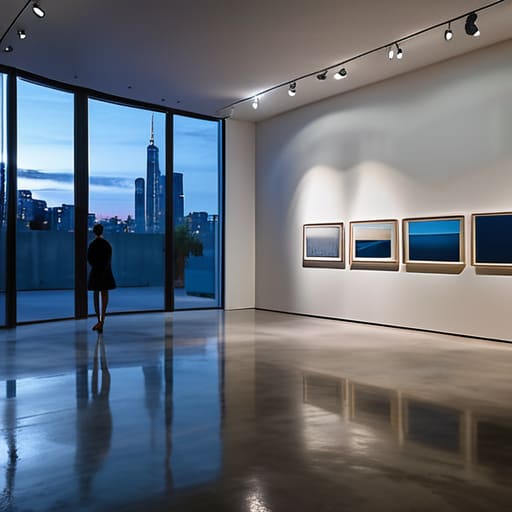
I was standing in a pristine, white-walled gallery last spring, staring at a series of perfectly polished chairs, and I felt absolutely nothing. The lighting was expensive, the curation was “correct,” and the presentation was so sterile it felt like a crime against the actual labor involved. We’ve been sold this lie that learning how to exhibit work means creating a vacuum where the object exists in a state of untouchable perfection. It’s a hollow way to present a life’s effort. When you strip away the context of the struggle, you aren’t showing the work; you’re just showing a corpse of the design process.
I’m not interested in helping you curate a museum of ghosts. Instead, I want to talk about how you can show the tension that actually lives inside your pieces. Over the next few sections, I’ll share what I’ve learned from two decades of moving prototypes from my studio to the public eye—not through the lens of marketing fluff, but through the lens of honest storytelling. We are going to look at how to display the decisions that almost went the other way, because that is where the real conversation begins.
The Beautiful Near Misses How to Exhibit Work With Intent
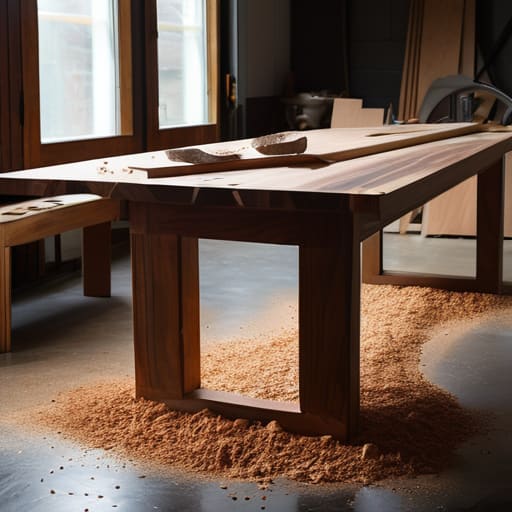
When I’m navigating the gallery submission process, I often find myself fighting the urge to present only the polished, final versions of my chairs or tables. There is a temptation to hide the struggle, to present a narrative of seamless perfection. But perfection is actually quite boring; it lacks the friction that makes a piece feel alive. I’ve started thinking about curating a solo show not as a victory lap, but as an autopsy of the creative process. I want people to see the prototype that failed because the joinery was too ambitious, or the slab of walnut that was rejected for a grain pattern that felt too loud.
If you want to exhibit with true intent, don’t just display the result; display the tension. I keep a shelf in my studio of these “beautiful near-misses”—the pieces that almost weren’t. When you’re setting up your space, consider placing a rejected sketch or a failed joint right next to the finished object. It tells the viewer that the final form wasn’t an accident, but a deliberate choice made against a dozen other possibilities.
The Tension of Selection Curating a Solo Show
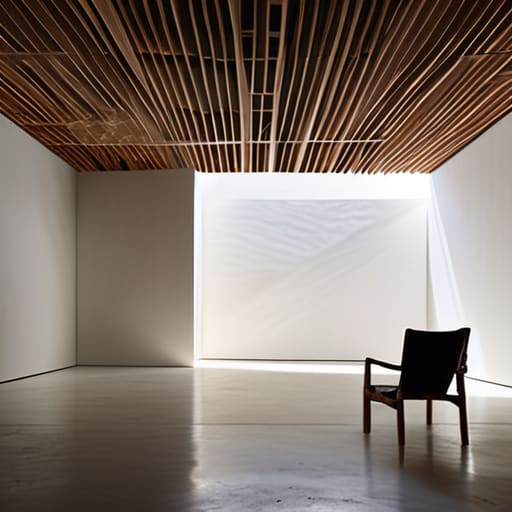
There is a specific, quiet violence in the act of curating a solo show. When you’ve spent months—or years—nurturing a body of work, the transition from maker to curator feels less like an evolution and more like an amputation. You start by looking at your pieces not as triumphs of craft, but as arguments. You ask: Does this chair belong next to that table, or does their proximity dilute the very tension that makes them work? It’s a heavy realization that a successful exhibition isn’t just a collection of your best moments; it is a carefully managed sequence of absences.
The struggle often hits hardest during the formal gallery submission process. You find yourself staring at your portfolio, trying to decide if you should present the polished perfection of a finished product or the grit of the process. I’ve learned that the most compelling shows are the ones that embrace the friction. If you only show the “correct” decisions, the room feels sterile, like a showroom rather than a space for discovery. You have to be brave enough to let the viewer see the intentionality of the struggle.
The Almost Included Mastering Artist Exhibition Preparation

My studio floor is a graveyard of “almosts.” There is a chair leg, carved from walnut, that sits in a corner because the taper was a fraction too aggressive; it’s technically perfect, but it lacks the soul of the piece it eventually became. During the most grueling stages of artist exhibition preparation, I find myself mentally sorting through these ghosts. We tend to view the selection process as a hunt for perfection, but true mastery lies in recognizing the boundary between a mistake and a pivot.
When you are navigating the gallery submission process, the temptation is to present a sanitized, flawless version of your practice. You want to show the polished surface, the seamless joinery, the finality of it all. But there is a profound strength in acknowledging the tension of the struggle. I’ve learned that the most compelling way to present a body of work isn’t by hiding the discarded iterations, but by ensuring the pieces you do choose carry the weight of those avoided errors. It’s about selecting the objects that represent the most difficult, hard-won decisions.
Navigating the Rejection the Gallery Submission Process
There is a specific kind of silence that follows a “no” from a gallery director. It’s not the dramatic silence of a workshop after a saw stops, but a quiet, bureaucratic thud. I’ve spent two decades learning that the gallery submission process is rarely a reflection of the work’s inherent value, and more often a question of fit, timing, or even the specific shade of walnut I chose for a chair. When you’re navigating these waters, it’s easy to start viewing your portfolio as a list of failures rather than a collection of resolved decisions.
The trick is to treat your application like a prototype. You don’t send the raw, unrefined idea; you send the version that has survived the most scrutiny. When I’m refining my portfolio presentation tips for a submission, I focus on the narrative of the object. I want them to see not just the finished piece, but the logic that holds it together. A rejection isn’t a sign to change your aesthetic; it’s usually just a signal that you haven’t yet found the right room for your specific brand of constraint and character.
Refining the Vision Essential Portfolio Presentation Tips
When I’m looking through a digital file or a printed book, I’m not just looking for the “best” shot; I’m looking for the narrative arc. Most people approach portfolio presentation tips as a checklist of high-resolution images, but that’s a mistake. A portfolio shouldn’t just be a catalog of successes; it needs to show the logic of your evolution. If every piece looks like it came from the same effortless moment, the viewer loses interest. They want to see the friction—the way you solved a problem that nearly broke the project.
This is where the real work of artist exhibition preparation meets the reality of the screen. I’ve learned that the way you frame a single image can be just as decisive as the way you hang a chair in a room. You have to decide if you are presenting a finished product or a process of thought. I often find myself including a single, tight detail shot—the grain of a joint or a slight imperfection in a print—to ground the work. It’s about proving that the object exists in a world of constraints, not just in a vacuum of perfection.
The Weight of Space Finding Exhibition Spaces
I’ve spent enough time in drafty warehouses and sterile white cubes to know that a room is never just a room; it is a collaborator, often an uncooperative one. When you begin the tedious work of finding exhibition spaces, you aren’t just looking for four walls and a floor. You are looking for the way light hits a grain pattern at 4:00 PM, or how a heavy oak table might feel suffocated by a ceiling that’s too low. A space can either validate the tension in your work or completely flatten it.
I once spent three months preparing for a show, only to realize the venue’s lighting turned my dark walnut finishes into something that looked like mud. It was a failure of spatial awareness, not design. Whether you are navigating the complexities of art fair logistics or scouting a local pop-up, you have to respect the volume of the air around your objects. Don’t just fit your pieces into a room; let the room dictate how the pieces breathe. If the scale is off, the most meticulous craftsmanship in the world won’t save the conversation.
The Chaos of Success Managing Art Fair Logistics
There is a particular kind of vertigo that sets in when you realize your work is actually moving. In the studio, a chair is a series of joinery problems and timber selections; at an art fair, it becomes a frantic exercise in inventory management and physical endurance. I’ve learned the hard way that the transition from the quiet solitude of design to the high-velocity environment of a trade show is rarely graceful. You can spend months on the meticulous details of your artist exhibition preparation, only to find yourself staring at a broken crate or a missing mounting bracket ten minutes before the doors open.
Success in this arena isn’t just about the aesthetic; it’s about the grit of art fair logistics. It’s the sudden, jarring realization that you need more than just a beautiful display—you need a system for everything from price tags to the inevitable coffee spill. I used to think my job ended once the piece was finished, but I was wrong. The real work begins when you have to move that piece through a loading dock, navigate the chaos of a crowded hall, and maintain your composure when the logistics threaten to overshadow the craft itself.
The Ghost in the Gallery
When you hang a piece, don’t just display the object; display the restraint it took to get there. A gallery shouldn’t just be a showroom for your successes, but a quiet testament to every version of that piece that died so the final one could live.
Jonathan Marin
The Final Assembly
Looking back through the logistics—from the granular terror of the gallery submission to the sheer, unadulterated chaos of an art fair—it becomes clear that exhibiting is never just about the objects themselves. It is an exercise in curation, a constant negotiation between the work you’ve made and the space you’ve been given. We’ve talked about the tension of selection and the necessity of a refined portfolio, but the real thread connecting these stages is the intention behind them. Whether you are navigating a solo show or a crowded fair, you aren’t just displaying products; you are communicating the logic of your practice. You are showing the world not just what you made, but why you chose to stop making everything else.
As you move toward your next exhibition, I hope you don’t feel the need to present a seamless, polished lie. The perfection of a finished piece is often the least interesting thing about it. Instead, find the courage to let the viewer see the ghost of the alternative. Let the exhibition be a testament to the hard choices, the rejected prototypes, and the near-misses that defined the final result. In the end, a successful exhibition isn’t one where everything went perfectly according to plan, but one where the decisions that nearly went the other way are felt in every shadow and every joint.
